
Hard flooring runs from click-fit laminate you can lay in a weekend to stone that needs resealing for life and costs more than almost anything else on this list.
What settles the choice is whether you own the house long enough to refinish solid wood, or rent and need something like laminate you can take with you when the lease ends.
The gap between cheap and mid-grade laminate is only a dollar per square foot, but that dollar buys you boards thick enough to feel like wood instead of fiberboard.
1. Solid Wood Flooring

Wide planks of oak, maple, or walnut run the full thickness of the board, usually 18 to 20 mm.
That solid core means you can sand and refinish the surface five or six times across decades of use, which is the main reason anyone pays the premium.
Solid wood shrinks and swells with humidity, so gaps in winter and cupping in summer come with the material.
Humidity swells the boards, dry air shrinks them, and you will see gaps in winter if you live anywhere with real seasons. Engineered wood handles that better, but it cannot be refinished as many times.
For a forever house in a stable climate, solid wood still wins.
I’d put this in a hallway or living room where the planks get seen, not a basement where moisture collects.

This listing is for 2 pieces of wood floor samples 8"

Used Book in Good Condition
2. Laminate Flooring
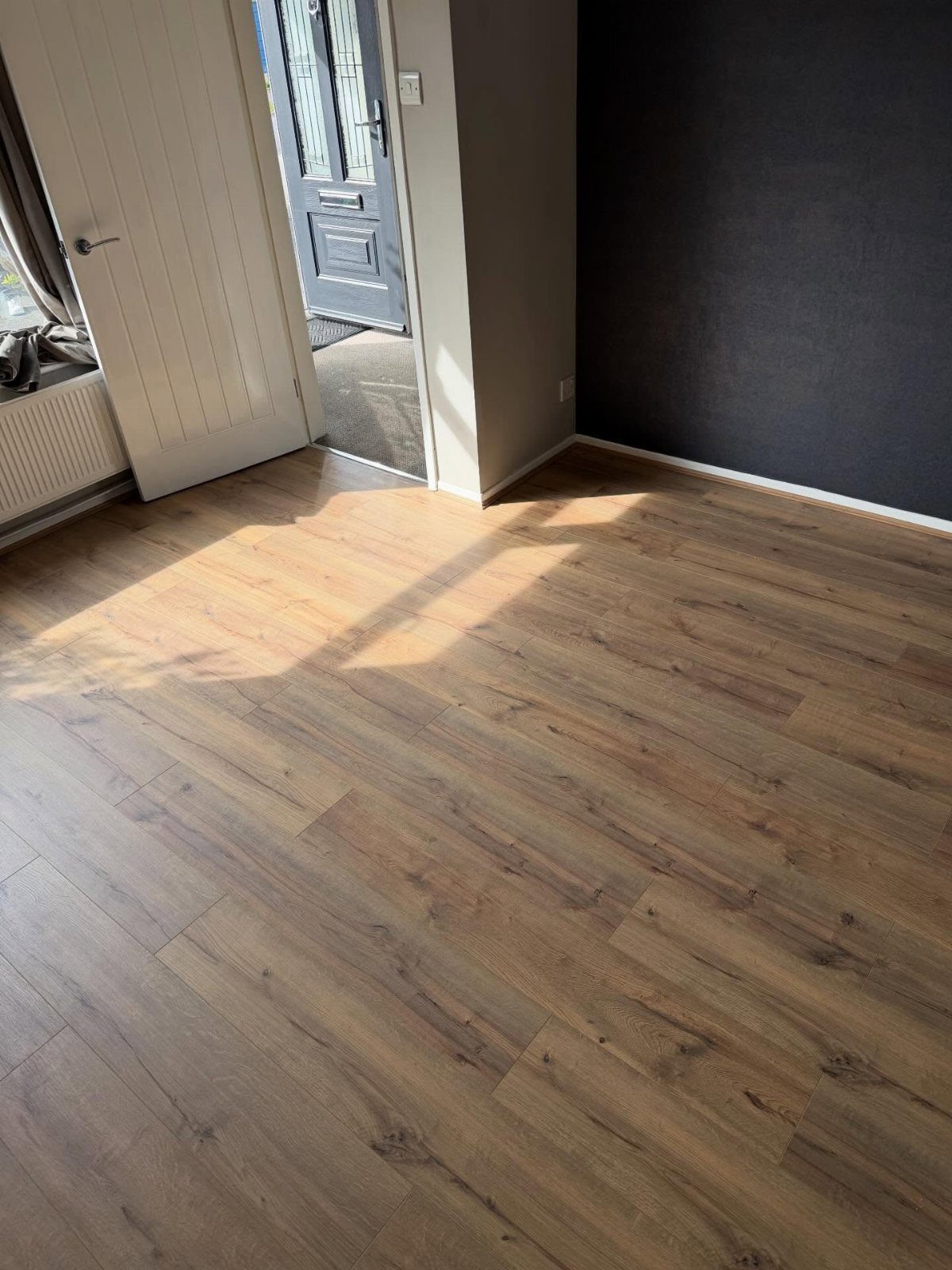
A photograph of wood gets glued to fiberboard, then sealed under a transparent wear layer of aluminum oxide.
Modern printing and textured finishes have closed the gap with real wood enough that I have paused in friends’ houses to check whether the floor is laminate.
Click-fit systems make this a genuine weekend project. No nails, no glue, just a mallet and patience.
The boards are typically a quarter-inch thick and lock together as a floating floor.
A thin wear layer on cheap laminate means you can’t sand out a deep scratch. Once it goes, the whole board goes; there is no sanding back to fresh grain.
Spending a dollar more per square foot often gets you thicker boards and a deeper texture that catches light like real wood. Skip the bottom tier.

REALISTIC WOOD LOOK: Featuring luxury wood-grain texture, micro-bevel edges, and HD film prints, these luxury vinyl planks perfectly replicate real hardwood floors with a fraction of cost of wood flooring.

【Ultra-Durable & Pet-Friendly】With a 0.3mm wear layer tested over 15,000 abrasion cycles, this luxury vinyl plank flooring resists scratches, dents, and spills. Ideal for busy homes with pets and kids, it stays beautiful for years even in high-traffic areas.

【Ultra-Durable & Pet-Friendly】With a 0.3mm wear layer tested over 15,000 abrasion cycles, this luxury vinyl plank flooring resists scratches, dents, and spills. Ideal for busy homes with pets and kids, it stays beautiful for years even in high-traffic areas.
3. Concrete Flooring

An overlay on plywood or an existing subfloor works if the surface is flat and stable. I have seen porcelain so convincing I touched it to be sure.
In a loft or open-plan kitchen, a single continuous surface keeps the eye from jumping around.
The real material is easier to clean than almost anything, but the tile version is warmer underfoot and can go straight over an existing concrete subfloor.
Add wood furniture or woven textiles to keep the room from feeling like a garage.
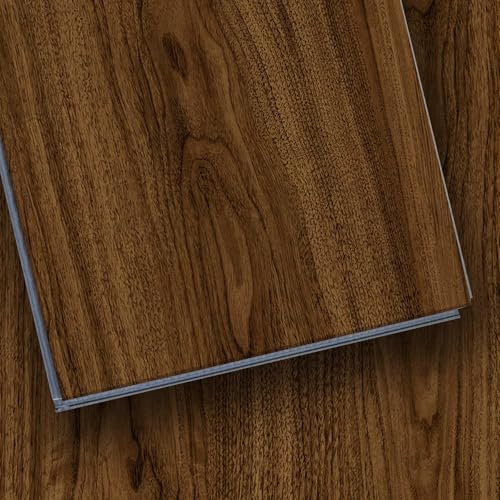
【Ultra-Durable & Pet-Friendly】With a 0.3mm wear layer tested over 15,000 abrasion cycles, this luxury vinyl plank flooring resists scratches, dents, and spills. Ideal for busy homes with pets and kids, it stays beautiful for years even in high-traffic areas.

【Compatibility Test Required】Before using the tool, confirm your floor is a floating floor (not nailed or glued down). This tool is specifically designed for floating floors and works best on them.

【Ultra-Durable & Pet-Friendly】With a 0.3mm wear layer tested over 15,000 abrasion cycles, this luxury vinyl plank flooring resists scratches, dents, and spills. Ideal for busy homes with pets and kids, it stays beautiful for years even in high-traffic areas.
4. Cork Flooring

I notice the hush immediately in cork rooms.
Tiles or planks click together or glue down. Thickness ranges from 5/32 inch for glue-down to 11 mm for floating floors.
The material insulates against sound and temperature, which matters in upstairs rooms or thin-walled apartments.
Modern finishes can resemble wood or stone, though I prefer cork left looking like itself. Dog nails and high heels will mark it; this is a floor for slippers and bare feet.

PROFESSIONAL WOOD FLOOR RESTORER: Restores wood floors, leaving them with a beautiful glossy finish

PROFESSIONAL WOOD FLOOR RESTORER: Restores wood floors, leaving them with a long-lasting matte satin finish

5. Porcelain Flooring

Porcelain starts with finer clay and gets fired hotter than standard ceramic, which is why it is denser and barely absorbs water.
Water beads on the surface instead of soaking in, which is why this is the tile I would use in a bathroom, a kitchen, or anywhere with a concrete slab prone to damp.
Glazed and unglazed versions come in matte, polished, or textured finishes. Stone-effect printing has become precise enough that the cost and maintenance of real marble no longer make sense for most households.
Underfloor heating pairs well with porcelain; the mass holds and releases heat evenly. Check that your chosen tile is rated for the system you plan.

Universal Sizing: No heel restrictions,There are multiple holes on the bottom plate, fits all foot sizes and shoe types, adjustable for comfort.Extended straps, suitable for safety shoes

Epoxy Spike Shoes: In self-flowing flat paint construction, wearing epoxy resin nail shoes will prevent tracks and ensure your design remains intact. Epoxy nail shoes are essential for self-leveling, epoxy flooring, and overlay construction.

Note: Please Check Your Shoes Size Before Purchasing
6. Stone Flooring
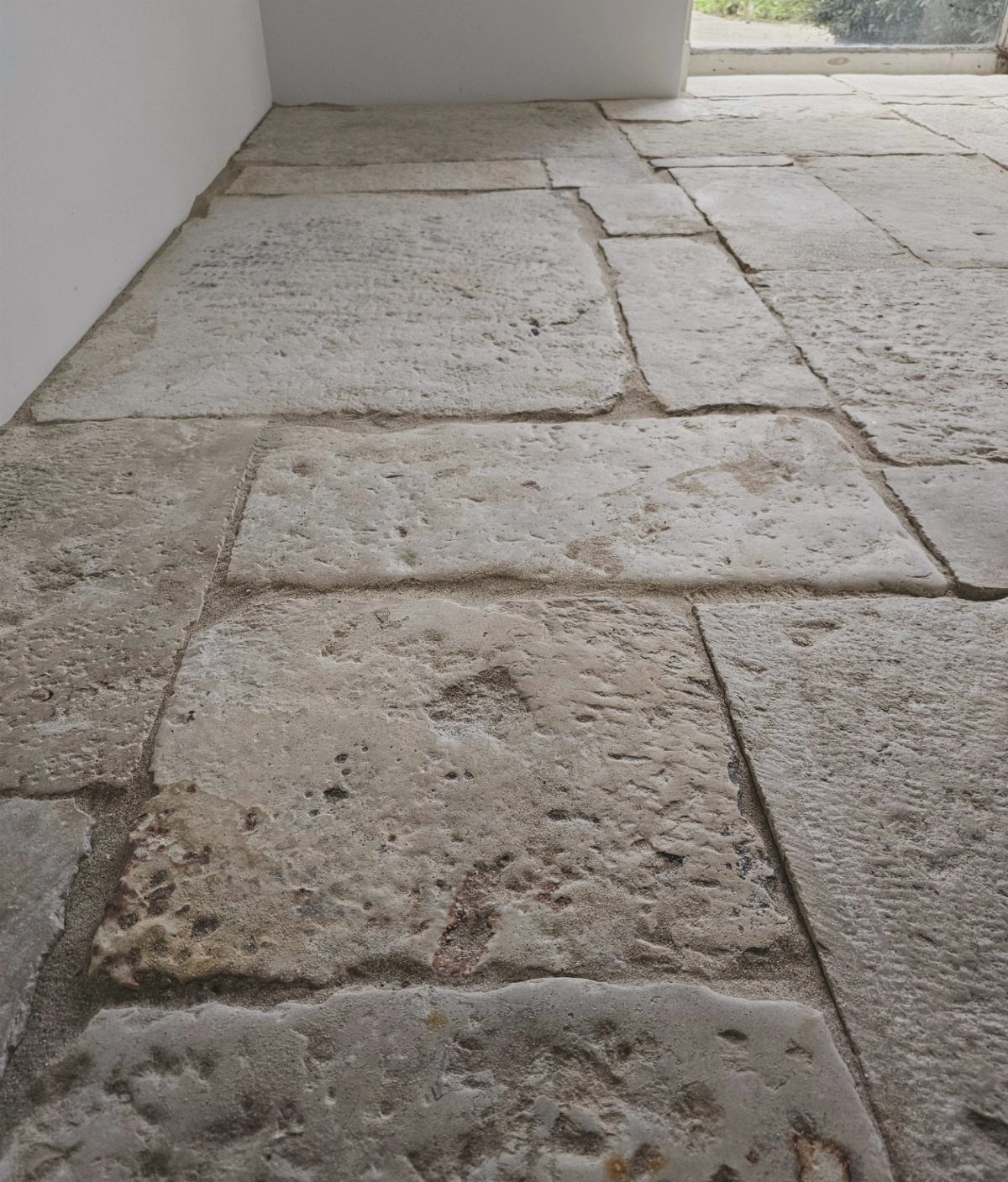
Granite, marble, limestone, slate, and travertine each carry different hardness, porosity, and maintenance demands.
Every stone floor needs sealing to block stains and moisture. The frequency depends on the stone and the sealer, but plan on reapplication more often in a kitchen, less often in a dry hallway.
Polishing changes the look entirely, from honed matte to high gloss.
I would use stone where its weight and permanence feel right: an entryway that takes wet boots, a sunroom that connects to a patio. The cost runs higher than almost any alternative, and the cold underfoot in winter is real.

Superior stability and resistance: Jeedeson solid carbonized strand woven bamboo flooring is crafted using the carbonization and high-pressure method, ensuring superior stability and enhanced resistance against corrosion

Nexus Wood Look Floor Planks: Transform your floor for a low cost and no hassle with the Nexus Vinyl Floor Planks. Our planks can be used in any room in your home from the foyer to the bathroom. No messy glue or adhesives needed. Includes 10 vinyl planks.

Realistic Wood Look: Get the authentic look of real wood with grain texture. These floor planks blend seamlessly into any decor style, adding a touch of timeless elegance to your home.
7. Dark Stains Hard Flooring
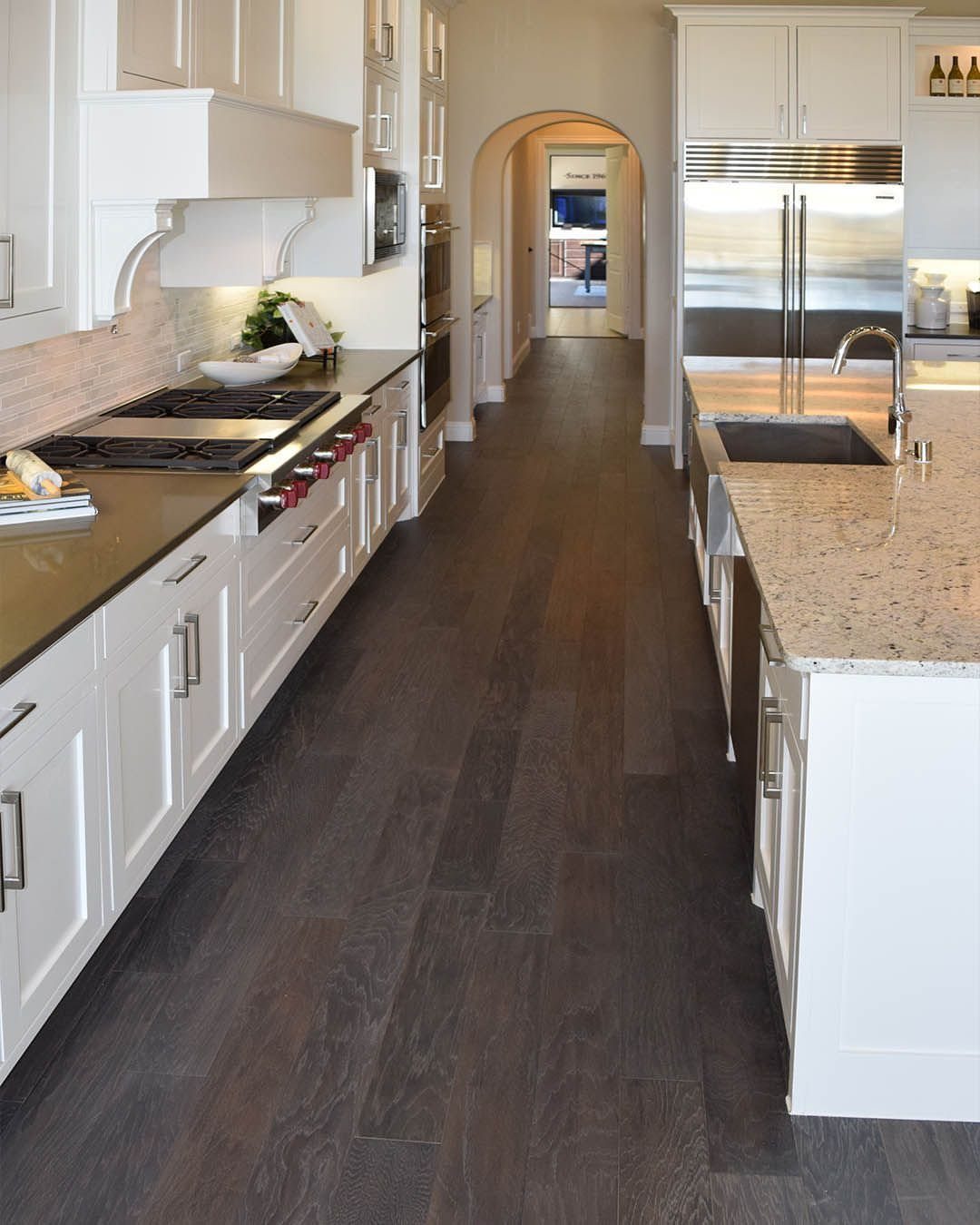
Dark stain turns ordinary oak into something that reads as intentional and expensive. A dark-stained floor holds its own against white cabinets and granite when the walls stay light; the contrast does the work.
Penetrating stains sink into the grain before any protective coat goes on, so you can dial the depth up or down. Two coats gets you near-black, one keeps it chocolate.
Either way, the grain still shows through.
This floors wants lighter furniture and walls. In a room already full of dark built-ins or navy paint, it will swallow the light.
Best for someone starting fresh or ready to repaint.
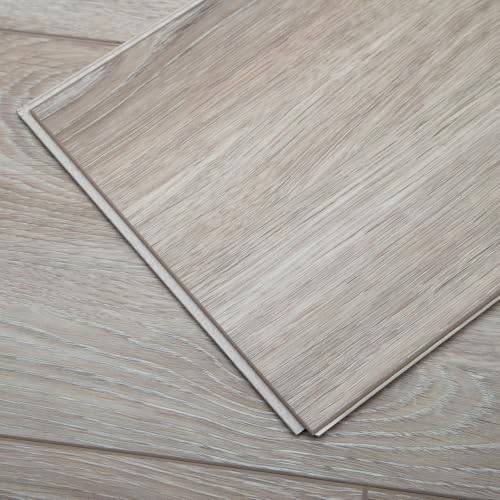
【SPC Material】Rigid stone-plastic composite core; 100% Waterproof, resists dents and impacts; Won't expand or contract with temperature changes.

Why Choose a Floating Floor? ✅ Unlike traditional flooring, our click-lock planks snap together effortlessly—no messy adhesives or nails needed. Perfect for DIYers & quick installations.

5mm thickness (4mm rigid core + 1mm pad) x 7.1 in. width x 48 in. length. High wear layer vinyl plank flooring. 10 planks per case. 23.64 sq. ft. per case.
8. Matte Oiled Hardwood Floor

Oil-finished hardwood sits right between glossy and dead-flat, that almost-matte glow that catches window light without bouncing it back at you.
The real advantage is repairability. When the finish wears thin near the sink or the dog’s path, you touch up that patch with more oil rather than sanding the whole room back to bare wood.
It takes longer between coats to dry, so plan for a long weekend with the windows open.
Busy households with kids or heavy traffic fit this best. Someone who wants zero maintenance and a factory-sealed look should stay with polyurethane instead.

Tips:Due to the different screen materials of different devices, the color of the product you see and the actual product may be inaccurate. Color appearance may vary due to screen calibration, lighting conditions. Please refer to the actual product

🏠Upgrade thickness: Size 12x12 inch included 4 tiles,thickness is 0.06in/tile (1.5mm), made of vinyl, solid matte white peel and stick floor tile waterproof, renter friendly, groutable, non slip, no special tools needed.

Efficient Floor Gap Fixer Kit The Sakerplus complete floor gap fixer kit includes 1 high-performance suction cup tool and 1 sturdy rubber mallet. Designed specifically for floating flooring repair, this laminate floor repair tool allows you to easily close unsightly gaps without dismantling your baseboards, saving you time and money on professional repairs.
9. Hand-Scraped Floors

Hand-scraped floors carry the slight unevenness of a board that was planed by a drawknife, not a machine. The texture catches shadow across an empty room, so the floor reads as older than it is.
This is not a distressed factory finish that repeats the same pattern across the whole floor. Real hand-scraping varies plank to plank, and you pay for that labor.
Laminate versions exist now, though they flatten underfoot where the real thing keeps its ridges.
The look suits rustic or transitional rooms best. In a space full of clean-lined furniture, the floor can feel like costume.
Someone committed to the idea should budget for the real material or skip it entirely; the middle option disappoints.

Safe, non-flammable water-based formula

1 MILLION HAPPY CUSTOMERS: Trusted worldwide, our repair kits have helped over a million people restore their favorite items to their original condition.
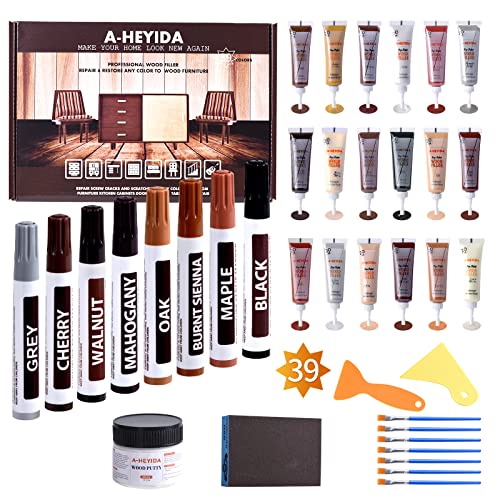
COMPLETE 39-PIECE REPAIR SYSTEM: Includes 18 wood fillers, 8 touch-up markers, 7 brushes, 2 scrapers, 1 wood putty, 1 sandpaper, 1 pair of gloves, and 1 color chart — everything needed for professional-grade wood restoration in one kit. Ideal for homeowners, renters, and DIY enthusiasts restoring floors, cabinets, tables, and doors without hiring a professional
10. Black Walnut Floors
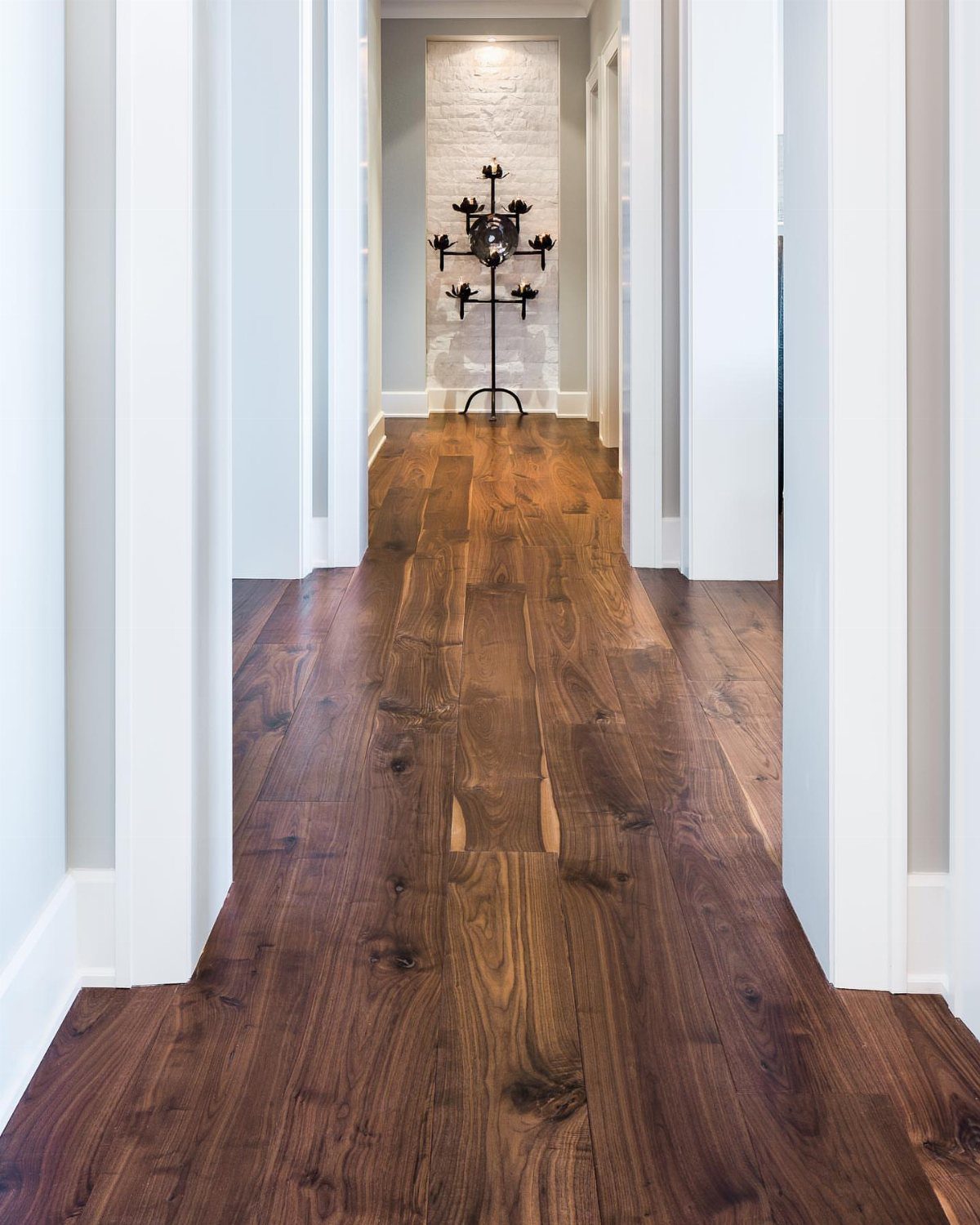
Black walnut carries its own color, a warm medium-to-dark brown that needs no stain to read as rich.
Black walnut grain runs figured and knotty in traditional grade, cleaner and more formal in premium; the hallway shows the traditional character against white trim.
An oil finish preserves that natural variation rather than burying it under amber polyurethane. You can stain walnut like any other wood, but the ones that look best let the species speak for itself.
This is not a budget choice. Walnut planks cost more than oak, and the supply is narrower.
Someone set on the look but constrained on price might hunt reclaimed sources or accept a narrower plank width. The color endures, though; this floor does not trend.

50-Pack Supply for Continuous Workflow: Package includes 50 plastic self-leveling pins (100 mm / 3.93"), designed for use when pouring, screeding, and spot-leveling concrete slabs or subfloors. The 50-count bulk pack helps you mark multiple reference points at once and reduces mid-job refills on larger pours.
Epoxy Spike Shoes: In self-flowing flat paint construction, wearing epoxy resin nail shoes will prevent tracks and ensure your design remains intact. Epoxy nail shoes are essential for self-leveling, epoxy flooring, and overlay construction.
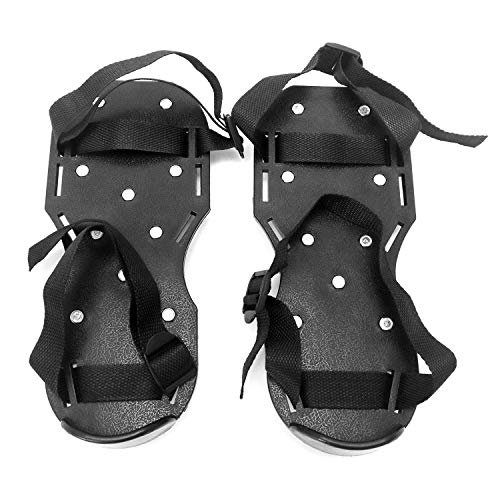
Standard: Unisex size, flexible use, easy to wear for men and women. length: 12"; width: 5".
11. Smoky Gray Floors

Gray-stained wood hit hard years ago and has stayed, which matters when you are picking something meant to last decades.
The tone reads as neutral without the yellow cast that oak develops under traditional stain, and it pairs with warm or cool furniture without fighting.
The undertone is the thing to watch. Some grays run warm, almost greige; others lean blue or green.
The wrong undertone against your existing sofa will look like a mistake, not a choice. Sample boards against your actual walls, not the store’s fluorescent lights.
This suits someone who wants flexibility. A gray floor does not dictate wall color the way red oak does, and it softens the jump if you change accent colors year to year.
Choosing the Right Flooring
Board width changes how a floor behaves, not just how it looks. Wider planks open a room visually but move more with humidity; narrower strips stay flatter over time.
Oak and hickory hold up against dents in busy hallways and kitchens where softer woods would show every shoe scuff and dropped pan.
Your subfloor decides the installation method. Plywood handles nail-down, glue-down, or floating floors.
Concrete slabs rule out nails entirely; floating or glue-down becomes your option. Engineered flooring works better over radiant heat because the thinner profile transfers warmth and the layered construction resists the gapping solid wood develops.
Luxury vinyl and porcelain bring water resistance that natural wood cannot match. If sustainability matters, recycled composite or linoleum cut the environmental cost without looking temporary.
Maintenance Tips for Hard Flooring
Sweep, dry-mop, or vacuum regularly. Runners and doormats at entries catch grit before it scratches.
Water is the enemy, even on sealed floors. Too much moisture degrades the finish; steam cleaners do the same damage faster.
Skip harsh cleaners that strip the protective layer.
Polish two to four times yearly. Solid wood needs refinishing every seven to ten years depending on traffic.
Hard flooring wins for allergies and pet hair since nothing embeds. It runs cooler in summer, which matters in rooms with afternoon sun.
The wipe-clean surface saves time against carpet, though stone and porcelain stay cold underfoot in winter.
Cost Considerations
Hardwood materials alone start around $4 a square foot and climb to $15 for the premium grades.
Laminate and vinyl sit lower on the scale. Laminate costs less upfront and installs without professionals; click-fit systems need only a mallet and a free weekend.
Luxury vinyl runs higher than laminate but still under most hardwoods, trading some eco-friendliness for water resistance.
End-of-line stock from discontinued ranges drops the price without cutting quality. Clearance sections online and in-store carry the same boards at steeper discounts.
Doing the install yourself is where the biggest cut in total cost comes from.
Some prefinished solid-wood and engineered wood floors may be appropriate projects for experienced do-it-yourself (DIY) enthusiasts, but if you plan to hire a pro installer, the total hardwood flooring cost is typically between $6 and $25 per square foot.
Installation Methods
Plywood subfloors give the most flexibility.
When you already have wood floors in the next room, a thinner new board with a hard factory finish keeps the threshold from becoming a trip hazard.
Concrete slabs or existing tile remove nailing from the table. Floating floors or glue-down installation become your paths.
Radiant floor systems want engineered wood for its stability and thinner profile against solid planks.
The tools are minimal; the time cost is a weekend or two. Professional installation adds labor that can double or triple the material price, so weighing your own patience against that cost matters early in the decision.
Frequently Asked Questions
What kind of hard flooring is best?
That depends on the room and how you live in it. Solid wood lasts decades and can be refinished five or six times, but it swells and shrinks with humidity.
Porcelain handles moisture and works with underfloor heating, while cork quiets an upstairs room.
I’d match the material to the spot: wood for a dry living room, porcelain for a kitchen or bath, laminate for a fast weekend install on a tight budget.
What is the newest trend in hardwood floors?
Matte oiled finishes and smoky gray stains have both held.
A satin oil finish lands right in the middle, picking up daylight from the windows without throwing it back at you, and scuffs can be spot-fixed without dragging out the sander for the entire room.
Gray sidesteps the yellowing that oak tends to pick up under older stains, and it does not fight with either warm or cool tones in the rest of the room.
Bring sample boards home and look at them against your real walls; the store lights will lie to you about the undertone.
What is the prettiest hardwood floor?
Black walnut has its own built-in warmth, deep enough that it does not need staining to look expensive, and the grain runs figured in traditional grade or almost straight in premium.
If the budget will not stretch, reclaimed yards sometimes turn it up, or a narrower plank can get you close to the same look for less.