
The options ahead run from a weekend refinish you do yourself to herringbone laid by a specialist charging for every angled cut.
Solid oak that can be sanded again and again only pays off if you are staying long enough to need that option, which is worth weighing against the other choices ahead.
1. Sanded and Refinished Natural Wood Flooring

A floor you can sand down and start over has a life most surfaces never get. I have watched scratched, sun-bleached boards come back after a full refinish, the grain opening up like it was laid last week.
Thickness matters: each sanding removes material, so engineered planks with thin wear layers may only allow it once, if ever. Solid oak or thick-engineered stock gives you more turns around the floor.
Check the remaining wear layer before you buy, and budget for the disruption; the room empties completely, and the finish needs days to cure.
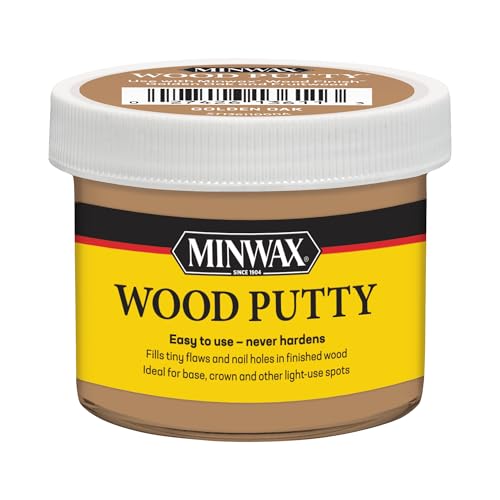
WOOD PUTTY – Minwax Wood Putty is a non-hardening, pre-mixed putty color-matched to Minwax Wood Finish stains and intended to repair minor scratches, gouges, and nail holes.
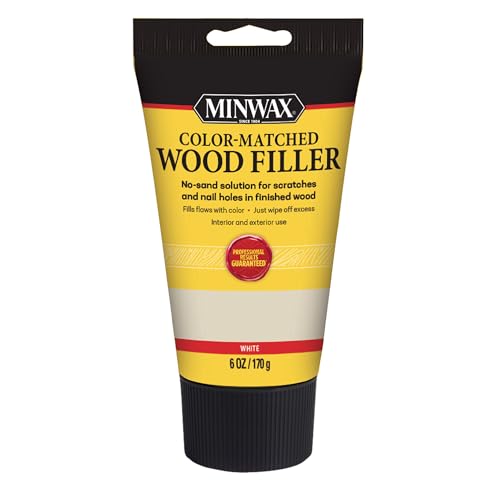
PROFESSIONAL WOOD FILLER – Minwax Color-Matched Wood Filler is a high-quality, no-sand solution for defects in finished wood.

✅ HOLDS LIKE IT’S PART OF THE WOOD: Fills nail holes, cracks, chips, dents, broken corners, and chipped wood edges, then cures rock hard. SGS-tested to 9,325 PSI compressive strength, harder than most structural lumber. Built for wood repairs that need to hold shape without shrinking, sinking, cracking, or pulling away.
2. Solid Wood Flooring

Solid oak still carries the warmth that made it the default for generations. Engineered construction matches the look with a hardwood veneer over a stable core, and I would reach for it anywhere the subfloor moves or moisture fluctuates.
The two read identical once installed, so the choice turns on where you live and how long you plan to stay. Natural oak leans golden, walnut runs deeper; both gain character as they age rather than looking tired.
Either way, buy enough extra for future repairs, a box sealed in a closet against the day a plank cracks or stains.
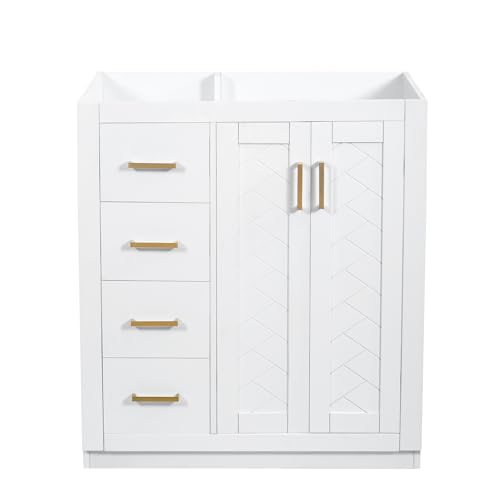
[Independent Bathroom Vanity] The unique pattern of the bathroom cabinet has extraordinary visual enjoyment under the illumination of the bathroom lamp. Sophisticated looks combined with functional construction will grace your bathroom.

[30 Inch Dark Blue Vanity ] The surface of the ceramic undercounter basin is smooth, easy to care for and not fragile. At the same time, you can prepare a 4'' center faucet to match the basin well.

[30 Inch Blue Vanity] The surface of the ceramic undercounter basin is smooth, easy to care for and not fragile. At the same time, you can prepare a 4'' center faucet to match the basin well.
3. Neutral Colors
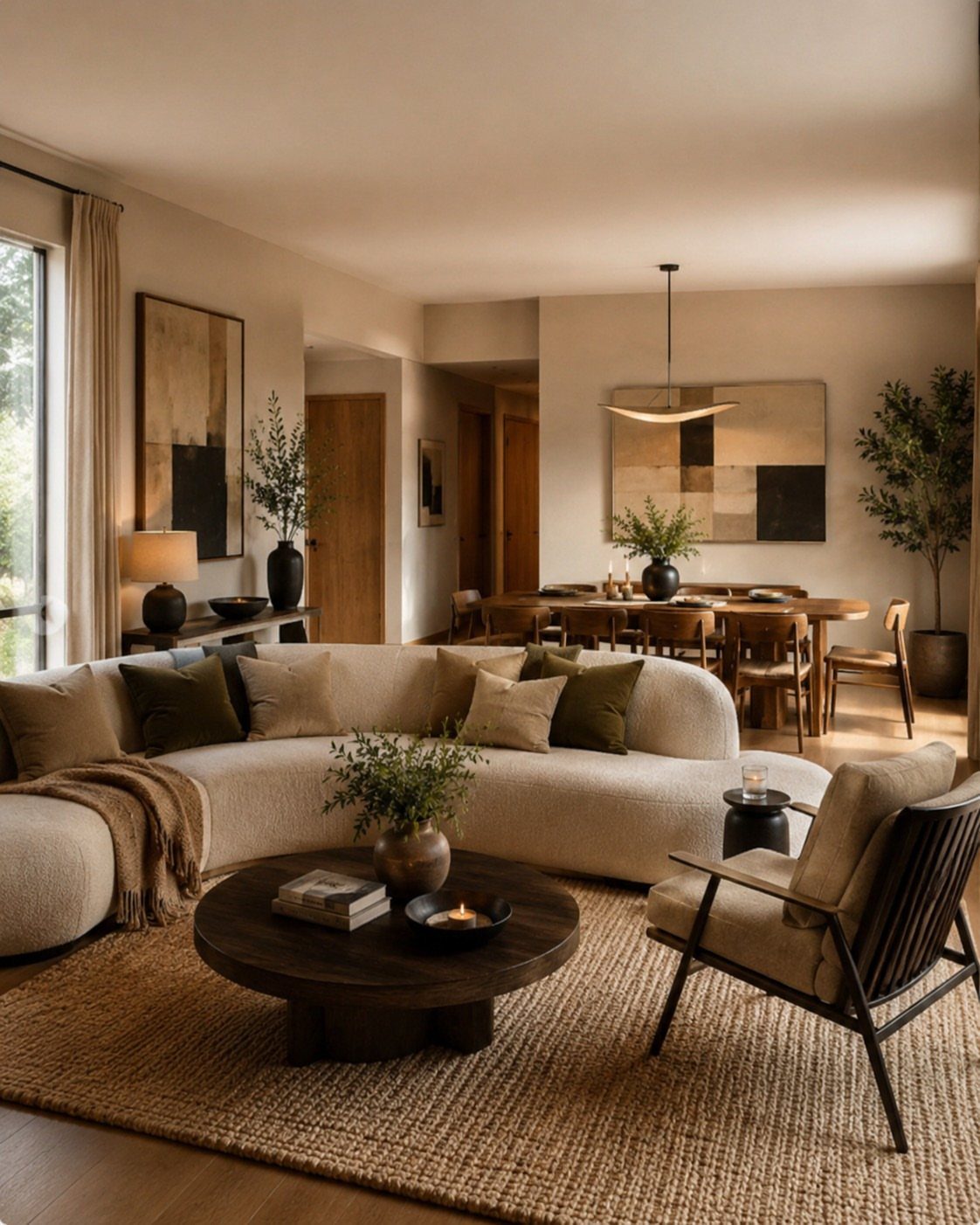
Neutral floors let you repaint walls or swap sofas without fighting the ground you walk on. Pale Scandinavian tones keep a small room feeling open, while mid-tone honey or soft chestnut adds warmth without pinning you to one style era.
I have seen espresso and near-black work beautifully in traditional spaces, though they show dust and demand more sweeping.
The practical move is sampling boards against your actual light, morning and evening, before committing; a tone that reads cozy at noon can flatten to mud under evening lamps.
Your existing trim color matters more than the sample wall in the store.

🏠DETAILS: 15.8x78.8 Inch, total 8.65 sq.ft (40cmX2m) Made of durable thin vinyl, thickness: 0.015 In (0.4MM). Peel and stick wood planks vinyl flooring roll, brown shiplap planks color. Waterproof. Removable.

This listing is for 2 pieces of wood floor samples 8"

𝐍𝐎𝐓𝐄: Since the length of the peel and stick wood planks for walls is 36Inch (91.44cm), we ship them on a roll to avoid damages. But this bending during shipping will not affect the installation, or you can kindly place heavy objects on the peel and stick floor tile wood look for two hours before installation.
4. Wide Planks
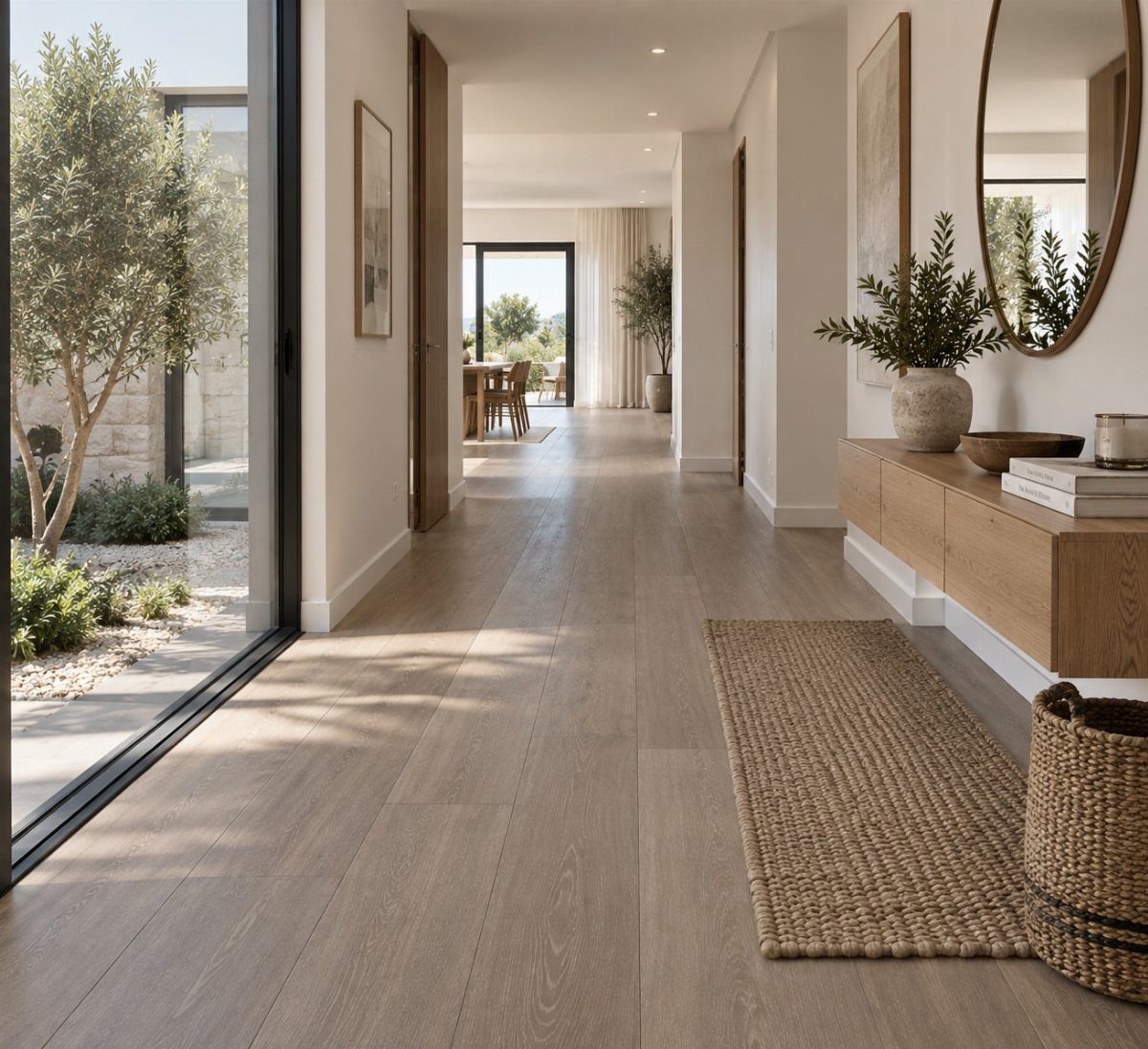
Wide planks stretch a room visually, fewer seams breaking up the floor plane so the eye travels farther. Running wide planks straight toward glass makes the wood feel like it continues outside.
I would watch the scale against your space; boards too broad in a compact room can feel like a deck misplaced indoors. Classic tones keep the look from tipping too modern, which matters if you sell.
Order samples in your exact plank width, not the standard strip, since proportion changes everything you think you know about the color.
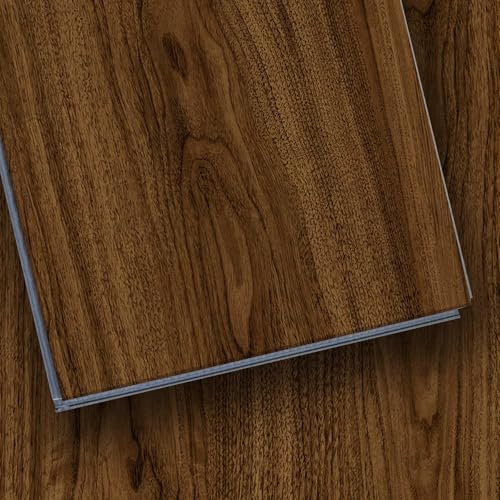
【Ultra-Durable & Pet-Friendly】With a 0.3mm wear layer tested over 15,000 abrasion cycles, this luxury vinyl plank flooring resists scratches, dents, and spills. Ideal for busy homes with pets and kids, it stays beautiful for years even in high-traffic areas.

---𝐔.𝐒. 𝐈𝐧𝐯𝐞𝐧𝐭𝐢𝐨𝐧 𝐏𝐚𝐭𝐞𝐧𝐭--- U.S. patent has been applied for the floor gap repair tool and the method of using the tool in combination with the sticky pad.

WET AND DRY CLEANING: Use dry mode to trap dust, pet hair, and debris in one pass; switch to wet mode safe for streak‑free mopping on all hard floors
5. Timeless Wood Colors
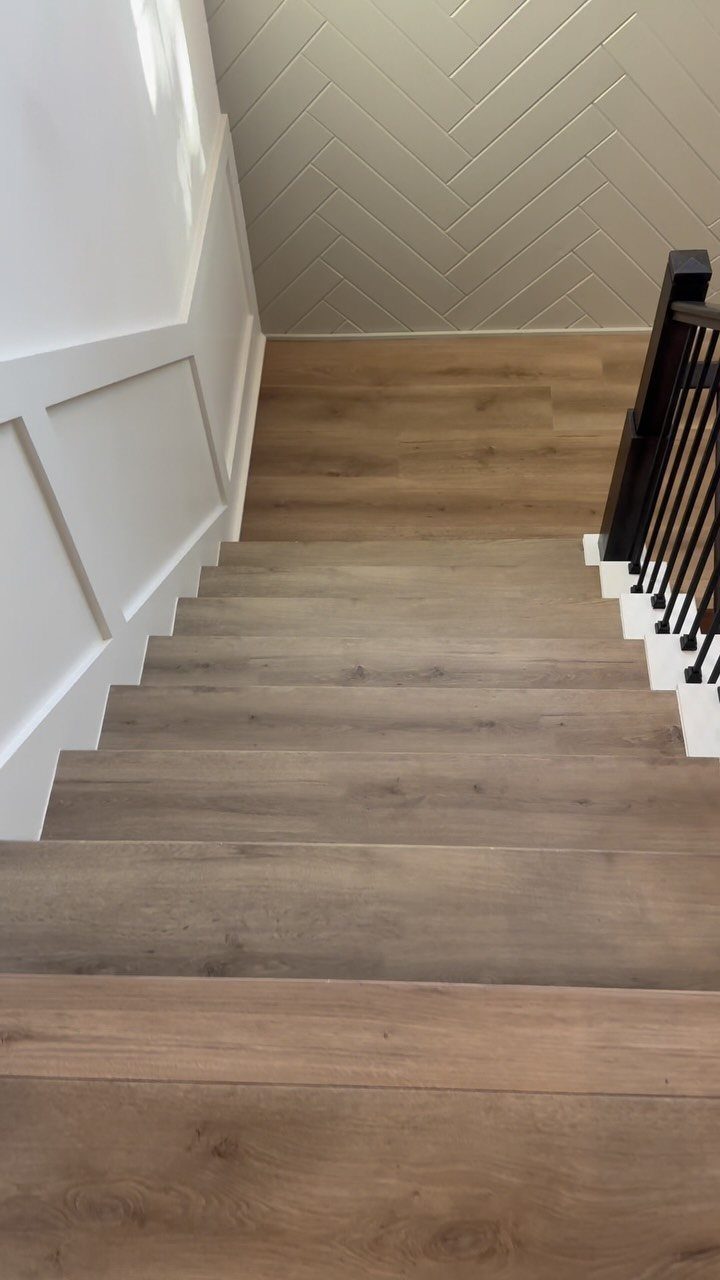
Natural Oak, White Oak, and medium brown tones are the shades I would bet on for staying power. They shift with the light and the season rather than announcing a year they were chosen.
White Oak in particular carries a quietness that works with both cool and warm palettes, a flexibility I have appreciated when the rest of the room evolved around it.
Dark floors against white trim can look striking, though the contrast needs careful balance; too stark and the room feels staged rather than lived in. Sample against your wall color, not the store’s beige.

Two 9" Pieces of 5" x 5/8" Walnut Prefinished Engineered Hardwood Flooring
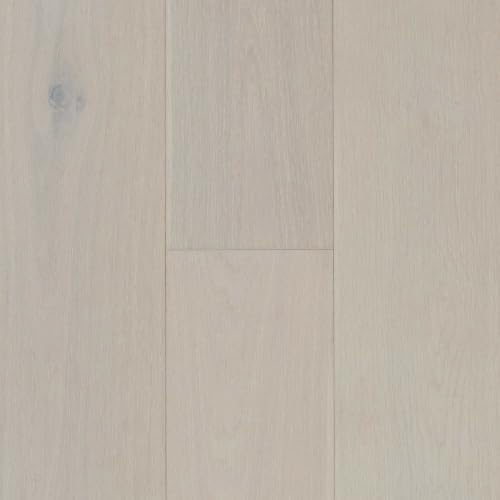
THIS IS A FLOORING SAMPLE - Cut from an actual full-size Aspen White Oak plank so you can see the true color, grain variation, and wire-brushed texture before purchasing.

THIS IS A FLOORING SAMPLE - Cut from an actual full-size Victoria White Oak plank so you can see the true color, grain variation, and wire-brushed texture before purchasing.
6. Herringbone Wood Floors

Herringbone costs more in labor and in waste, the angled cuts leaving scraps no one can use elsewhere. Movement across the floor is the real draw, light catching each zigzag differently through the day.
Straight lay is simpler and subtler; wide planks fall somewhere between.
I would reserve herringbone for a space where the floor is the main event, a foyer or a dining room seen from the entry, rather than running it through every room where the pattern exhausts.
The pattern also demands precise subfloor prep; any wobble in the base telegraphs through the geometry.
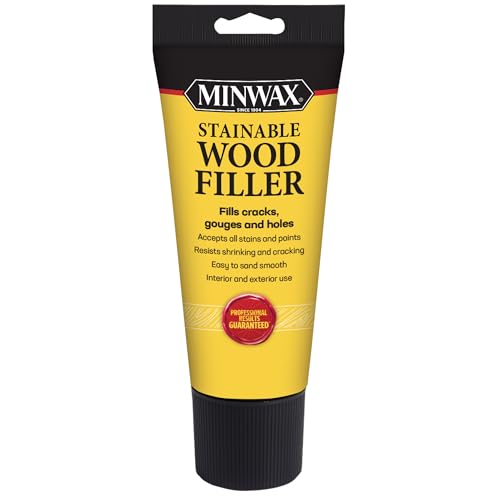
STAINABLE WOOD FILLER – Minwax Indoor/Outdoor Wood Filler is a stainable and paintable latex formula specially formulated to accept all Minwax stains, including both oil and water-based wood stains.

STAINABLE WOOD FILLER – Minwax Indoor/Outdoor Wood Filler is a stainable and paintable latex formula specially formulated to accept all Minwax stains, including both oil and water-based wood stains.

The information below is per-pack only
7. Medium Brown Wood Flooring

Medium brown sits where most rooms actually live, between the pale ash that shows every scuff and the espresso that drinks up light.
Medium brown carries three paint colors in one open plan without looking wrong, which matters when you own one can of primer and a Saturday.
I would check planks under the store’s fluorescent lights and again near a window before buying, since the tone shifts more than lighter woods under yellow bulbs.
This color forgives dust better than dark floors and pet hair better than light ones. It is the safe choice that still looks intentional.

[36 Inch Blue Vanity ] The surface of the ceramic undercounter basin is smooth, easy to care for and not fragile. At the same time, you can prepare a 4'' center faucet to match the basin well.

【Sleek & Space-Saving Design】Featuring a minimalist yet sophisticated look, it integrates effortlessly into any interior, whether your style is modern or traditional, to elevate your room with a cohesive and refined look.Designed for small spaces yet big on style, this vanity is the ideal choice.

[30 Inch Black Vanity] The surface of the ceramic undercounter basin is smooth, easy to care for and not fragile. At the same time, you can prepare a 4'' center faucet to match the basin well.
8. Light Wood Hallway Planks
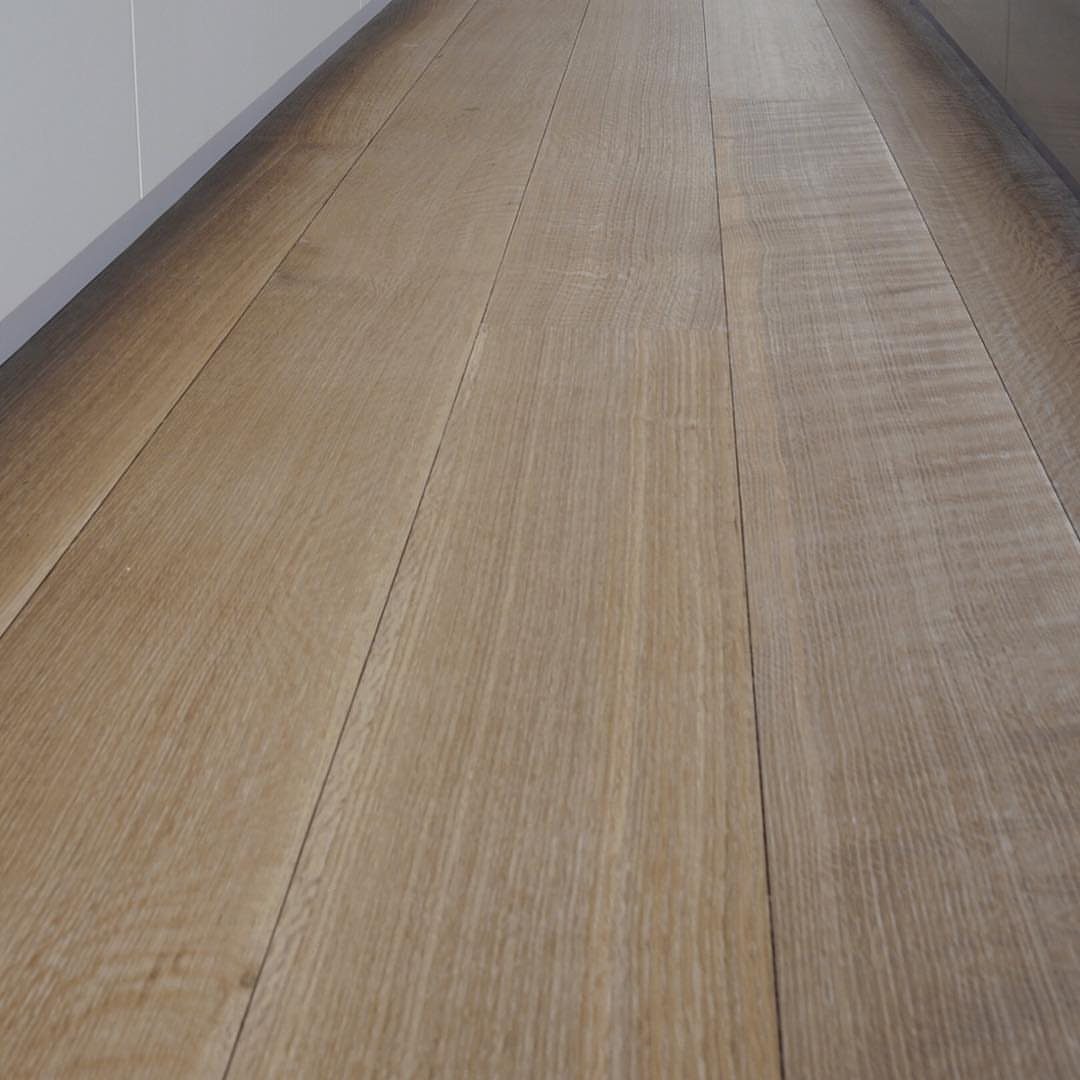
Hallways punish floors: grit from shoes, light from a single fixture, no furniture to break the view. Running planks lengthwise stretches a narrow space, and pale wood doubles that effect where a dark runner would close it in.
I would keep the finish matte or satin at most; gloss turns a corridor into a bowling alley under overhead lighting. A white wall beside it does real work, reflecting what little light hits the floor.
In a house with old, uneven joists, narrow planks lie flatter than wide ones and cost less per square foot to boot.
Narrower boards handle hallway traffic and the budget better than wide plank; save the bigger widths for rooms where you spend more time standing still.

𝐄𝐟𝐟𝐨𝐫𝐭𝐥𝐞𝐬𝐬 𝐃𝐈𝐘 𝐈𝐧𝐬𝐭𝐚𝐥𝐥𝐚𝐭𝐢𝐨𝐧:Achieve a seamless upgrade with our peel and stick floor tiles. No grout, glue, or special tools needed. Simply peel the self-adhesive backing and stick the vinyl flooring directly onto clean, smooth subfloors. Easily trimmed with scissors for a perfect fit around corners and edges. The flexible planks allow for custom splicing patterns, making it the ultimate renter-friendly and easy flooring to install solution for any DIY enthusiast

𝐍𝐎𝐓𝐄: Since the length of the peel and stick floor tile wood look is 36Inch (91.44cm), we ship them on a roll to avoid damages. But this bending during shipping will not affect the installation, or you can kindly place heavy objects on the wood vinyl plank flooring for two hours before installation.

Authentic Wood Look: American Oak’s honey hue carries a classic bright warmth through your space; Features beautiful wood-look grain and realistic knots across rich variations of blonde
Choosing the Right Color
Your existing cabinetry, trim, and wall color should steer the species and finish more than any trend board. Warm oak tones settle naturally into a traditional colonial; a modern farmhouse reads cleaner with wider planks left closer to raw.
Room size and light change everything a sample promises. Morning sun and afternoon shadow can turn the same board from honey to cardboard, so I would carry samples home and live with them a full day before deciding.
A tone that opens up a small room under store fluorescents may flatten to mud under your own lamps.
Matte and satin sheens forgive daily wear better than gloss, and grains with natural variation, oak or hickory, hide the scuffs that uniform woods broadcast. A finish should let the wood’s own figure show through, not fight it.

Nexus Wood Look Floor Planks: Transform your floor for a low cost and no hassle with the Nexus Vinyl Floor Planks. Our planks can be used in any room in your home from the foyer to the bathroom. No messy glue or adhesives needed. Includes 10 vinyl planks.

LUXURY WOOD-LOOK FLOORING: Authentic natural wood grain self-adhesive vinyl planks bring classic warm vibes to quick home refreshments and match all mainstream home decor themes

🏠Thick peel and stick floor tile: Thickness is 0.06inch (1.5mm). Size 12x12 inch included 4 Tiles, made of vinyl. Solid black wood peel and stick floor tile waterproof, renter friendly, groutable, non slip, no special tools needed.
Investment Value
A floor that outlasts style cycles protects more than appearance. Classic hardwood holds residual value through resale because it appeals across buyer tastes rather than dating itself to a single year.
Natural wood carries that breadth better than alternatives engineered to look like it. I would bet on species and finishes broad enough to survive a décor change without demanding replacement.
The real return sits in avoiding the do-over. A timeless choice skips the second installation, the second disruption, the second pile of torn-up material hauled to the curb.
That saved cost, that saved Saturday, is value the listing price never captures.

Indoor wood flooring can be applied throughout various spaces within your home, including kitchens, dining rooms, bedrooms, foyers, garages, and basements. Wood tiles are particularly suitable for enhancing interior environments. The presence of hardwood flooring significantly contributes to enhancing the visual appeal of living spaces, making them more delightful and attractive to behold.

THIS IS A FLOORING SAMPLE - Cut from an actual full-size Zurich Herringbone White Oak plank so you can see the true color, natural oak tone, and wire-brushed texture before purchasing.

5mm thickness (4mm rigid core + 1mm pad) x 7.1 in. width x 48 in. length. High wear layer vinyl plank flooring. 10 planks per case. 23.64 sq. ft. per case.
Maintenance Tips
Matte and satin sheens need less attention than gloss; they do not announce every water ring or heel scuff the moment it lands. I would pick them for any room that actually gets walked on.
Wire-brushed or smooth-sanded texture gives the floor some life without tying it to whatever style is having a moment. They catch light unevenly, which helps the surface look the same on day 800 as on day 8.
Refinishing is the reset button, but only if the wear layer holds out. Check thickness before you buy; thin engineered stock may not survive even one sanding.
Budget the cure time too, days of empty rooms while the finish hardens to something you can walk on without sticking.
Design Versatility
Hardwood’s real strength is what happens around it.
One oak floor can outlast three wall colors, two sofas, and a brass-heavy phase and never look off. The floor did not adapt; the rest of the room moved, and the wood stayed neutral enough to let it.
A backdrop that never fights the change means you can repaint or reupholster without the nagging sense that something still clashes.
Frequently Asked Questions
What color wood floor is most timeless?
Medium brown tones, natural oak, and white oak are the shades I’d bet on for staying power. White oak in particular carries a quietness that works with both cool and warm palettes, so the room can evolve around it.
What floor never goes out of style?
Natural wood flooring is the choice that endures, especially solid oak or thick-engineered stock that can be sanded and refinished when the surface wears.
Engineered construction with a hardwood veneer over a stable core matches the look and handles subfloor movement or moisture better.
Who makes timeless designs flooring?
Timeless Designs is a flooring brand that sells engineered hardwood, luxury vinyl plank, and wood-look tile. Their products focus on classic colors meant to outlast trend cycles and complement changing decor.
What is the newest trend in hardwood floors?
Wide planks and herringbone patterns are getting attention, though I’d be careful about chasing either.
Herringbone costs more in labor and waste, and the angled cuts leave scraps no one can use elsewhere; I would reserve it for a space where the floor is the main event.