
Light floors win for most homes, especially smaller rooms with limited windows.
Dark floors only pull ahead when your square footage is generous and your sunlight abundant, because the maintenance cost is steep: my espresso bamboo turned a 10-by-12 bedroom into dead space, and swapping it for natural maple felt like gaining square footage for free.
Visual Size Effect
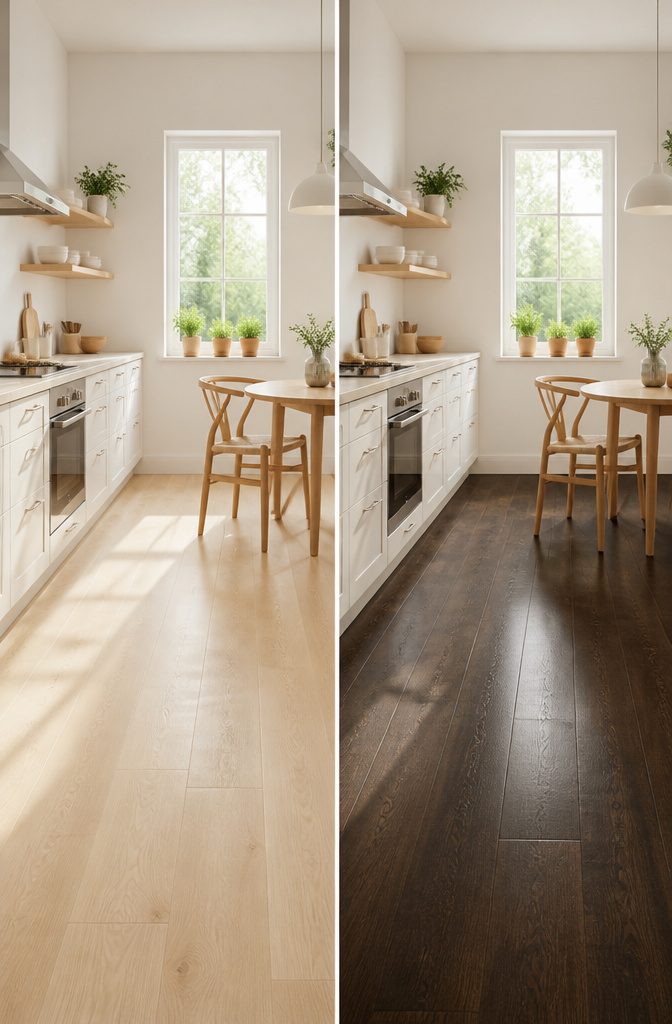
Light floors bounce more light back into a room, and that reflection does the visual heavy lifting of pushing walls outward.
A pale oak or whitewashed finish can make a cramped studio or narrow kitchen read as noticeably larger than the same room with a dark stain.
I learned this the hard way in a 10-by-12 bedroom with one window: the espresso bamboo I installed swallowed the afternoon light and left the corners reading as dead space.
Swapping it for a natural maple tone two years later felt like gaining square footage I hadn’t paid for.
Dark floors do the opposite. They absorb light rather than return it, which grounds a large open-concept layout nicely but can press inward on smaller rooms.
A dark walnut or mahogany tone in a compact space with low ceilings or limited windows will read as more enclosed, sometimes dramatically so.
The same finish that looks rich and intentional in a 400-square-foot living room can make a 150-square-foot den feel like you’re walking into a jewelry box.
The question of whether dark floors make a room look smaller has a straightforward answer: yes, they can, especially where natural light is already scarce.
If your square footage is modest and your windows are few, light flooring is the safer bet for keeping the space breathable.

LUXURY VINYL FLOOR TILES: For use indoors and in temperature-controlled environments only, MSI brings adhesive flooring up a notch with Glue-Down floor planks – stylish at the surface with the authentic look of real wood plank flooring
Ideal to fill gaps, nicks and scratches on wood, laminate and vinyl flooring

Ideal to fill gaps, nicks and scratches on wood, laminate and vinyl flooring
Maintenance Requirements

Dust settles on every floor, but the color decides how fast you reach for the broom. Pale hardwood hides dust, dirt, and pet hair far better, since light tones let debris blend in rather than stand out in sharp relief.
Dark floors do the opposite: every speck, footprint, and scratch catches the light and announces itself the moment it lands.
I learned this rhythm the hard way with a dark-stained hallway that needed sweeping twice daily just to look presentable.
The same household, same pets, same traffic pattern on a later light oak floor stretched that chore to every few days without anyone noticing.
Pet hair multiplies the problem. Dark surfaces turn shedding into a constant visual reminder, while lighter wood forgives the same fur until your actual cleaning day.
Scratches follow the same rule: the light-reflecting surface of pale wood scatters the evidence, but dark stains deepen every mark into a visible groove.
The trade is straightforward.
Light floors buy you time and hide the chaos of real living. Dark floors demand a stricter schedule and deliver a polished look only when that schedule is kept.

Planks click together easily, no glue or nails needed.


Planks click together easily, no glue or nails needed.
Aesthetic Appeal

Light floors bounce daylight around a room and read as open, modern, Scandinavian, or coastal depending on what you put on top of them.
They feel forgiving in tight apartments because the eye keeps traveling. Dark floors do the opposite.
They swallow light and settle a space, pulling toward traditional or luxe moods. A dark-stained oak or a walnut plank against white walls gives you contrast that feels intentional and expensive, not accidental.
The question I see most is whether dark floors are still in style.
They are, and they are not trendy. A 2023 read on the market still calls them timeless, and that tracks with what shows up in resale listings.
The risk is not that they will look dated in five years; it is that they ask more of your maintenance routine, which is a different section entirely.

RICH EVEN COLOR – Minwax Wood Finish is a deep penetrating, oil-based wood stain that provides beautiful color and enhances the natural wood grain in one coat. It’s perfect for interior staining projects such as wood furniture, cabinets, doors and more.

PRODUCT DETAILS - This 13 piece kit includes 6 Repair Markers, 6 paper wrapped wax sticks and 1 wax stick sharpener packaged in a blister card.

Expert Color Match: Our wood markers furniture repair includes essential wood tones (grey, burnt sienna, maple, oak, cherry, chestnut, espresso, black, walnut, white, bamboo, mahogany), ensuring precise matching for seamless, invisible repairs
Room Suitability

A kitchen floor takes a beating, so light wood hides the daily dust and crumbs that collect between sweeps. I learned this the hard way after watching a friend’s dark oak kitchen show every fleck of flour by noon.
Living rooms follow the same rule if they’re small or short on windows: pale floors bounce light around and blur the line where wall meets floor, which pushes the walls outward visually.
Bedrooms and dining rooms run cooler and darker, and that’s where dark floors earn their keep.
Walnut or a deep concrete-look porcelain gives a large, sunny living room the visual weight to anchor furniture that would otherwise feel like it’s floating. In a bedroom, the same darkness reads as cozy rather than cramped.
The split isn’t just about square footage or window count.
A kitchen needs practicality first; a bedroom needs atmosphere. Match the floor to what the room is actually for, and the size and light almost sort themselves out.

DARK WOOD SCRATCH COVER FOR FURNITURE & FLOORS: Dark brown stain concealer camouflages scratches, nicks, scuffs & pet marks on dark hardwood, engineered surfaces & veneers. Dark shade only — test on hidden area to confirm color match.

Two 9" Pieces of 5" x 5/8" Walnut Prefinished Engineered Hardwood Flooring

Indoor wood flooring can be applied throughout various spaces within your home, including kitchens, dining rooms, bedrooms, foyers, garages, and basements. Wood tiles are particularly suitable for enhancing interior environments. The presence of hardwood flooring significantly contributes to enhancing the visual appeal of living spaces, making them more delightful and attractive to behold.
Natural Light Impact

Morning sun hits my bedroom oak differently than it hits the living room pine, and the lesson stuck: light floors bounce daylight back into a room while dark floors drink it up.
In my north-facing kitchen, the pale ash boards keep the space from feeling like a cave through winter afternoons. The same tone in a south-facing sunroom would glare you awake by 7 a.m.
Dark floors trade that brightness for something else. They pull walls inward visually and soften the edges of a space, which works when you want a library or a bedroom to feel wrapped around you.
The catch comes in smaller rooms with limited windows. A compact home office with dark walnut underfoot can turn dim enough that artificial lighting becomes necessary by mid-afternoon, where light flooring would have stretched the available daylight further.
The choice maps cleanly to what the room already has.
Abundant windows and you can absorb some light with a deeper tone without penalty. Few windows or an interior room, and pale wood earns its keep by amplifying what little arrives.

3X BETTER PET HAIR PICKUP*: Dense 100% microfiber fingers create electrostatic action to attract and trap stubborn pet hair in fewer passes.

Versatile Cleaning Power: Our Petme Tender Multifunction Magic broom sweeper effortlessly tackles glass, fine dust, hair, and spills on all surfaces, including smooth floors, rugs, and windows

24" Dust Mops for Floor Cleaning: The dust mop easily pick up pet hair, dust bunnies, and crumbs from your floors. It is ideal for quickly removing dust, hair, and small debris before daily wet mopping
Resale Value Perception
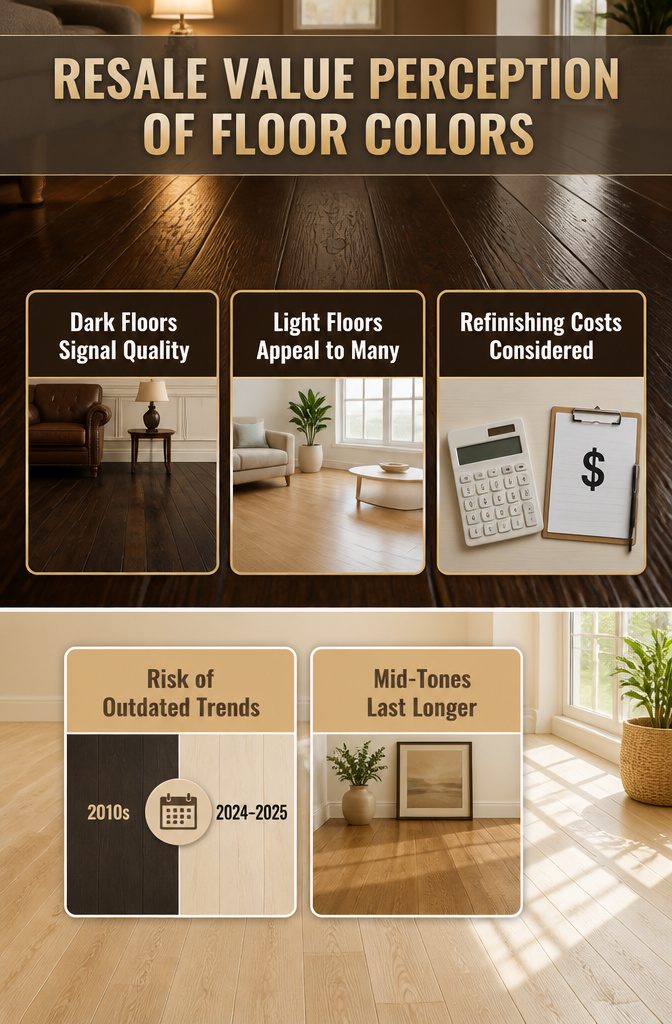
Hard numbers on how floor color moves a sale price are thin.
A few real estate platforms have tracked buyer preferences, but no one has published a clean dollar-per-square-foot spread between light and dark hardwood. What exists is perception, and perception shapes offers.
Dark hardwood floors still read as "classic" to a traditional buyer, signaling quality and permanence.
That can work in established neighborhoods or among buyers who want the house to feel finished the day they move in. I have seen the same listing photos praised for "timeless" floors that another shopper called "heavy."
Light floors pull a different crowd. The same platforms note that lighter, more natural wood tones appeal to a broader range of buyers right now, especially in markets where modern and bright read as move-in ready.
Does light hardwood flooring increase home resale value? In many markets it can improve appeal, not because the wood itself is worth more, but because fewer buyers will mentally price in a refinish.
The risk with either is dating the house to a single era.
Very dark floors from the 2010s already feel tied to that decade; very pale bleached tones may read as a 2024–2025 trend in five years. A mid-tone, whether warm or cool, tends to outlast the cycle.

LUXURY VINYL FLOOR TILES: For use indoors and in temperature-controlled environments only, MSI brings adhesive flooring up a notch with Glue-Down floor planks – stylish at the surface with the authentic look of real wood plank flooring
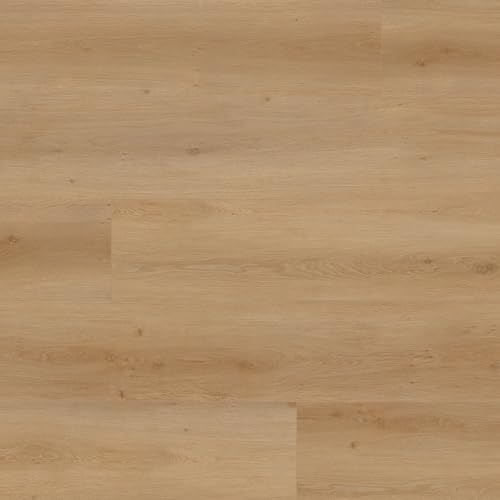
100% Waterproof & Ultra-Durable Construction: Premium rigid-core vinyl planks with a 22 mil wear layer resist scratches, stains, and spills for kitchens, living rooms, bathrooms, and high-traffic areas

Good Adhesive: Mysflosy peel and stick vinyl flooring planks use strong adhesive, which can hold the planks to flat ground firmly; Good performance on bedroom, bathroom, laundry room, kitchen hallway and etc.
Color Fading in Sunlight

Sunlight changes every floor eventually, but dark floors show it first.
UV rays strip the color from dark stains unevenly, leaving lighter patches where the morning sun hits hardest. A south-facing room can turn a rich espresso into a mottled brown in a single summer if the rugs never move.
Light hardwood fades too, but the shift stays close to the original tone.
The change blends in rather than announces itself, which matters more than most people expect until they see it happen. You notice the floor less, and that becomes the point.
The fix is the same for either color. UV-cured or matte finishes slow the damage, and blinds or drapes in high-exposure rooms buy years.
Rotating rugs and furniture every few months keeps the fading even, though most of us forget until the outline appears. If your living room gets strong direct light all day, light flooring is the safer long-term bet.

100% Waterproof planks, enjoy the beauty of real hardwood without the worry of water damage; 21.31 sq.ft. per ctn

Use on wood, cork, tile, resilient, and other hard surface floor coverings.

Unfinished not stained solid hardwood. Natural color may vary from piece to piece.
Light and Dark Floor Shades at a Glance

Light floors and dark floors each carry their own language of tone and temperature, and the labels on the sample chip matter more than you might expect.
A floor advertised as "white" reads crisper and more graphic than one called "ivory," which carries a drop of warmth that softens the edges of a small room.
Pearl grey drifts cooler and more reflective than beige, which grounds a space the way unbleached linen grounds a bed.
On the dark side, deep brown keeps some of the wood’s living variation, while anthracite grey, charcoal, and black move progressively toward a flatter, more uniform surface that swallows light rather than returning it.
| Shade | Temperature | Visual Weight | Best Paired With |
|---|---|---|---|
| White, ivory | Warm to neutral | Lightest | Cool wall colors, natural textiles |
| Beige, pearl grey | Warm to cool | Light-mid | Greige walls, mixed metals |
| Deep brown | Warm | Mid-heavy | Brass, cream, sage green |
| Anthracite grey, charcoal, black | Cool to neutral | Heaviest | White trim, high-contrast furniture |
The visual weight column is the one to watch when you’re standing in the aisle with three samples in hand.
A heavy floor in a room that already holds a dark sofa and heavy drapes can feel like the walls are closing in; a light floor in that same room lifts the furniture instead.

Water-based wood stain creates rich, even color in 1 coat on most surfaces

Excellent Repair Ability: The wood repair kit includes 12 wood repair pens, 1 suede cloth, and 1 user manual. Our SEISSO touch up markers are suitable for repairing all kinds of wooden furniture, including surface scratches, stains, minor cracks, dents and fading on furniture such as wooden floors, doors, wardrobes,office desks, cabinets, beds, etc.

POLYSHADES WOOD STAIN – Minwax PolyShades is an oil-based wood stain and poly in one. It enhances wood grain by combining beautiful, rich color and long-lasting polyurethane protection in one easy step.
What I Learned From My Own Floor Choice

The first apartment I ever rented had dark walnut laminate that looked rich in photos and swallowed every crumb the moment it hit the ground.
Vacuuming twice a week kept the dust bunnies invisible, but the scratches from a single moving day showed up like white scars across every plank.
When I switched to a place with pale oak-look vinyl, the same scuffs vanished into the grain, and the room read two shades brighter without a new paint can.
The dark floor cost me a weekend of touch-up markers; the light one let me drag furniture around for six months before I noticed a mark.
Budget-wise, both ran about $2.50 a square foot, but the lighter color bought me the laziness I actually live with.

【Modern Minimalist Style】This wooden platform bed frame has a modern minimalist appearance with clean lines and no unnecessary embellishments, giving it a sleek and tidy appearance that easily blends with various modern bedroom styles. The texture of the wood create a natural and comfortable atmosphere, modern and warm. NOTE: Our bed frame uses standard dimensions. If your mattress looks smaller with a sheet or leaves gaps, please measure both. If mismatch, contact us — we’ll provide a fair solution and stand by every customer.

Crafted from high-quality hardwood, the Napa Valley European White Oak Engineered Hardwood Flooring guarantees unmatched durability and resilience

Crafted from high-quality hardwood, the Napa Valley Hickory Engineered Hardwood Flooring guarantees unmatched durability and resilience
Frequently Asked Questions
Do dark floors make a room look smaller?
Yes, especially in smaller rooms or those with limited natural light. Dark floors absorb light rather than reflect it, which can press inward visually and make walls feel closer together.
In a compact space with low ceilings or few windows, a dark walnut or mahogany tone can feel dramatically more enclosed than the same room with pale flooring.
Which hardwood floor shows less dust, light or dark?
Light hardwood wins this one hands down. Pale tones blend with light-colored debris instead of framing it, while dark surfaces make every speck and footprint catch the eye.
A dark hallway can need sweeping twice daily to look presentable; the same household on light oak stretches that to every few days.
Are dark floors in style?
They are considered timeless rather than trendy.
Dark hardwood still reads as classic and intentional to many buyers, signaling quality and permanence. The risk is not that they will look dated in five years, but that they demand a stricter maintenance schedule to keep their polished appearance.
What is the best flooring for homes with pets?
Light to medium-tone hardwood floors are generally best.
Light wood scatters the visual evidence of scratches and blends with shed fur instead of turning it into a constant reminder. Dark stains deepen every scratch into a visible groove and make pet hair stand out immediately.
Does light hardwood flooring increase home resale value?
It can improve appeal in many markets, though hard dollar-per-square-foot numbers are thin.
Lighter, more natural wood tones currently attract a broader range of buyers, especially where bright and modern read as move-in ready. The value comes from fewer buyers mentally pricing in a refinish, not from the wood itself being worth more.
Are light wood floors out of style in 2026?
No, light wood floors remain widely appealing and are not facing a particular decline.
Very pale bleached tones may eventually read as tied to the mid-2020s, but mid-tone light woods with warm or cool character tend to outlast style cycles. The current market still favors brighter, more natural finishes for their versatility.
What is the most desirable color for a hardwood floor?
There is no single winner, but mid-tone woods currently offer the safest long-term bet. Very dark floors from the 2010s already feel tied to that decade, and very pale bleached tones may read as a passing trend in five years.
A mid-tone, whether warm or cool, tends to outlast cycles while still appealing to both traditional and modern buyers.