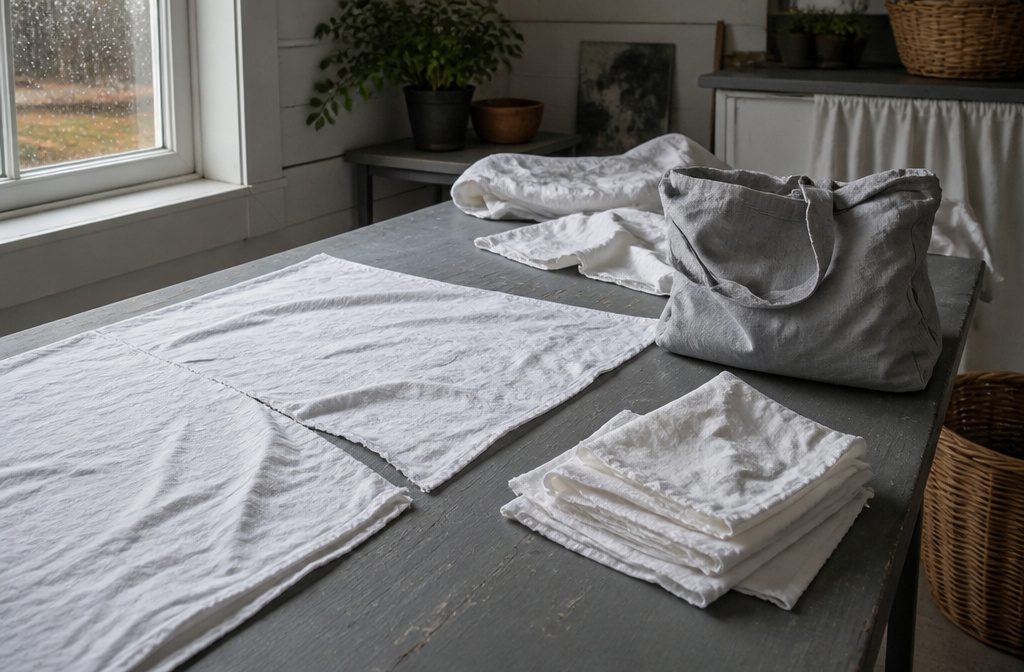
The choice between cutting a ripped sheet into cleaning rags or sewing it into a tote bag comes down to how much intact fabric you have left and whether the tear sits near an edge or through the middle.
A queen flat sheet holds enough yardage for several smaller projects at once, so one ripped set can stretch across drawstring bags, aprons, and a stack of kitchen cloths before you run out of material.
1. Cleaning Cloths or Rags
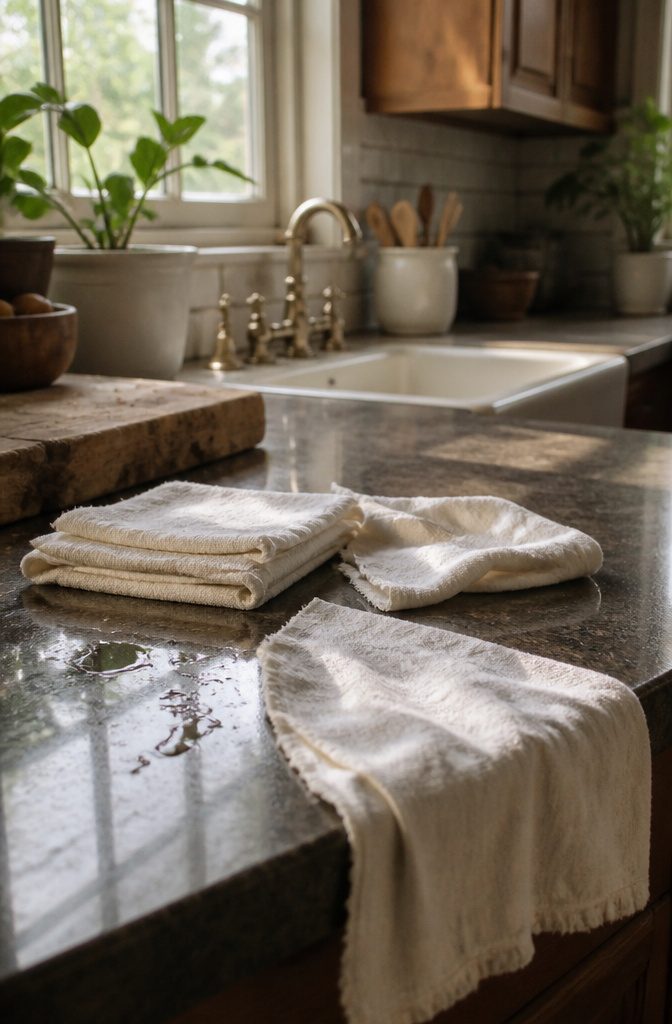
A ripped sheet cut into smaller squares becomes the most useful cleaning cloth in the house.
Cotton sheeting is soft enough that it won’t scratch glass or polished surfaces, absorbent enough to soak up spills, and washable enough to use dozens of times before it wears out.
One flat sheet, cut down, gives you enough rags for counters, windows, the dashboard, paint cleanup, and workshop messes all at once.
The best part: any size or location of rip works for this. You’re cutting the sheet into pieces anyway, so a torn corner or a hole in the middle makes no difference.
I like keeping a stack of smaller cloths in the kitchen and a few larger ones in the garage for dirtier jobs. They beat paper towels on absorption and save the money you’d spend replacing disposable rolls every week.
2. Pet Bedding or Car-Seat Liners
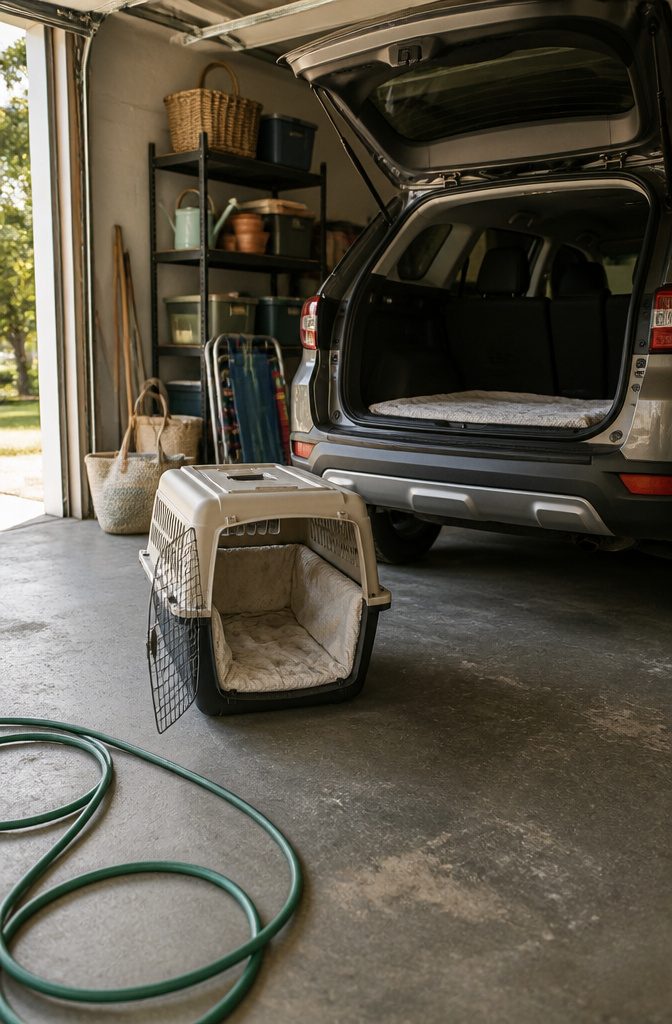
A folded sheet layered inside a crate or pet bed adds soft padding that costs nothing and can take the wear a dog or cat dishes out daily.
The fabric breathes better than plastic liners, and when it gets muddy or chewed, you swap it out rather than scrubbing upholstery.
I keep a stack of worn sheets in the garage for exactly this: one goes under the dog on road trips, another lines the back seat when we haul plants or beach gear, and a third stays in the crate for overnight guests with pets.
Sheets too stained or threadbare for human donation still work for animal shelters, which go through bedding fast and care more about function than appearance.
A rip that rules out reuse as a cleaning rag can still pad a kennel floor or cover a carrier. The cotton absorbs spills, and shelters can wash and reuse the same piece until it finally falls apart.
3. Dog Toys, Tents, and Play Items
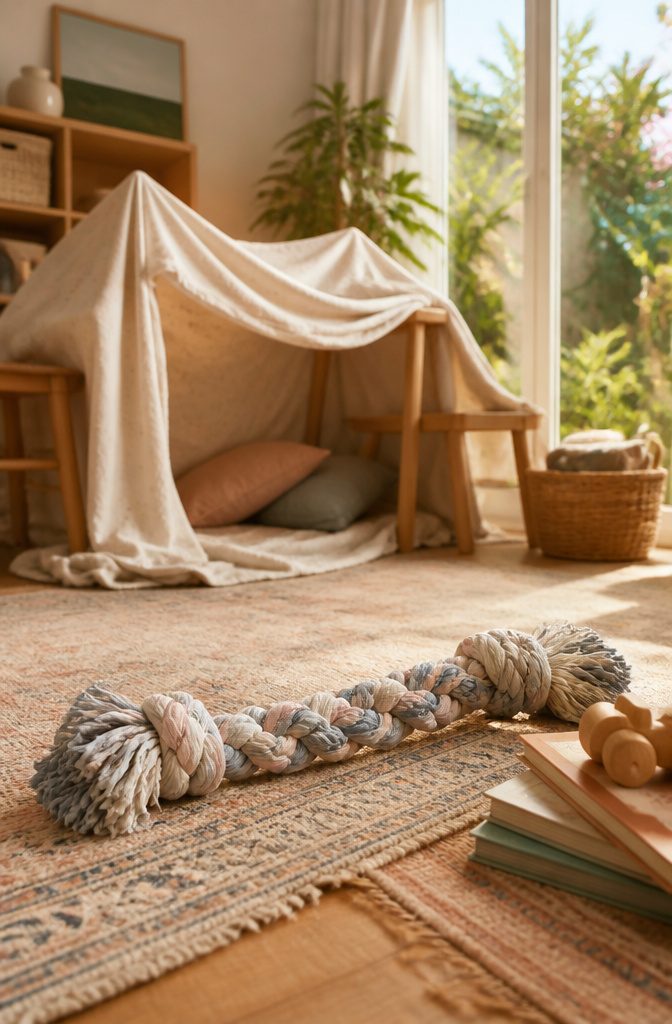
A cotton sheet braided into a tug toy lasts longer than the dollar-store rope versions, and you already own the material.
Cut twelve strips about 1 m long and 3 cm wide from a ripped sheet, gather them at one end and tie a tight knot, then separate the bundle into three groups of four strips each.
Plait the three groups together and finish with another knot at the bottom.
The result is a chunky toy thick enough for most dogs to chew without destroying it in ten minutes, and you can scale the strip width up or down depending on whether you’re making it for a terrier or a retriever.
The same ripped sheet fabric also works for kids’ play tents and blanket forts.
A homemade teepee can go up in under 60 minutes when you drape a sheet over a frame instead of sewing panels from scratch, and forts built by throwing fabric over chairs and furniture require even less planning.
The sheets do not need to look pristine for either project, which is why torn or faded ones are perfect here.
4. Gift Wrap or Packing Material
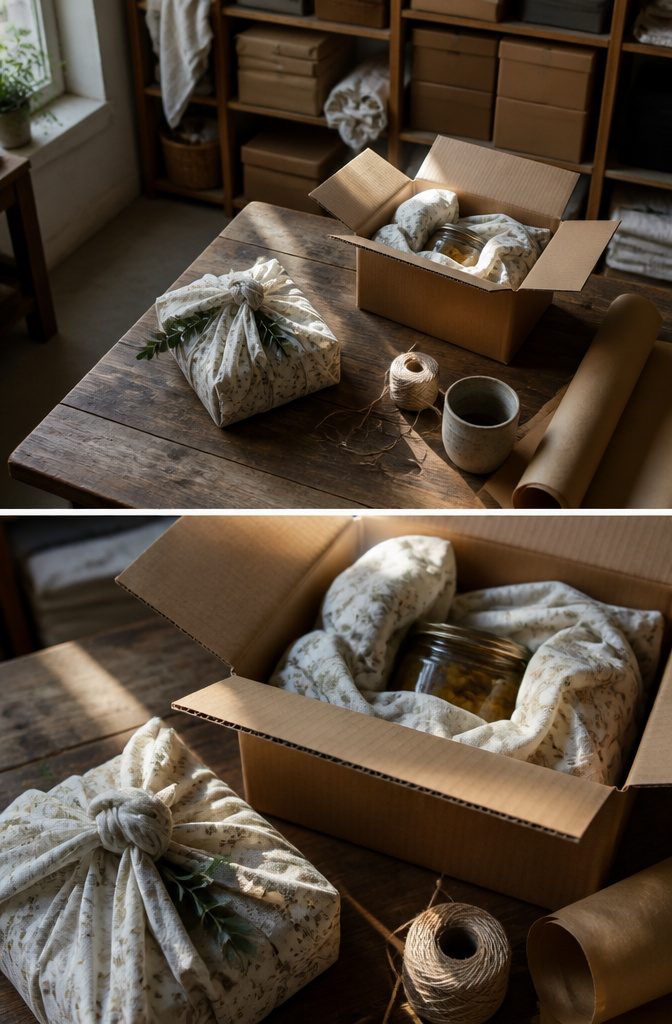
Cut a torn sheet into 45 cm × 45 cm or 70 cm × 70 cm squares and you have reusable gift wrap that folds around boxes, bottles, or odd shapes using the furoshiki technique.
The Japanese wrapping method relies on a few folds and knots instead of tape, so the fabric comes off intact and ready for the next gift.
I prefer the 70 cm size for most wrapped boxes; the smaller square works for wine bottles or stacked tins.
Fabric strips that aren’t square enough for wrapping still cushion fragile items inside a shipping box. Tear or cut the sheet into hand-width pieces, crumple them loosely, and tuck them around glassware or ceramics the way you would with paper.
The weight stays low compared to bubble wrap, which keeps postage reasonable, and cotton absorbs shock without adding bulk.
If you want the furoshiki squares to look finished, decorate the edges with fabric paint or simple block-print stamps before the first use.
5. Drop Cloths or Protective Covers
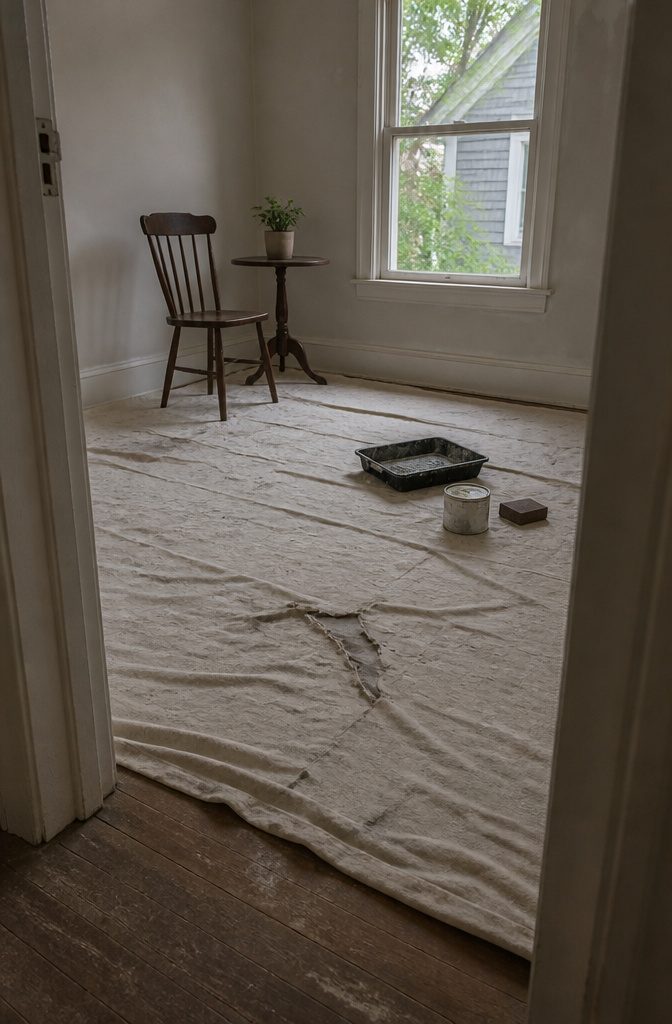
A ripped sheet laid across the floor stops paint drips cold, and the tear itself changes nothing about how well it works. Coverage is the whole job.
I use old flat sheets for painting because they’re wide enough to protect a full room corner without taping pieces together, and cotton catches spills without letting them seep through the way a tarp sometimes will.
The same logic holds anywhere you need a barrier between something you care about and something messy or dusty. Drape a sheet over furniture before sanding drywall or over outdoor chairs when they sit unused for weeks.
The breathable weave keeps dust off without trapping moisture underneath, which matters for anything stored long enough to sweat. Cars, grills, patio sets, all fair game.
Torn edges fray a little with repeated washing, but that only matters if appearance does. For drop cloths it doesn’t, so any sheet past its bedding life works here.
6. Tote Bags, Drawstring Bags, and Liners
Tote Bags, Drawstring Bags, and Liners
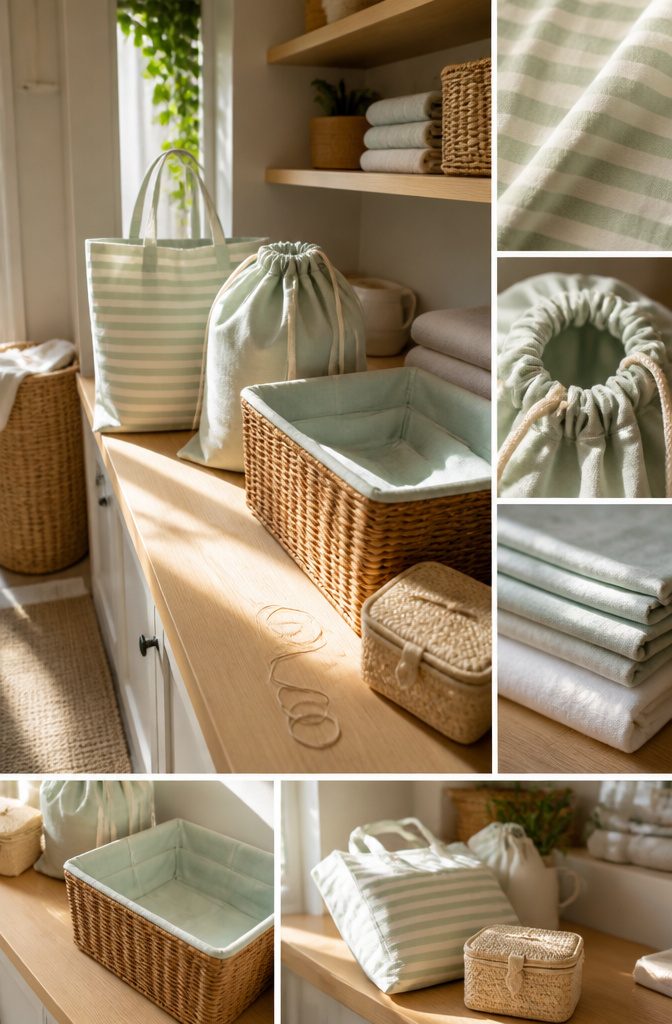
A queen or king flat sheet holds enough yardage for several smaller projects at once, so one ripped set can stretch across multiple bags before you run out of material.
The approach is the same whether you need reusable shopping bags, drawstring laundry pouches, or liners for storage baskets: cut two equal-sized rectangles from an intact section, place them right sides together, sew three sides shut, and leave the top open.
Fold and hem the top edge, attach handles cut from more sheet fabric, and you have a working bag. I reach for this when the sheet tore along one edge but left most of the field untouched.
Drawstring versions work well as individual laundry bags that hang from the back of a door or slip inside a hamper as a liner.
When the liner gets dirty, pull it out and toss it in the wash instead of scrubbing the basket itself.
Add gussets to the bottom corners so the bag sits flat inside a basket rather than bunching up along the sides.
7. Curtains or Shower Curtains
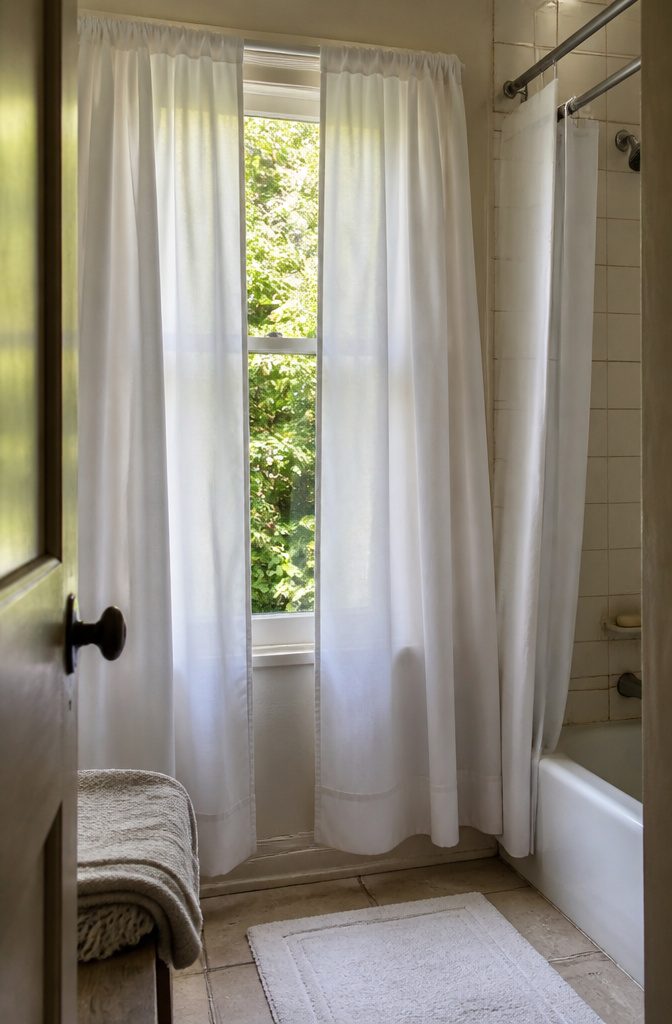
A flat sheet sized queen or larger gives you enough fabric to sew a simple shower curtain liner or a pair of window panels, and you can work around any tears by cutting them out or folding them into a seam allowance.
Percale works particularly well for curtains because the tighter weave holds a crisp drape and resists sagging once it’s hung.
Sateen is softer but stretches more over time, which matters less for a shower curtain behind the decorative layer than it does for something you see from across the room.
Wash and dry the sheet completely before you cut.
Most cotton finishes shrinking after the first few years, but if yours still has any give left, better to pull it out before you hem than after you hang the finished piece.
The wide intact sections between any rips usually leave plenty of usable yardage, and tutorials for both projects are easy to find if you need a refresher on straight seams and rod pockets.
8. Quilt Backing or Pillow Covers
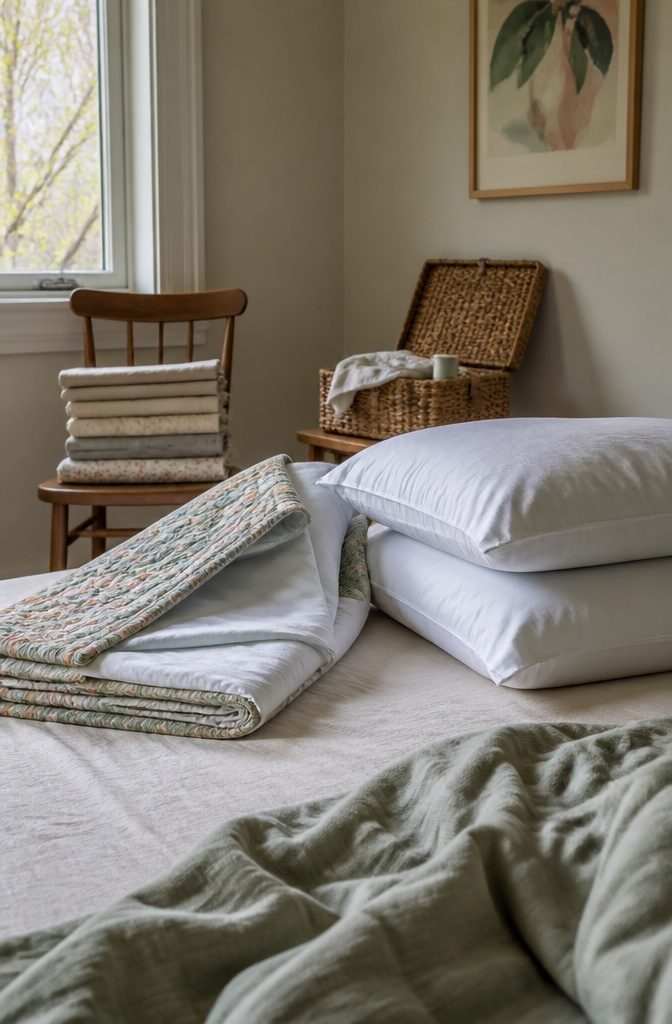
Large sheets give you plenty of yardage for quilt backing or pillow covers, and you can work around the ripped or stained parts when you cut your pattern pieces.
A softer, worn sateen sheet drapes well for quilt backing, since the extra give helps the fabric mold to whatever sits underneath. Percale holds a crisper finish if you’re sewing pillow covers that need to keep their shape.
For pillowcases, use one of your existing ones as a template and cut from the edges of the sheet where the material is less worn.
Press the seams flat so the allowances don’t bulk up or feel uncomfortable against your face.
This is one of the easiest sewing projects to start with, and you can do it by hand if you’re not ready to commit to a machine yet.
Wash and dry the fabric completely before you cut into it.
Most cotton finishes a little more shrinking after the first few years of washes, and you don’t want your new pillow cover to pucker after its first trip through the laundry.
9. Aprons or Smocks
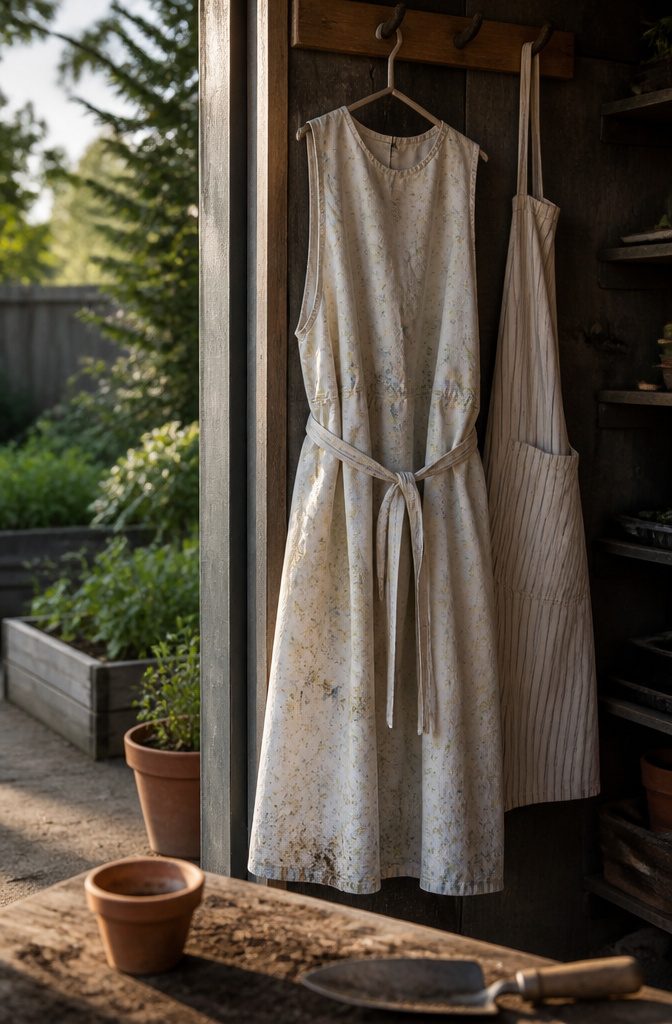
A ripped sheet can still yield enough intact fabric for several smaller garment pieces, and aprons sit at the top of that list.
The undamaged sections between a tear or a worn spot are usually more than enough for a basic kitchen or craft apron, especially if you start with a queen or king flat sheet.
One straightforward approach is to fold the sheet in half, cut a head-sized opening, slip it over, trim to the length you want, and use an offcut as a simple belt.
The whole thing takes one afternoon and costs nothing but thread if you already own a needle.
The appeal here is volume. A single retired sheet can turn into aprons for cooking, smocks for messier craft projects, and a dedicated gardening cover that keeps soil and sap off your clothes without guilt when it picks up stains.
Percale holds a crease well and washes clean repeatedly, so it works for kitchen duty. Softer sateen drapes a little more and suits a looser smock.
Either way, wash and dry the fabric fully before you cut, since most cotton finishes shrinking after the first few years of washes and you want the final size to stay put.
10. Tablecloths or Reusable Napkins
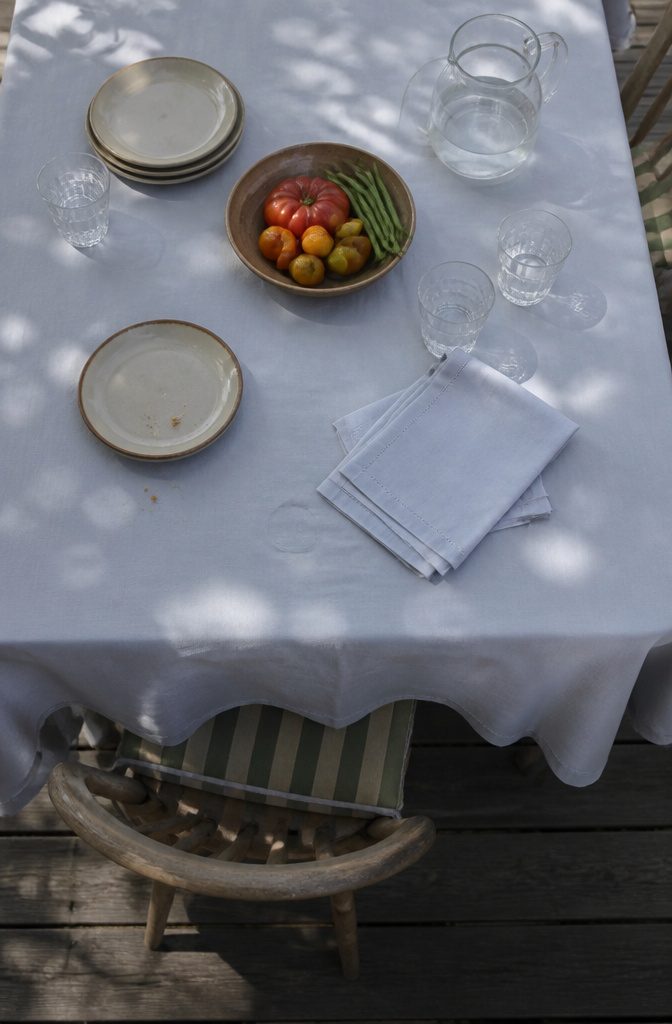
A flat sheet with a few rips at one end still leaves plenty of good fabric for the table.
I cut around the damaged sections and use the intact portions as casual tablecloths for outdoor dinners or covered porch meals. The fabric drapes well, washes easily, and no one misses the formality of linen when the setting is relaxed.
For napkins, I cut squares from the best areas and hem the edges.
Percale works particularly well here because the tighter weave holds up to repeated washing and the fabric feels crisp against your hands. Each sheet yields a dozen or more napkins depending on how much you have to work around.
I keep a stack in the kitchen and toss them in with the regular laundry. The cost per napkin works out to nearly nothing, and switching away from paper feels like a small win every time I set the table.
11. Frost Covers, Weed Barriers, and Plant Ties

A ripped sheet laid over plants on a cold night holds just enough heat to get them through a frost. Fold it double if the temperature is dropping hard, or drape a single layer for a lighter freeze.
The fabric breathes better than plastic, so you don’t trap condensation that freezes on contact with the leaves. Any tear or stain is fine here; function matters more than appearance outdoors.
The same sheet can sit flat between rows of vegetables or flowers as a weed barrier.
Lay it down before you plant, cut holes where the seedlings go, and the fabric blocks light from reaching weed seeds while water still moves through.
Cotton works best because it allows water to penetrate and reach the soil, and when the season ends you can pull it up, shred it, and add it to compost or dig it back into the bed.
For larger plants already in the ground, cut cotton discs to circle the base of each one.
Narrow strips cut from the edges make soft ties for staking tomatoes, beans, or anything climbing.
The fabric won’t cut into stems the way wire or plastic will, and you can tie them loose enough to let the plant grow without choking.
12. Donate Usable Sheets
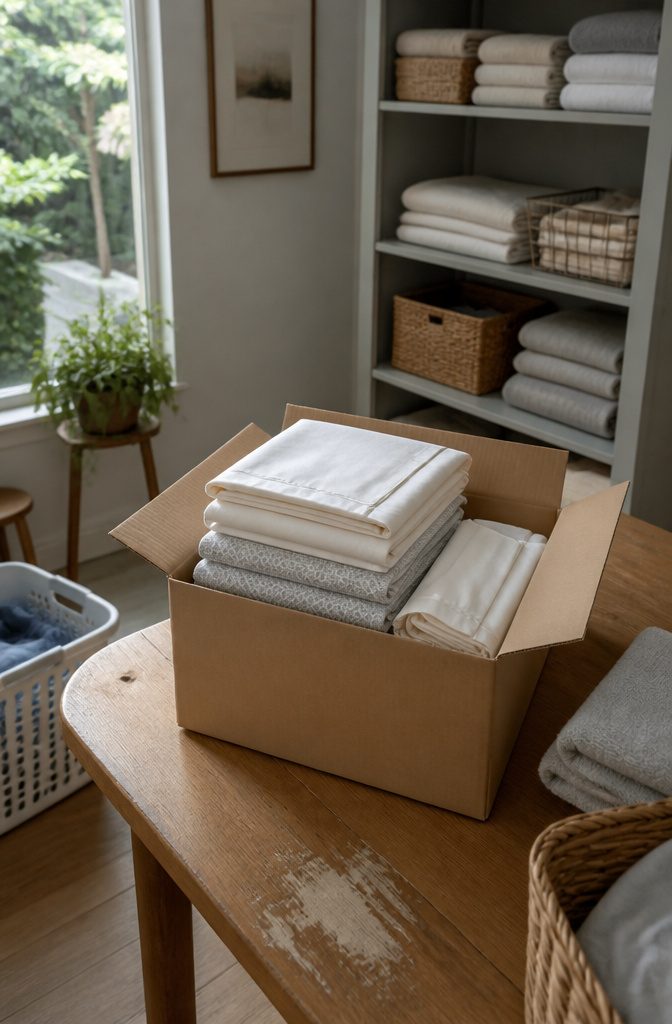
Sheets in good enough shape can go to shelters, thrift stores, or other organizations that take bedding. Not all do, so call ahead and confirm their specific requirements before you make the trip.
Some shelters accept donated linens, others lack the storage or laundering setup for it. Thrift stores resell bedding that is clean and presentable, and they prefer complete sets when you have them.
Wash and fold the sheets before you donate.
Inspect for stains and tears. Anything too worn or stained for a shelter may still work for an animal shelter, which often needs bedding for kennels and crates.
The fabric does not need to be pristine for that use, and the donation makes a difference for the animals they care for.
13. Recycle Through Textile Programs
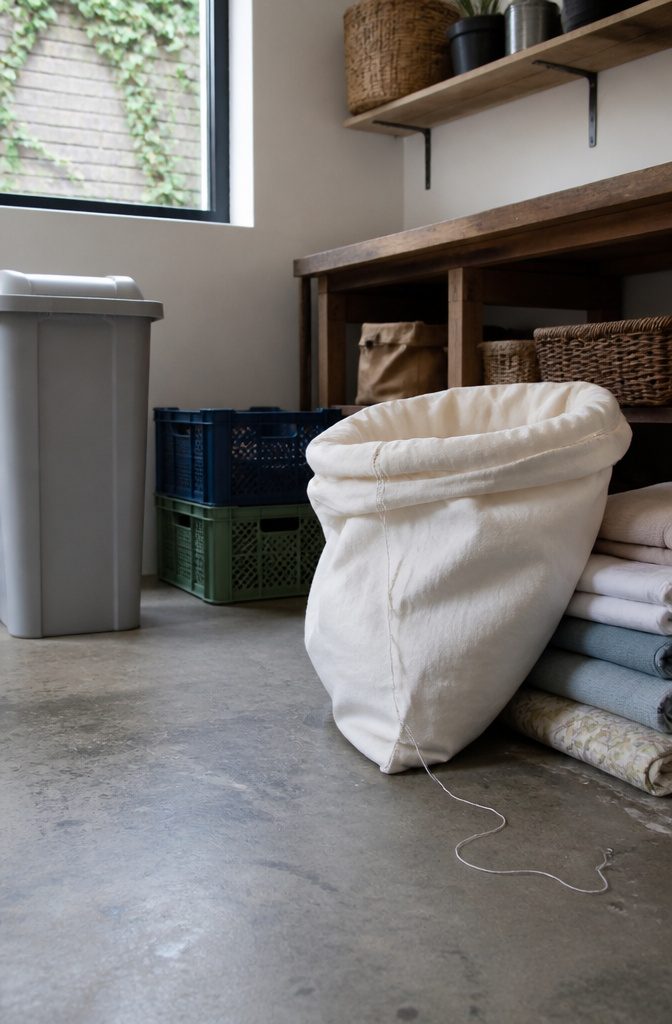
If ripping or staining puts your sheets past other uses, textile recycling programs can keep the fabric out of landfill.
Most bed sheets are made from cotton, polyester or a blend of the two. Cotton is generally more recyclable than synthetic fibers like polyester, so check what yours are made from before you look for a program.
Start with your local recycling center or waste management authority to see if they accept bed sheets. Many communities run dedicated textile drop-offs or collection events.
If your municipal system does not take them, look for brand take-back programs. Some clothing and bedding retailers offer mail-in or drop-off options for old textiles, including sheets.
Online directories like American Recyclers and TerraCycle can help you locate a textile recycling center near you. The facilities vary widely by region, so acceptance depends on both material and location.
14. Compost Natural-Fiber Sheets
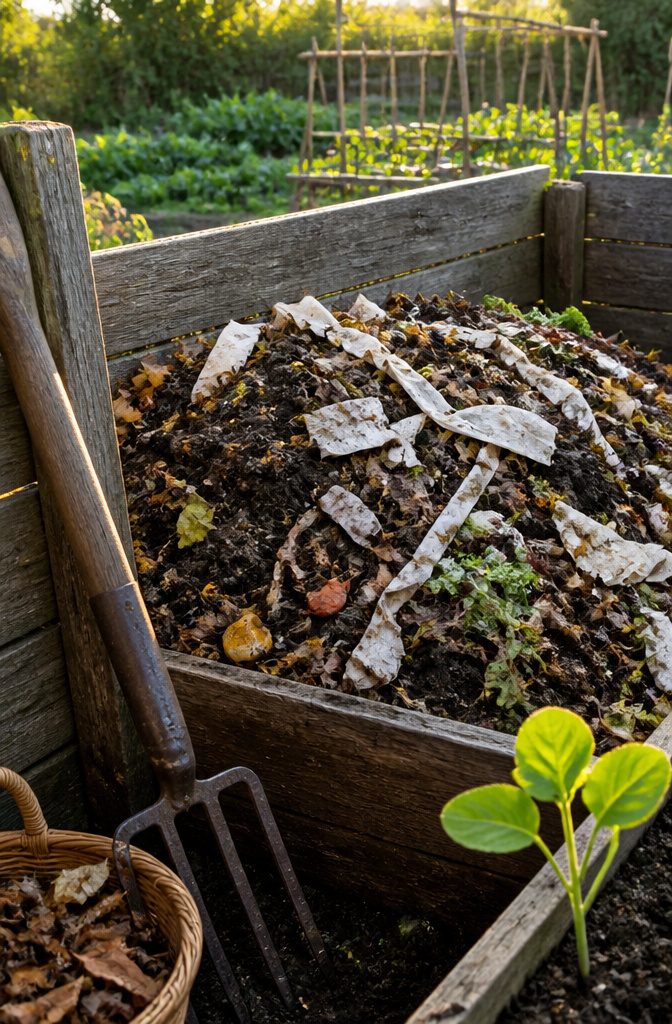
100% cotton or linen sheets can go straight into your compost bin after you cut them into smaller pieces.
Natural fibers break down cleanly, turning worn bedding into soil amendment without a landfill stop. Polyester and other synthetic blends do not compost and should skip this route entirely.
Cut the sheet into strips or rough squares to speed decomposition. Smaller pieces give the pile more surface area to work with and mix better with kitchen scraps and yard waste.
If you are composting a fitted sheet, pull out the elastic in the corners first. Elastic is synthetic and will not break down, leaving rubber threads behind in finished compost.
This works best for sheets already past repair.
A cotton sheet with one torn corner still has plenty of reuse ahead as rags or drop cloths, but a threadbare one shredded in multiple spots is a better fit for compost than for cutting into anything functional.
How to Sort Sheets by Condition
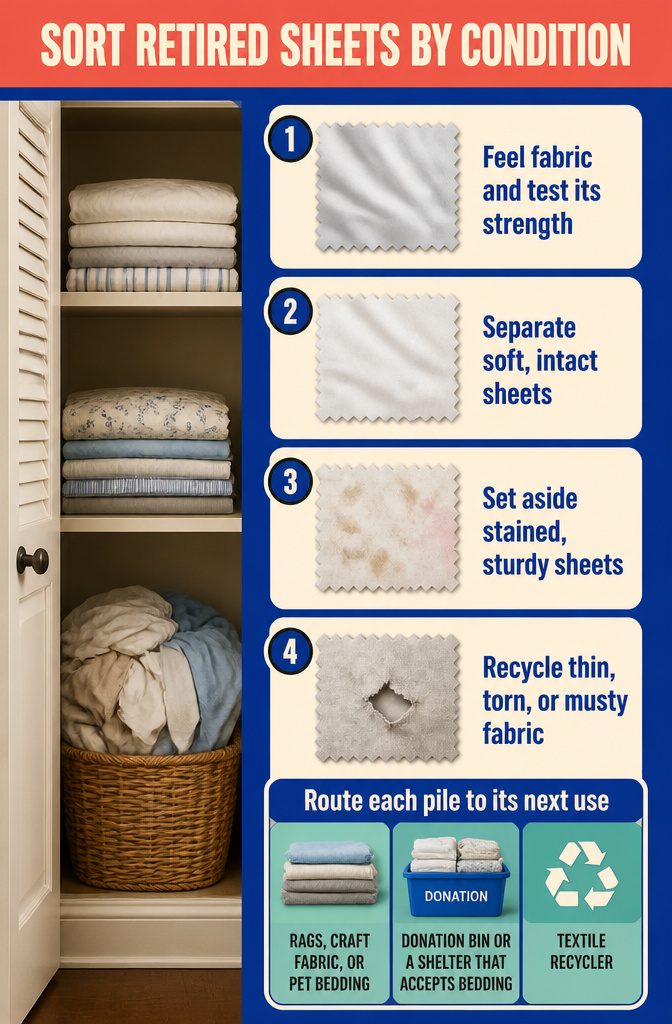
Run a hand over the fabric and hold it up to light.
If you can see through it easily or it tears when you tug gently, reuse and donation are off the table and recycling or replacement are the better fit.
A quick way to sort a full closet of retired sheets is to make three piles as you go: one for anything soft and intact, one for anything stained but still sturdy, and one for anything thin, torn, or musty.
The first pile becomes rags, craft fabric, or pet bedding. The second goes to a donation bin or a shelter that accepts bedding.
The third is best sent to a textile recycler rather than reused, since worn-out elastic and thinning fabric won’t hold up to another round of washing or sewing.
Sorting this way up front takes a few extra minutes, but it saves a second trip back through the pile once you’re halfway into a project and realize the fabric you grabbed is too far gone.
When to Replace Instead of Reuse
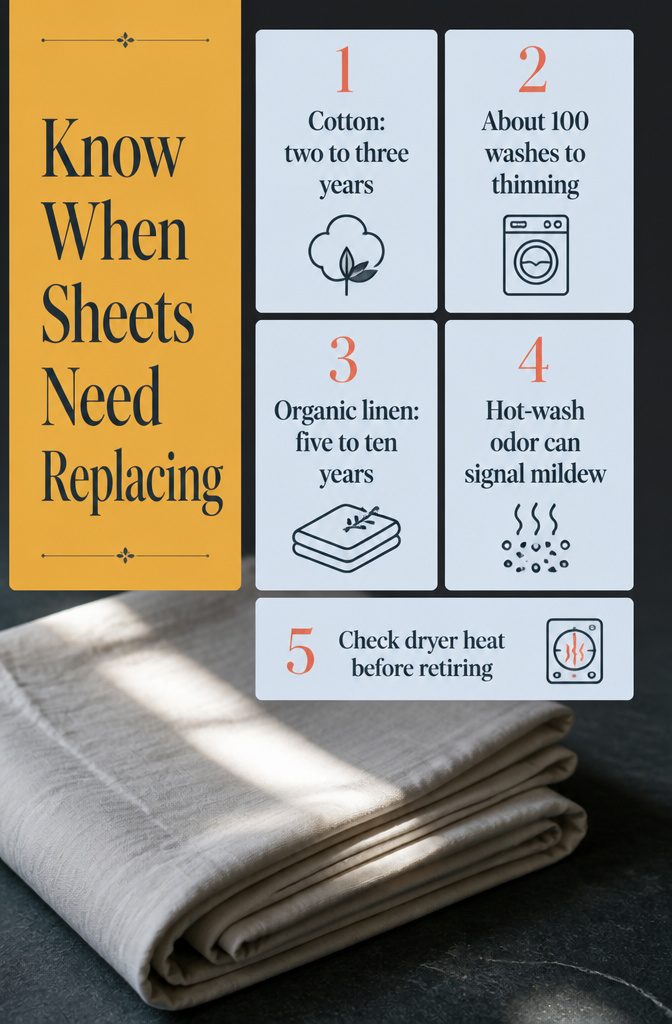
Not every ripped sheet belongs in a project pile. Fabric that has worn thin enough to see light through has lost most of its tensile strength and will tear further the moment you pull it taut or sew a seam.
Cotton sheets typically reach that point after two to three years or around 100 washes, though organic-fiber linens can hold up for five to ten years or longer depending on thread count and how often they cycle through the machine.
Persistent odor that survives a hot wash usually signals trapped bacteria or mildew deep in the weave.
Fitted sheets with slack elastic are done in their original role but still perfectly good as flat yardage once you cut away the corners.
Permanent stains matter less if you plan to dye the fabric or cut it into small pieces, but they do limit what you can make.
One last check before you retire a set: shrinkage sometimes points to a too-hot dryer rather than genuinely worn-out fabric, so rule that out before you decide the material is truly finished.
Frequently Asked Questions
Can you recycle old bed sheets?
Sometimes, depending on the material and your local options.
Cotton sheets are generally more recyclable than polyester or blends. Check with your local recycling center or waste management authority to see if they accept textiles, or look for brand take-back programs and textile drop-off locations in your area.
How often should you buy new bed sheets?
Replace sheets every 2 to 3 years or after about 100 washes. Cotton typically reaches that point after 2 to 3 years, though organic linen can last 5 to 10 years or longer depending on thread count and care.
Signs to watch for include fabric thin enough to see light through, fraying edges, or tears that grow when you pull the material taut.
What can I do with old fitted sheets?
Cut away the corners with the elastic and use the flat yardage for rags, drop cloths, pet bedding, or any other project that needs rectangular fabric.
The elastic itself should be removed and discarded before you reuse or compost the cotton, since it will not break down. Fitted sheets work just as well as flat ones once you trim them into usable sections.
How can I fix a ripped bed sheet?
Small tears can be stitched by hand or machine if the surrounding fabric is still strong, but sheets that rip easily or feel thin when you hold them up to light have lost most of their strength and will tear again.
At that point, reusing the intact sections for rags, drop cloths, or craft projects makes more sense than trying to repair the original piece.