
The wall behind your bed can take a weekend of paint and chip brushes or a permanent installation with a drywaller on speed dial.
What decides which idea belongs to you is how long you plan to stay: renters patch nail holes and peel off removable paper, while owners can glue 2-inch foam to plywood and call it built-in.
The proof that this range is real sits in the same material list, where framing strips hide wallpaper seams at one end and carved foam coated in plaster demands professional wiring at the other.
1. Textured Wall Ideas
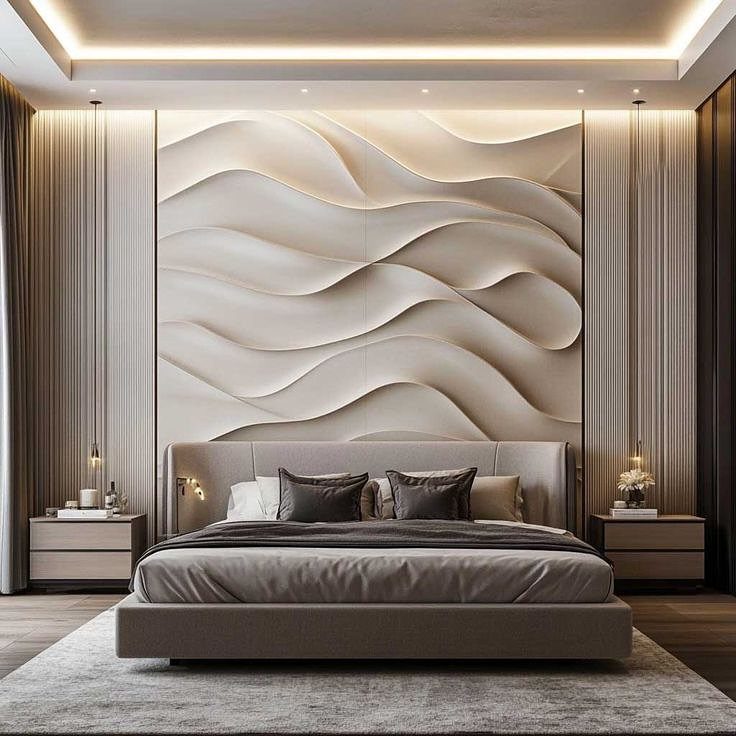
A wall with actual depth reads expensive even when it isn’t. The same wave effect comes from fabric-covered battens or heavy textured wallpaper with a raised pattern.
For a weekend build, I would frame thin strips of plywood vertically, wrap them in linen or a nubby weave, and space them evenly. The shadows between the strips do half the work.
A single roll of decent textured wallpaper covers the center panel without the carpentry.
This suits renters who can patch a few nail holes later. You lose the sculptural look but gain something you can take down Monday if your lease turns.

[OTTOMAN]: SAFAVIEH's Carmelo Hemp ottoman works as a footstool in a living room, bedroom or den, doubling as a footrest, a seat or a surface with a tray on it.

Furniture DIY decor: transform your home into a work of art with this unique and artistic wood carving onlays that add of charm and character to your furniture and walls,wood crafts appliques
2. Extended Headboard Feature Wall
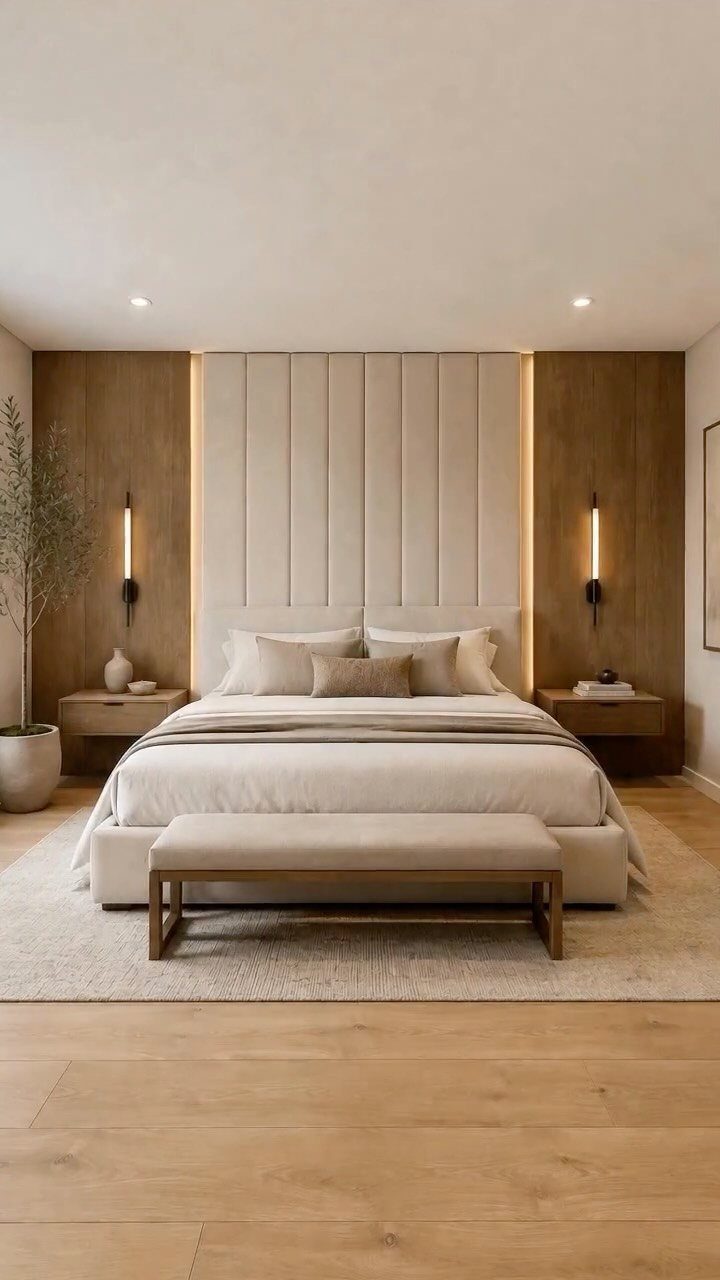
Floor-to-ceiling upholstery behind the bed turns a standard frame into something that looks built for the room. Vertical lines draw the eye up, which helps low ceilings feel intentional rather than cramped.
I would order 2-inch foam from a upholstery supplier, mount it with construction adhesive and L-brackets, then stretch fabric over it with a staple gun. Velvet or a heavy linen hides the staples; thin cotton shows every one.
The wood flanking panels are an upgrade move, but paint in a tone darker than the headboard fabric gets you most of the way there for the cost of a quart.
Best for someone staying put 3-plus years. Moving this is basically moving a mattress made of plywood.

Vertical channel stitching blends classic charm with modern comfort for a refined look.

Stable & Tidy: The low profile desgin of the white full bed frame ensures enhanced stability, while maintaining a clean and tidy area beneath the bed. Especially suitable for families with the young ones or people with limited mobility
Stable & Tidy: The low-profile design of the white queen bed frame ensures enhanced stability while maintaining a clean and tidy area beneath the bed. Especially suitable for families with young ones or people with limited mobility
3. Curtains That Cover the Entire Wall

A curtain wall turns a blank surface into something that reads as intentional architecture. The rod color matters more than people think, and black here gives the eye a line to follow.
I would budget enough for linen-look panels to gather, not stretch flat. The fullness is what makes it feel like a wall treatment rather than a window fix.
Ring clips let you adjust height without sewing.
This works when your "wall behind bed" is also where the room’s only window sits.
You lose the ability to lean art there, but you gain light control and a backdrop that changes with the season if you swap the panels.

COMFORTABLE AND BREATHABLE:This upholstered wall panels is covered with breathable and skin-friendly linen fabric, and filled with high-elasticity, high-density sponge inside.The hardness is moderate , providing a comfortable backrest experience and effective anti-collision protection

Soft & Durable Wall Cushion for Enhanced Comfort:Upgrade your space with LELEFIDO peel and stick headboard panels, designed with premium PU leather and soft sponge filling for maximum comfort and durability. These stick on wall panels not only enhance the aesthetic appeal of your bedroom but also provide excellent anti-collision wall padding, protecting your walls and adding extra support while you relax.
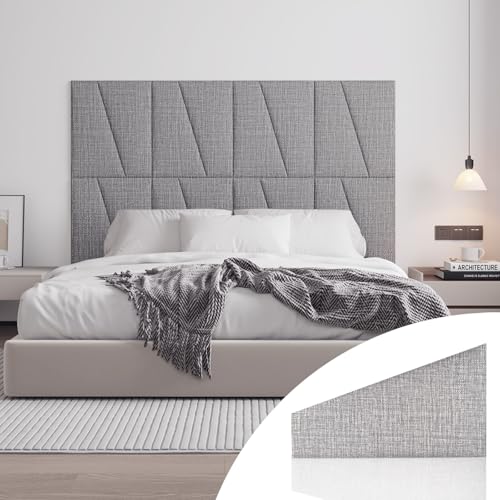
COMFORTABLE AND BREATHABLE:This upholstered wall panels is covered with breathable and skin-friendly linen fabric, and filled with high-elasticity, high-density sponge inside.The hardness is moderate , providing a comfortable backrest experience and effective anti-collision protection
4. Moody Color Accent Wall Behind Bed

The brushed suede finish flat paint cannot touch. The result catches morning light differently than evening light, which keeps a small room from feeling static.
I would buy 1 gallon of base coat and 1 quart of a tone 3 steps darker. The technique needs a cheap chip brush you will throw away after.
Practice on cardboard first; the window for dragging passes is short.
This is the fastest full-wall transformation on this list and the least forgiving of sloppy edges. I would tape the ceiling line with actual painter’s tape, not the cheap stuff, and pull it while the second coat is wet.

Elegant Decoration:This decorative wallpaper has a beautiful retro color design and amazing details, which can bring a simple and elegant texture to your home, and looks great when used to create a unique feature wall or decorate the entire room

Product Information: Brick peel and stick wallpaper. Size: 17.3"x78.8" ,with an area of 9.45 square feet. Material: PVC/Vinyl

Unique design:This peel and stick wallpaper features abstract floral and grass patterns, blending a rich variety of flowers, grasses, and petals. The thoughtfully designed color scheme and layered floral patterns create a vibrant yet artistic effect. With no complicated renovation required, it instantly enhances the look and feel of your space, making it an ideal choice for refreshing any interior style.
5. Wallpaper & Removable Murals

The recessed panels with dark green framing take this from looking like stuck-up wallpaper to looking like a designed wall. The wood strips are 1×2s, painted to match, and they hide every seam in the mural.
Peel-and-stick removable wallpaper runs per panel for large-scale prints. I would order 1 extra panel for pattern matching; the waste hurts, but a mismatched seam hurts more.
The framing boards get screwed into studs, the paper goes up inside them, and the whole thing lifts out when your lease ends.
For renters who want the look of built-in millwork without the permanence. The framing eats some width on each side.

Flexible Division, Instant Privacy:Made from a single, sturdy panel, this curtain creates a complete visual barrier. Without costly renovations, just pull it closed to form a private space for work, rest, or leisure in any room—living room/bedroom/office/closet/sliding glass doors/patio doors... It also hides cluttered shelves and exposed pipes, instantly improving the room’s look and helping you handle surprise guests.

Includes (2) curtain panels and (2) tie backs for a full window ensemble

Excellent Blackout & Privacy Protection: Made of thickened opaque fabric which blocks light effectively. The fabric touches very soft and is breathable. It creates a private space for studying, resting or changing clothes in shared dorm rooms
6. Wood & Shiplap Panels
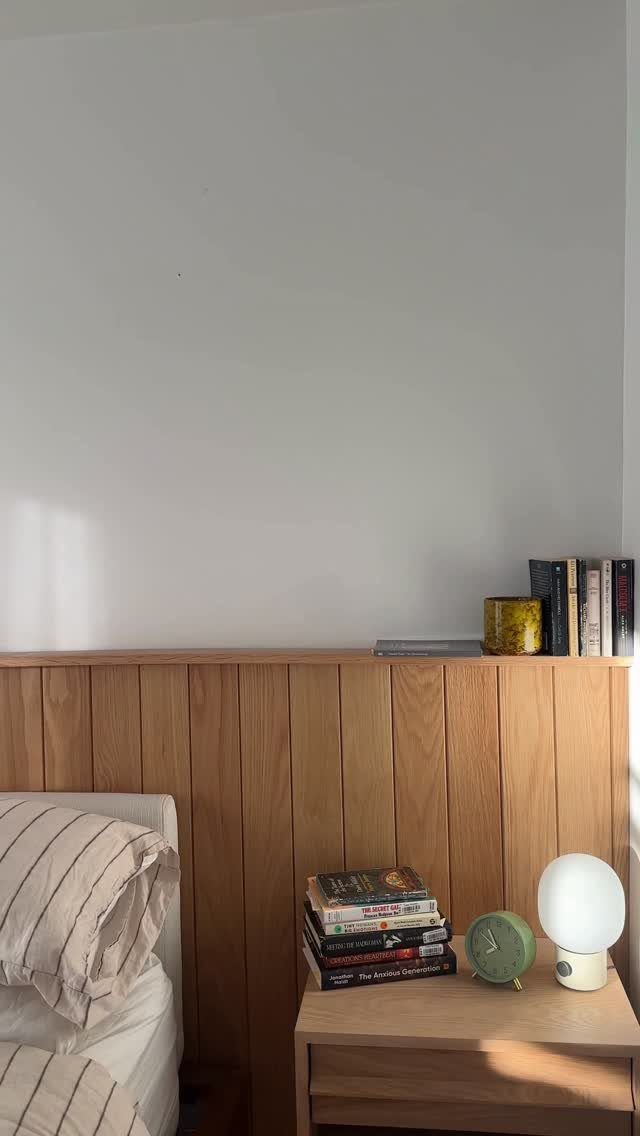
Vertical slats warm up a room faster than almost any other move.
The top ledge is the practical touch I would copy first: a shallow shelf for a clock, a book, or a glass of water when the nightstand is full.
I would rip boards to a consistent width, space them slightly apart, and mount them on a backer screwed to studs. The backer stays visible as the ledge; the slats hang below it.
The spacing matters more than the wood species. Tight gaps read mid-century; wider gaps read coastal.
I would stain before installation and seal after, working in the garage rather than the bedroom.
7. Gallery Wall & Art Arrangements

A gallery wall lets you pull together pieces you already own, thrifted finds, and one or two new prints without committing to a single large purchase.
Start with the largest piece near the center and build outward; paper templates taped to the wall save your drywall from extra holes. Command strips work for lighter frames in rentals, but anything heavy needs a proper anchor.
This suits renters who want personality without paint, and collectors who rotate art seasonally. A gallery wall means dusting and straightening; skip it if you want zero maintenance behind your head.

Vertical channel stitching blends classic charm with modern comfort for a refined look.

All-in-One Adjustable Bed: Why settle for a regular bed frame or a clunky adjustable bed base? Our All-in-One Adjustable Bed combines head & foot lift function in an adjustable base, with the added benefit of an upholstered vertical channel-fluted bed frame in soft linen fabric — finally, an adjustable bed that feels as modern as your lifestyle.

Queen Upholstered Bed Frame in Beige Corduroy for a Warm, Modern Look: This queen upholstered bed frame stands out with soft beige corduroy upholstery and a vertically channeled headboard that adds texture, depth, and a cozy visual feel. Designed for shoppers who want a bed frame queen size that looks softer and more inviting than standard wood or metal options, it works especially well in modern, cozy, and cream-style bedrooms.
8. Framed Wallpaper
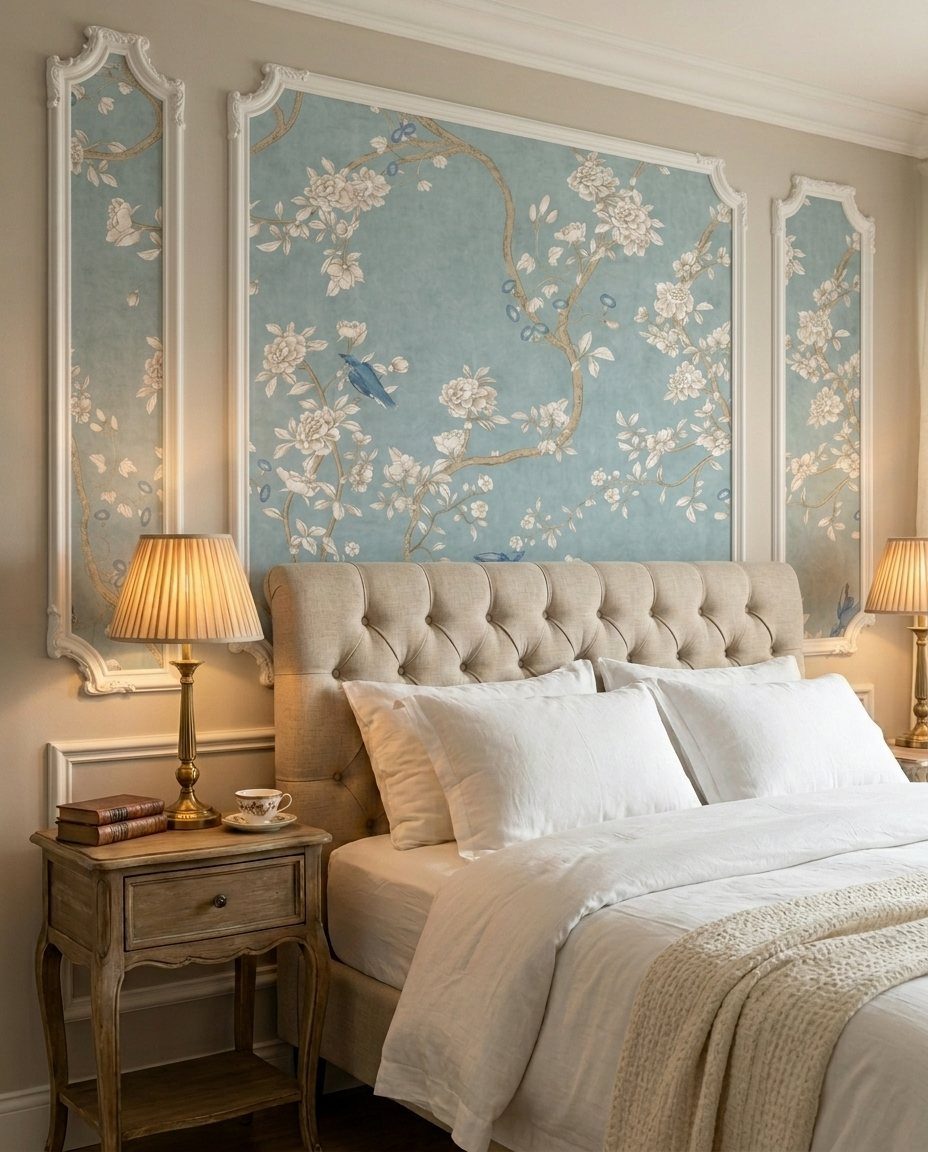
Framing a wallpaper sample turns a small splurge on a high-end pattern into finished art instead of a whole-room gamble.
I have used this trick with leftover rolls from other projects, but buying a single sample sheet works when you want something specific.
Look for large-scale florals or geometries that read as abstract from bed distance; small repeats get busy fast. Standard poster frames fit most sample sizes with minimal trimming, and a mat board behind thin paper keeps it flat.
This wins for commitment-phobes and pattern lovers in neutral rooms. It falls short if you want real texture; the paper stays flat behind glass.

[Queen Size Headboard System] 9-panel upholstered headboard designed exclusively for queen beds, providing full-width coverage with premium padded support

Lamp shade cover:it is made of high-grade material, which can be used for a long time,translucent lampshades

CLASSIC DECOR STENCIL: Your laser-cut 7.5 mil plastic stencil arrives ready for painting. Paint your color with a brush or roller. A room makeover DIY.
9. Marble Slab Accent Wall
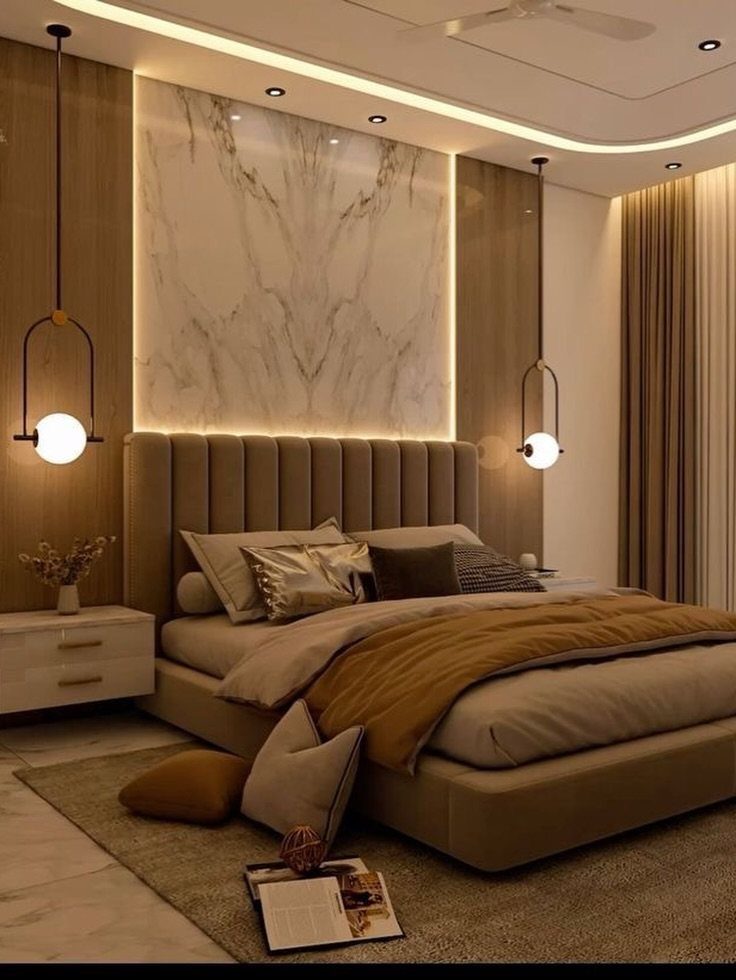
A marble slab wall reads as hotel-luxury because it is hotel-luxury pricing, but the look has a budget path.
Solid-surface shower panels that mimic veining work for this look, and backlighting them with LED strips in aluminum channels gives that same glow without the stone premium.
The wood framing matters more than the material inside it; wide flat trim in a warm stain creates the architectural weight.
Plan for an electrician if you want integrated outlets or sconces, or run plug-in strips behind the panel for a weekend project.
This suits someone staying put for 5+ years who wants one dramatic wall. Renters should look at peel-and-stick marble vinyl on a framed plywood panel instead.

【Farmhouse Style】 This floral wallpaper blends classic scrollwork with oversized circular floral elements, featuring delicate, flowing lines and richly layered patterns. Its soft, clean palette of light beige with low saturation, paired with a subtle vintage texture, effortlessly transforms monotonous walls, infusing spaces with a relaxing, healing country charm

Peel and Stick Wallpaper: Compared to traditional wallpaper, this peel and stick wallpaper can be installed/removed quickly and without residue, making it ideal for renters or those who update their decor frequently

【Easy to Install】- This self-adhesive wallpaper comes with a peel and stick application for easy installation without the need for tools or special skills. Just remove the protective film and stick it onto any smooth surface, making it perfect for renters or anyone who wants to quickly and easily change the look of a room.
10. Hanging Vines and Strip Lights
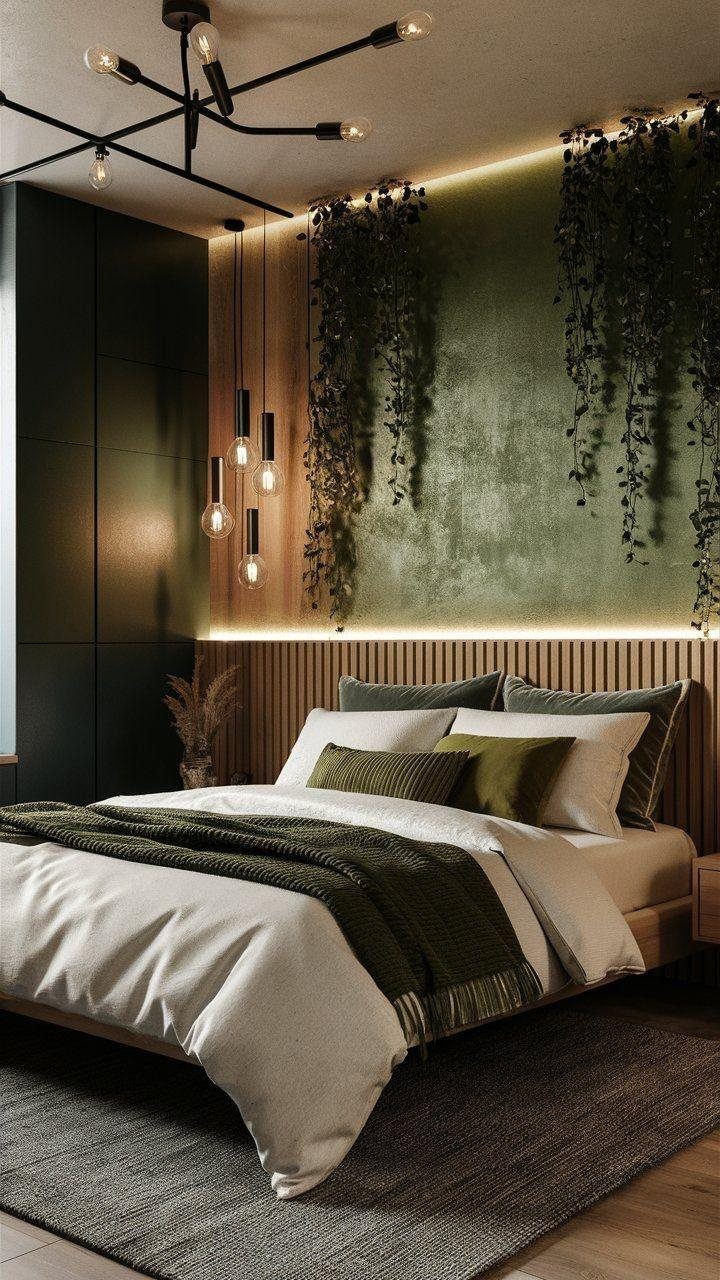
Fake vines and strip lights solve the two problems behind most beds at once: the wall looks bare, and the overhead fixture is too harsh for reading.
I have hung both with damage-free hooks in a rental; LED strips with adhesive backing plug into a timer for sunset glow.
Choose vines with varied leaf sizes, not the uniform dollar-store kind, and cluster them off-center so they look grown, not installed. The strip light hides where slats or a shelf meet the wall, washing upward.
This is for the reader who wants atmosphere without craft skills. Cleaning dust from the leaves twice a year and replacing the vines when they fade is part of the upkeep.

Light Blocking For Deeper Sleep: Our bunk bed curtains for bottom block 60 to 80 percent of ambient light, including hallway lamps, desk lights, and morning sunlight (darker colors offer superior blocking). It creates a faster and deeper sleep environment for night-shift workers, light-sensitive sleepers, and anyone needing daytime rest.

DARKER SLEEP IN A SHARED ROOM - Thick lined 100% polyester blackout fabric with a heavy drape wraps the lower bunk in darkness, so early bedtimes, naps and gentle sleep training get easier while a sibling reads above
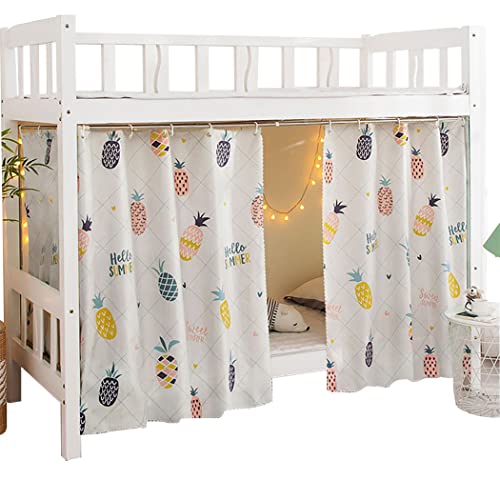
Size Tips: The bunk bed curtains measurement 78.7 x 45in/200 x 115cm (L W). Fit 2 1m/ 79 39.5in or smaller single size/ twin size bunk bed. Can cover both sides and front
11. Illuminated Rock Relief Sculpture

A rock relief wall is the farthest end of this list, and the one I would only attempt if I owned the place and knew a drywaller.
The fluted wood slats create rhythm, but the sculptural element needs either carved foam coated in plaster, or a found piece mounted and lit, and both paths demand planning for weight and wiring.
The warm backlighting is what sells it; cool white LEDs would make stone look clinical.
If you love the texture but not the build, a single large plaster vase or raw wood sculpture on a narrow console behind the bed gives a similar organic focal point without the construction.
This suits the permanent home with a real budget and a contractor contact. Everyone else should scroll back up to the wood panels or framed wallpaper.
Importance of the Headboard Wall
The wall behind your bed carries more visual weight than any other surface in the room because your bed takes up 40–60% of what you see.
That makes the backdrop behind it the natural focal point, whether you planned it or not.
One intentional choice on that wall tells the eye the room is finished, even when everything else is still basic. Designers have tracked eye movement in bedrooms, and the headboard wall is where attention lands first on entry.
Every choice you make about color, texture, or coverage there sets the tone for the whole space.
Trends in Bedroom Decor
Wallpaper has come back hard in the last 5 years, driven by brands that made peel-and-stick versions credible. One wall of pattern gives the impact without the cost of wrapping the room.
The common thread is scale: a small print or a narrow stripe gets lost behind a bed, so the pieces and patterns have grown to match the furniture.
Tips for Renters
Peel-and-stick wallpaper is the first thing I would point a renter toward. It goes up with water and a squeegee, comes down without residue, and the good brands now print patterns that read as permanent in person and in photos.
Run it from floor to ceiling on just the headboard wall; you get the full effect without paying for the whole room.
For something lighter still, a single oversized mirror layered on a bold paper gives the artsy effect without the commitment of a full wall treatment.
Command strips and damage-free hooks handle the weight of most frames and decor, and they leave nail holes out of the conversation with your landlord entirely.
Common Mistakes to Avoid
Stick to one accent wall. Two or three competing treatments in the same room turn busy fast, and the bedroom suffers more than a living space from that chaos because you are trying to sleep there.
A neon-bright or high-contrast pattern behind your head fights the purpose of the room. The wall should complement what is already there: the bedding, the largest furniture pieces, the natural light.
If your bed frame is ornate or upholstered to the ceiling, a loud wall behind it competes rather than supports. The same rule runs in reverse; a simple frame against a quiet wall reads as nothing at all.
“Keep in mind what you want the accent wall to convey and if you want it to be a showstopper, or if you’re looking for it to enhance something else,” notes Linda Hayslett of LH.Designs in Los Angeles.
Frequently Asked Questions
What is the wall behind the bed called?
Most people call it the headboard wall or the focal wall.
It is the surface your bed faces into, and because the bed is usually the largest piece in the room, this wall naturally draws the eye first when someone walks in.
Is it bad feng shui to have your bed against a wall?
Having the headboard against a solid wall is actually the standard recommendation; it gives a sense of support behind you while you sleep.
The concern in feng shui is more about leaving enough space to walk comfortably on both sides, not about the wall contact itself.
Should a feature wall be behind a bed?
Yes, this is usually the best location for one. The bed is almost always the largest piece of furniture in the room, so the wall behind it naturally pulls attention.
Some people prefer the wall across from the bed so they see the feature while lying down, but behind the bed is the safer choice for most layouts.