A rag rug can be braided without tools in an afternoon, woven on a frame loom for straight edges, or crocheted with a size Q hook if you already work with yarn.
The style you pick depends on whether you want to braid, weave, crochet, or sew your strips.
Cut fabric strips about 2 inches wide from washed cotton sheets, join them with a slit-and-pull connection, and start braiding, crocheting, or weaving from there.
1. Braided Rag Rug
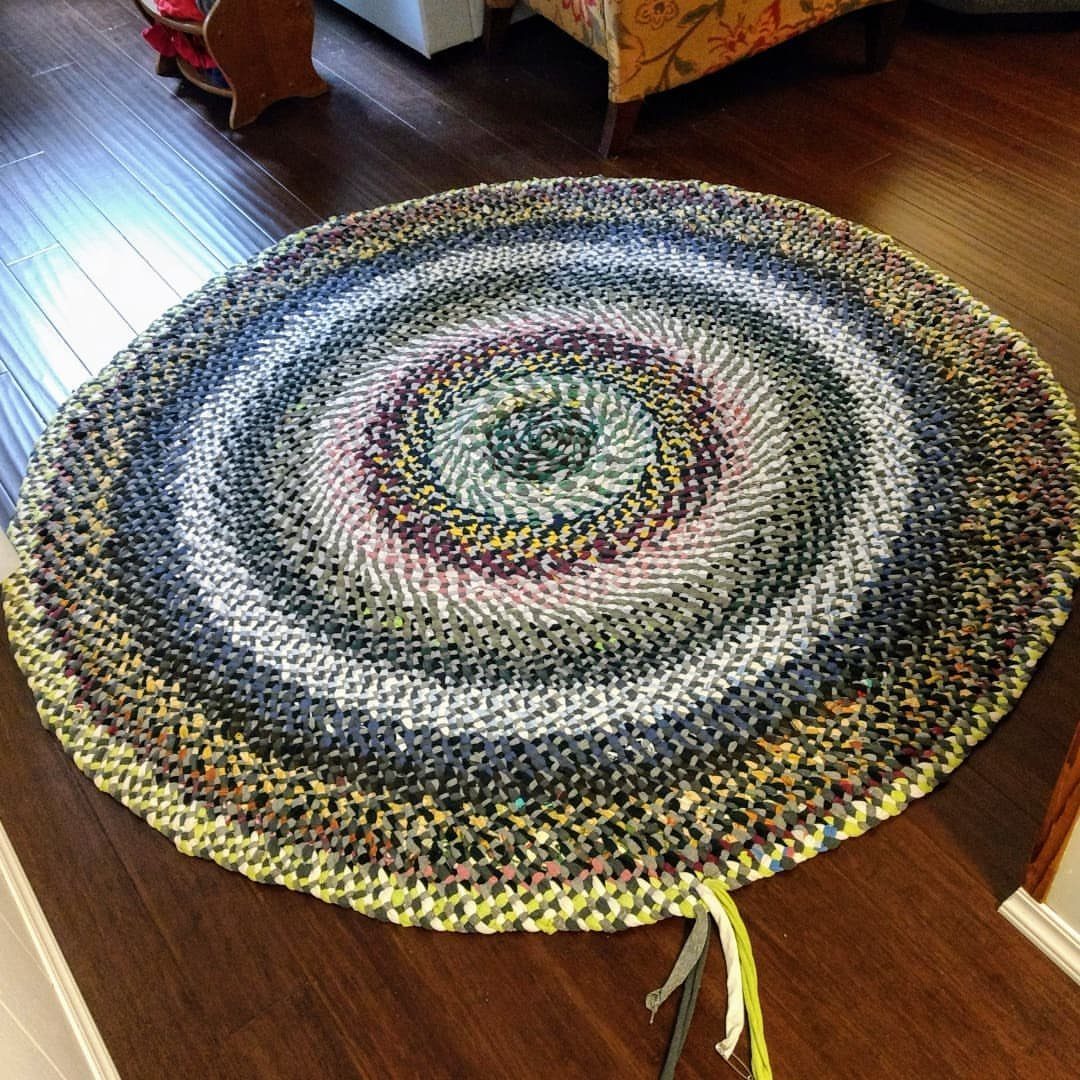
Braid 3 strips of fabric together, then coil and sew the braid flat to build up a rug from the center outward.
This one needs no tools beyond a needle and thread, which makes it a good starting point if you have fabric but no loom or crochet hook.
Cut your fabric into strips about 2 inches wide.
Braid them tight, add new strips as you run out, and hand-stitch the braid to itself as you spiral. The tighter the braid, the denser the finished rug becomes.
2. Woven Rag Rug
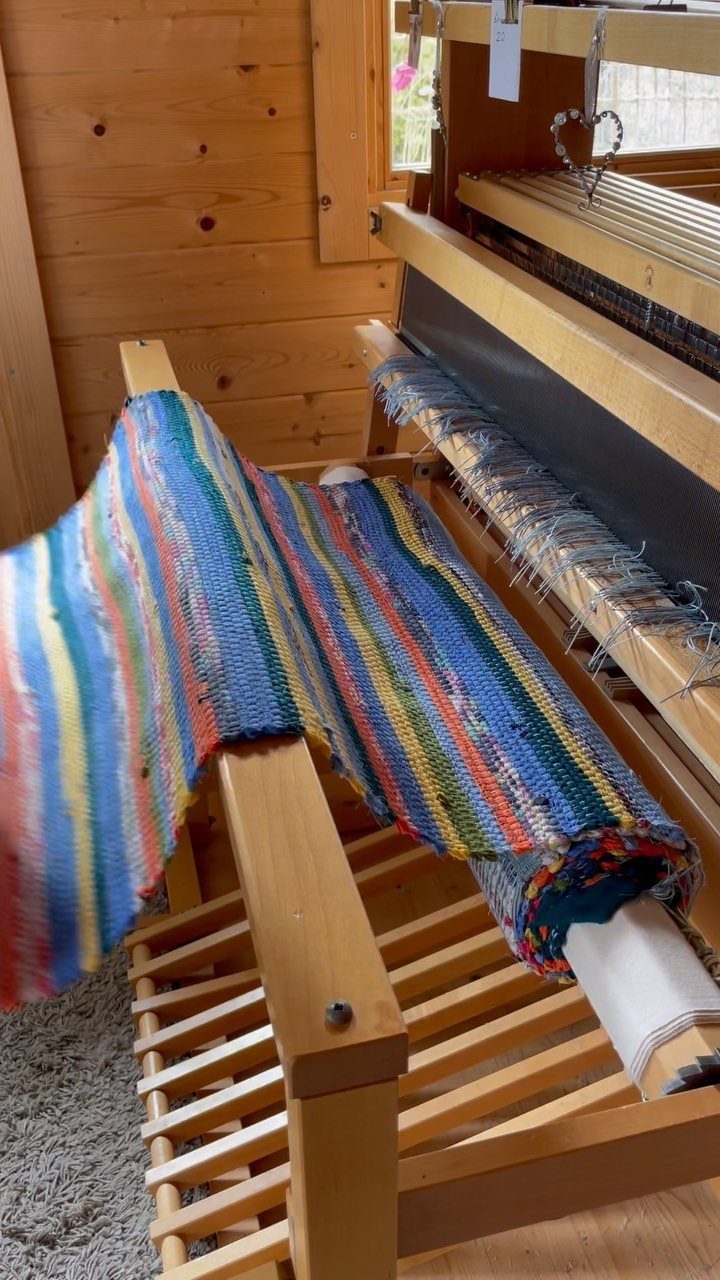
Set up a warp of cotton yarn on a loom, then weave fabric strips through it as the weft. The loom holds the tension, and the warp spacing controls how tightly the fabric packs in.
You need a floor loom or frame loom wide enough for the rug you want.
I slice the fabric into strips and feed each one through the shed, filling the rug row by row. This method gives you straight edges and a rug that holds its shape without much finishing work.
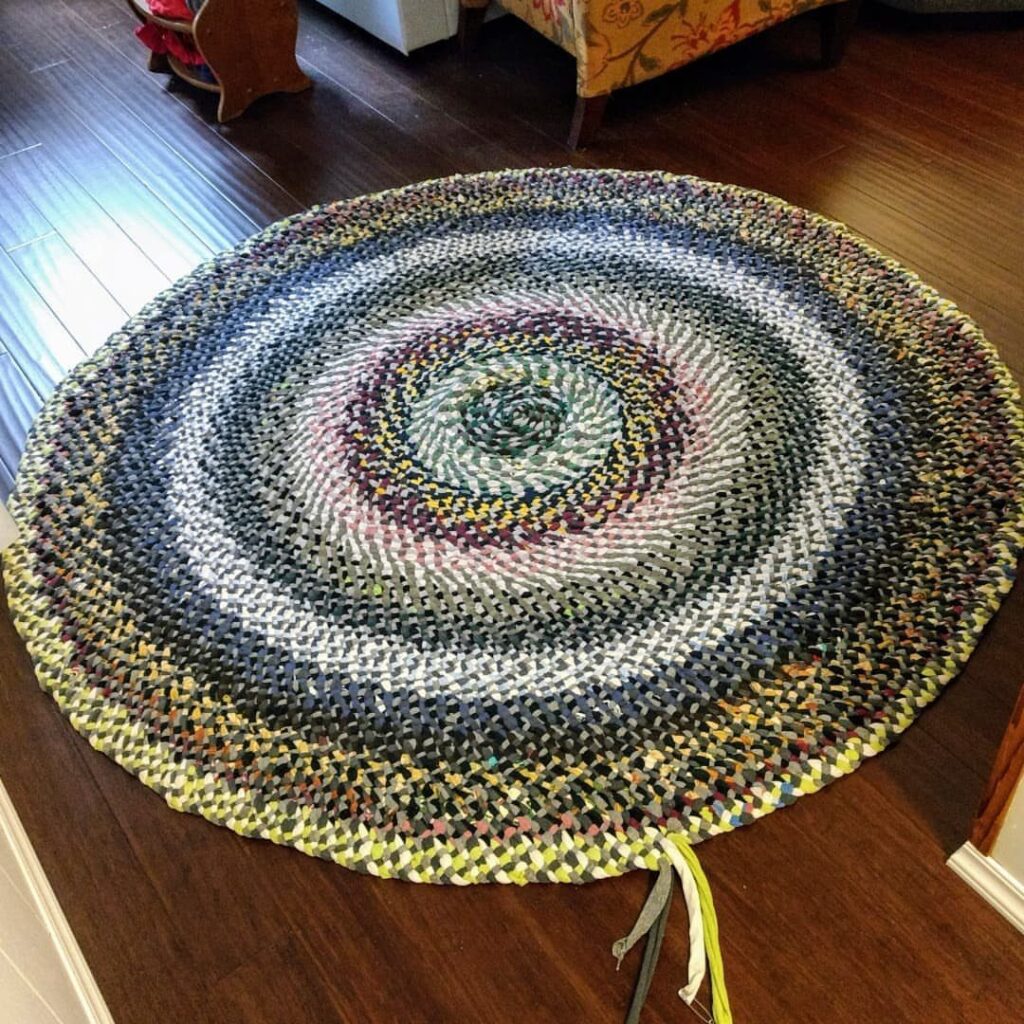
3. Circular Rag Rug
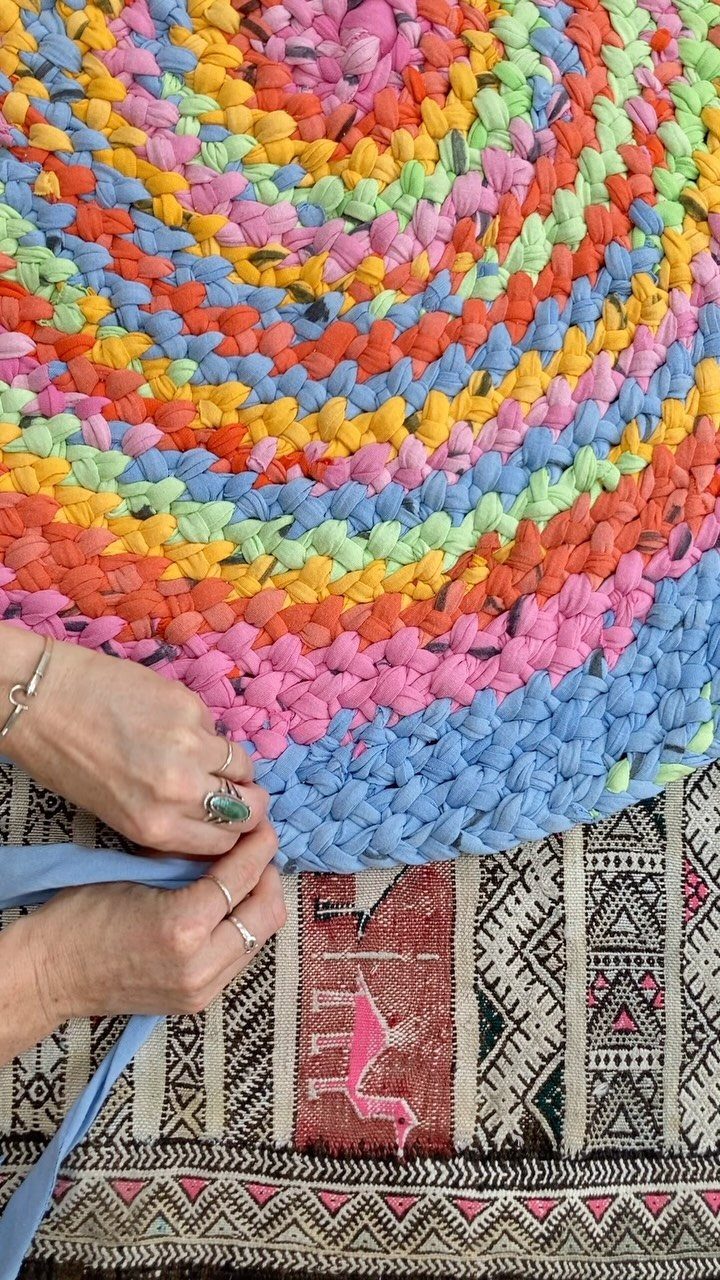
A round rug built from braided or coiled fabric strips gives you a shape that fits beside a bed or under a table. Start in the center and work outward, adding rows until the diameter matches the space.
Braiding keeps the edges neat and the surface flat.
Sew each row to the one before it with heavy thread, pulling the stitches snug so the rug does not buckle. The finished size is limited only by how much fabric you have.
4. Rag Rug Runner
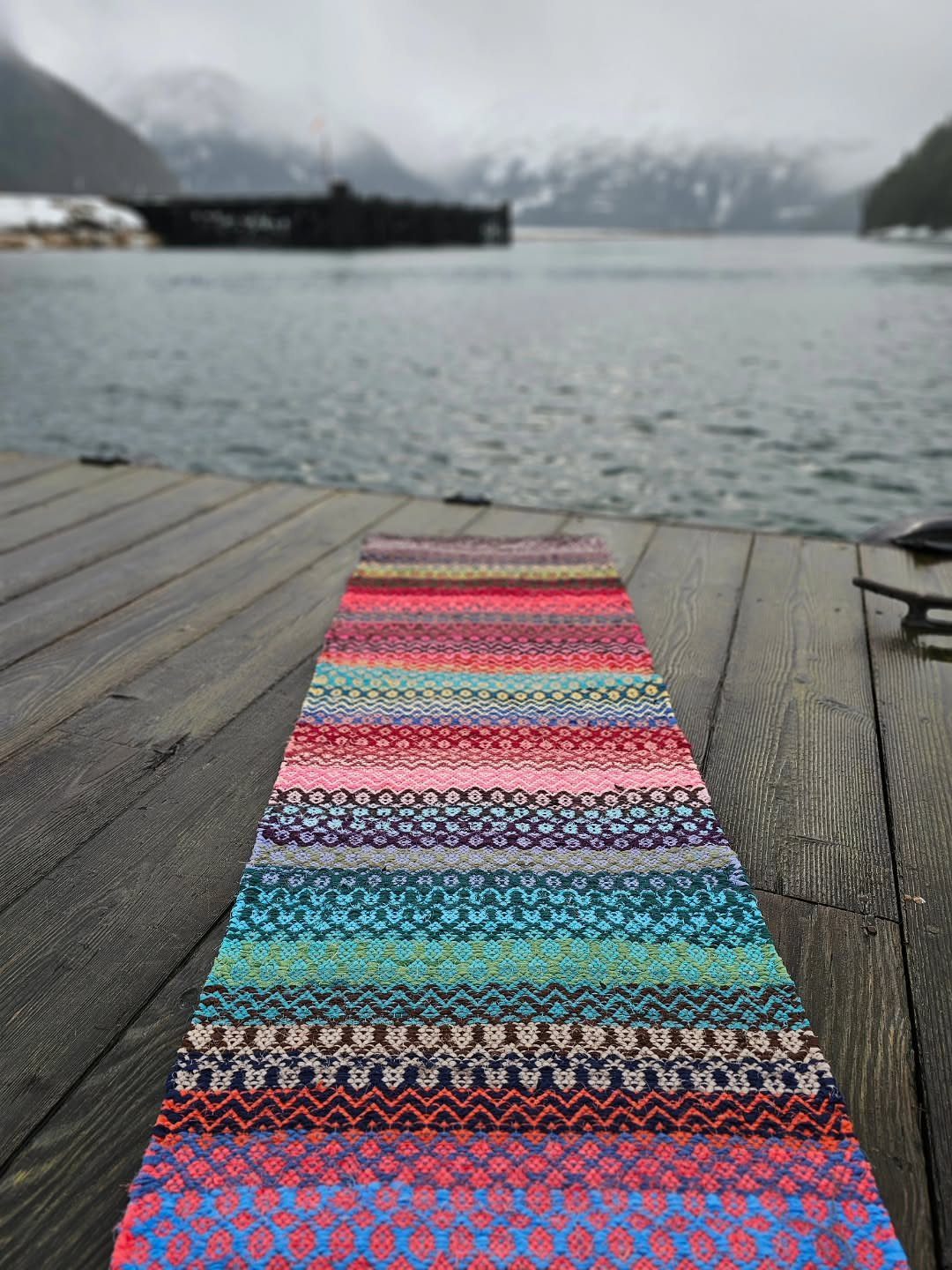
A runner version gives you a long, narrow rug for a hallway or kitchen. Weaving on a loom works well here because it holds the shape straight without extra effort.
Set your warp length to match the runner size you need, then weave fabric strips through it. The warp keeps the edges parallel, and the finished rug lies flat without needing a backing.
If you do not have a loom, you can braid or crochet a runner, but it takes more finishing work to keep it from twisting.
5. Crocheted Rag Rug
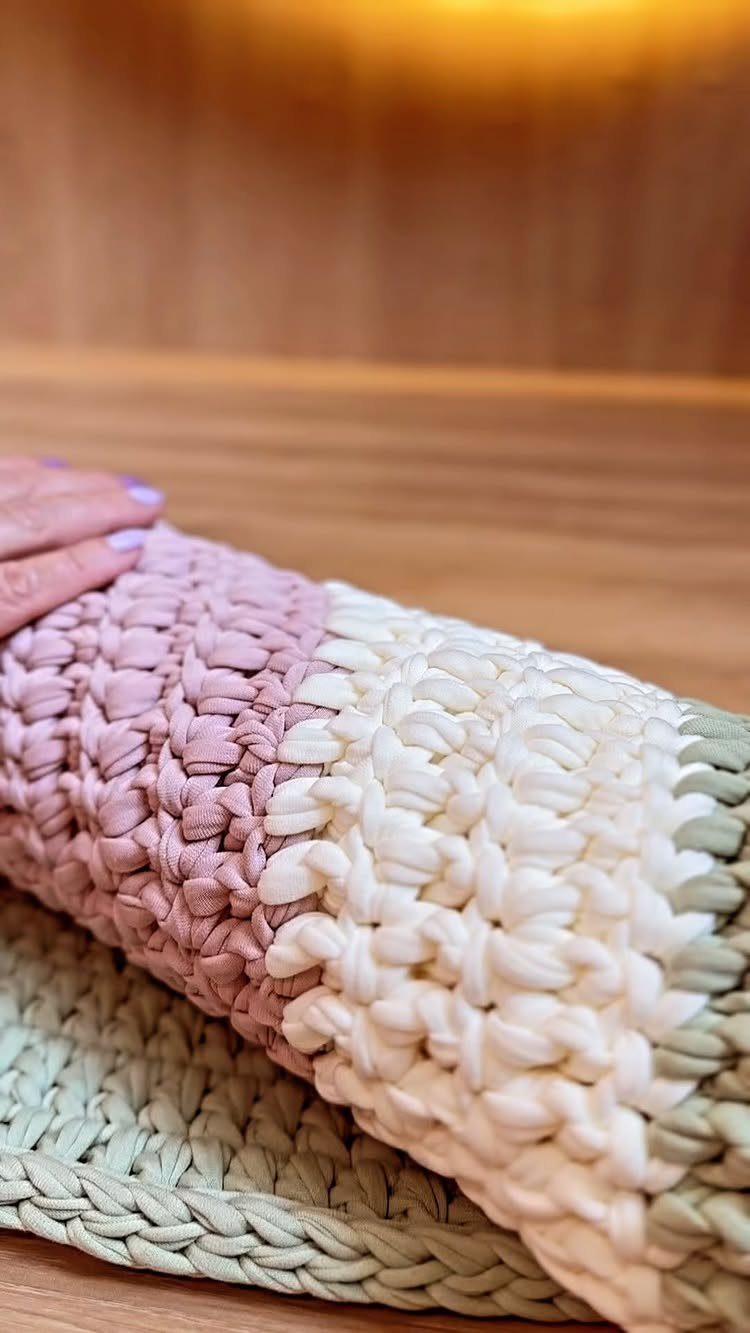
Crochet thick fabric strips into a rug using a large hook, building up rows or rounds to the size you need.
Slice your fabric into strips and crochet them the way you would work with yarn.
A size Q or larger hook handles the bulk. Single crochet works well for a dense, flat rug, and the fabric weight gives it some heft underfoot.
Prevent Curling and Rippling
The most common problem with a braided or crocheted rag rug is edges that curl up or a center that bowls.
This happens when you braid or sew too tight. The fabric wants to lie flat, but tension pulls it into a dome.
Lay it flat on the floor while you work so you can see any ripple forming.
If a finished rug has already curled, wet it completely, stretch it flat on a board, and nail or pin the edges to hold the shape.
Let it dry that way. The fabric will set flat once the water evaporates.
For woven rugs, a strong warp is what keeps the whole piece flat and stable.
Old rag rugs fail at the warp first, so pick something that can handle the tension and the beating. A temple helps keep the selvedges even when you pack the fabric strips in tight.
Choose and Prepare Fabric
Old bed sheets from a thrift store give you the most fabric for the least money, and the prints add pattern without extra work.
Woven cotton works better than knits because it holds its shape and does not stretch as you braid or weave.
Run thrifted sheets through a wash cycle before cutting to remove sizing and shrink the fabric.
Wider strips make a chunkier rug, narrower ones give you more control. Thick flannel can be hard to work with, especially for crochet, so cut it narrower if you use it.
Fold each strip end back about a quarter inch, then cut a small slit right through that folded section.
Overlap 2 slits, thread the top strip up through both openings, and pull until the join locks tight. Keep joining until you have a ball large enough to work with.
Sewing and Rug Safety
If you sew a braided rug by machine, use a needle rated for denim and ordinary thread.
That combination works for most fabric weights. Thick braids can cause skipped stitches, so test a short section first and adjust your tension if the machine struggles.
A finished rag rug can slide on hard floors and become a tripping hazard. Put a non-slip mat underneath to keep it in place, especially in high-traffic areas like hallways or kitchens.
Frequently Asked Questions
How to make a handmade rug?
Start with 3 fabric strips roughly 2 inches across, braid them tight, then spiral the braid from the middle and stitch each loop to the row inside it.
This method needs no loom or crochet hook, just fabric and basic hand-sewing supplies. You can also crochet fabric strips with a large hook or weave them on a loom if you have one.
What is the best type of loom for weaving rag rugs?
A floor loom or frame loom wide enough for your finished rug size works best because it holds the warp tension steady and keeps your edges straight.
Your warp thread has to take the force when you beat heavy fabric through without snapping or sagging. A temple stops your edges from pulling in when you pack rows close.
Are rag rugs machine washable?
Toss it in the washing machine on a normal cycle, same as you would a load of bath towels. Cold water does the job for routine washes, hot if something needs it, and either air dry or tumble.
Can you use old towels?
Yes, old towels work for a rag rug, though thick terry cloth can be hard to push through a sewing machine.
If the braids are too bulky for machine sewing, hand-stitch the rows together instead. Cut towels narrower than you would sheets to manage the extra bulk.
What size needle do you use to zigzag, and what kind of thread?
A denim-rated needle and ordinary sewing thread handle most fabric weights for braided rag rugs.
Test a short section first if your fabric is especially thick, and adjust the tension if you see skipped stitches. That combination works for machine sewing the coiled rows together.
Why does my sewing machine skip stitches?
Thick braids are the usual cause of skipped stitches when you sew a rag rug.
Run a test strip and dial your tension in, or finish by hand if the needle still won’t cooperate. A denim needle and a slower speed can also help with bulky fabric.
What kind of sheets can I use?
Thrift store cotton bed sheets give you yards of fabric cheap and stay put better than jersey knit. Flannel sheets work but are harder to braid and crochet because of the thickness, so cut them narrower if you use them.
Do I need a sewing machine to make this rag rug?
No, you can make a braided rag rug with just a needle and thread, or crochet one with a large hook and no sewing at all.
A machine speeds up the work if you have one, but hand-sewing the coiled braid together works fine and gives you more control on thick sections.