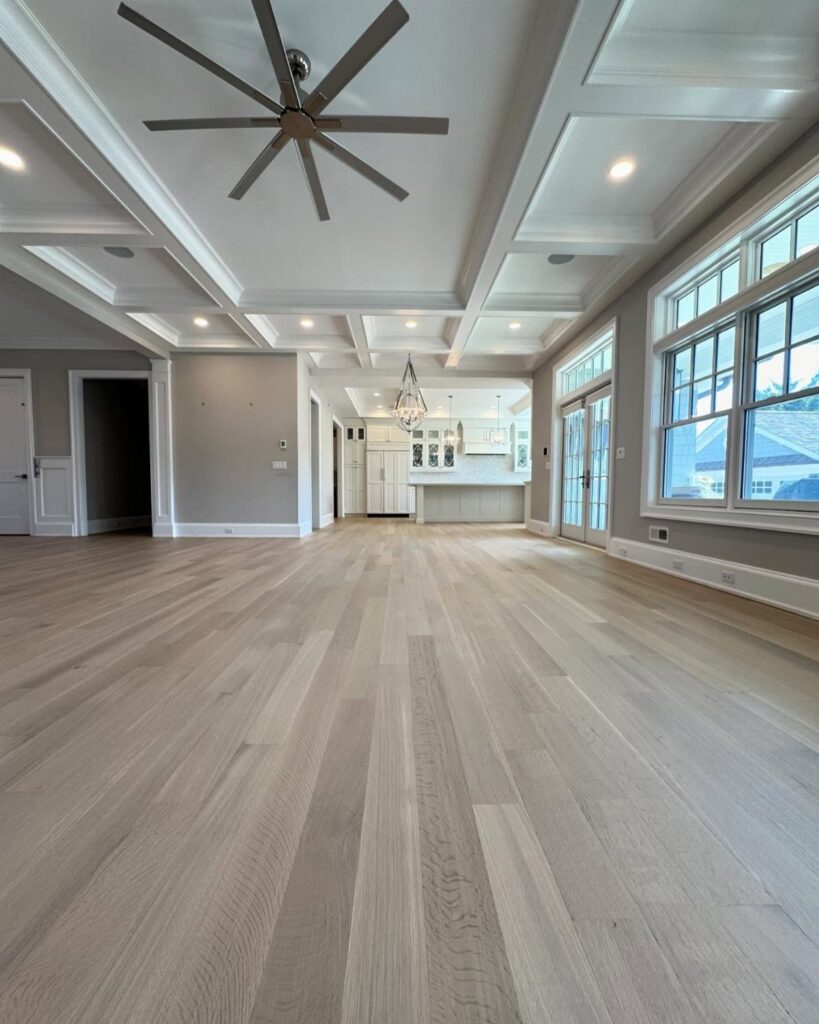
Prices run from a few dollars per square foot for laminate to over ten for wide plank hardwood that needs a week to acclimate before you nail it down.
How wet your actual house gets matters more than whether the boards look like driftwood. Solid hardwood warps the first time a storm surge hits the living room; ceramic tile handles wet feet and salt air without swelling or cupping.
1. Engineered Hardwood Flooring
Engineered hardwood gives you the grain and warmth of real wood without the warping that solid planks suffer near the coast.
The plywood base underneath keeps the surface stable through humid summers and dry winter heating, which matters more the closer your house sits to the water.
I would put this in bedrooms or upstairs hallways rather than entryways where wet boots land. It resists moisture but it is not waterproof, and sand tracked in acts like fine grit paper if you do not sweep regularly.
The bleached, weathered finishes that read as coastal style come standard in most lines now, so you do not have to fight the color to get the look.
Budget runs from cheaper domestic lines to pricier imports with thicker wear layers. The thicker the top veneer, the more times you can refinish, which stretches the life from maybe a decade or two to several decades.

Tongue and Groove Design: Jeedeson engineered hardwood flooring features a classic tongue and groove construction.

Premium European Oak Construction: 6” wide planks from Flooret’s Silvan Resilient Hardwood Collection. Crafted from sustainably sourced European white oak for timeless character and strength.
2. Wide Plank Hardwood
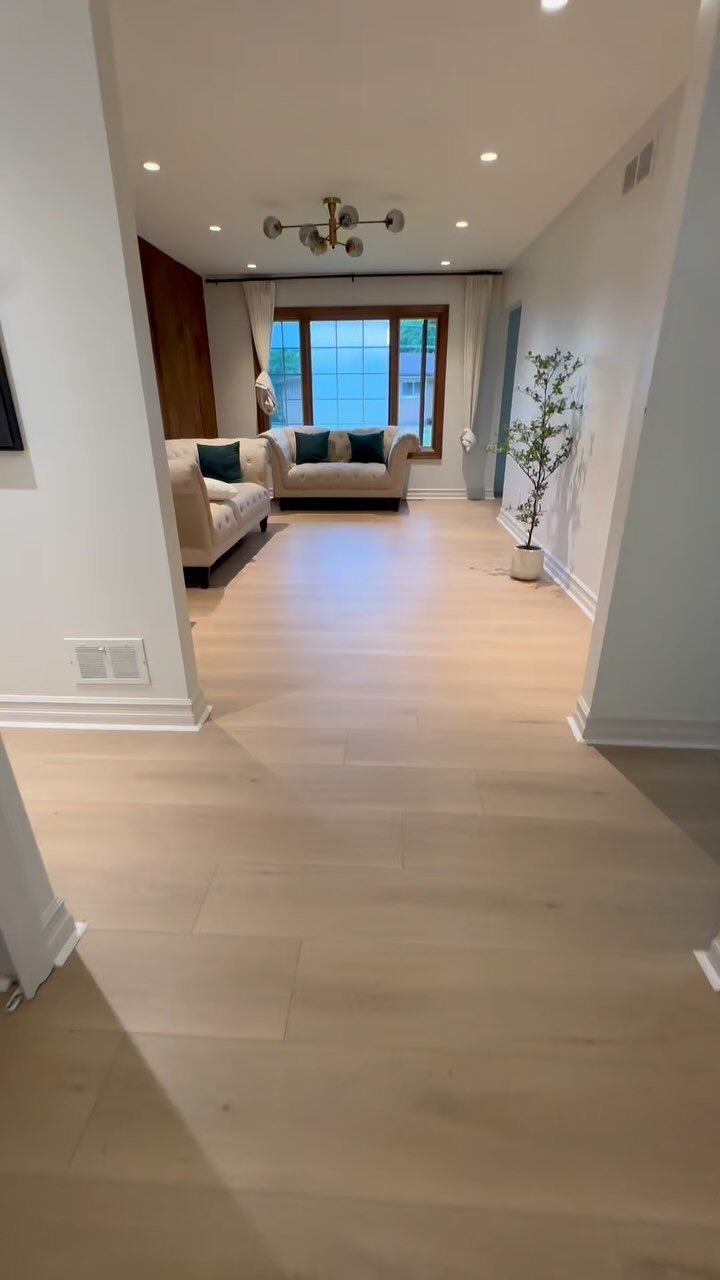
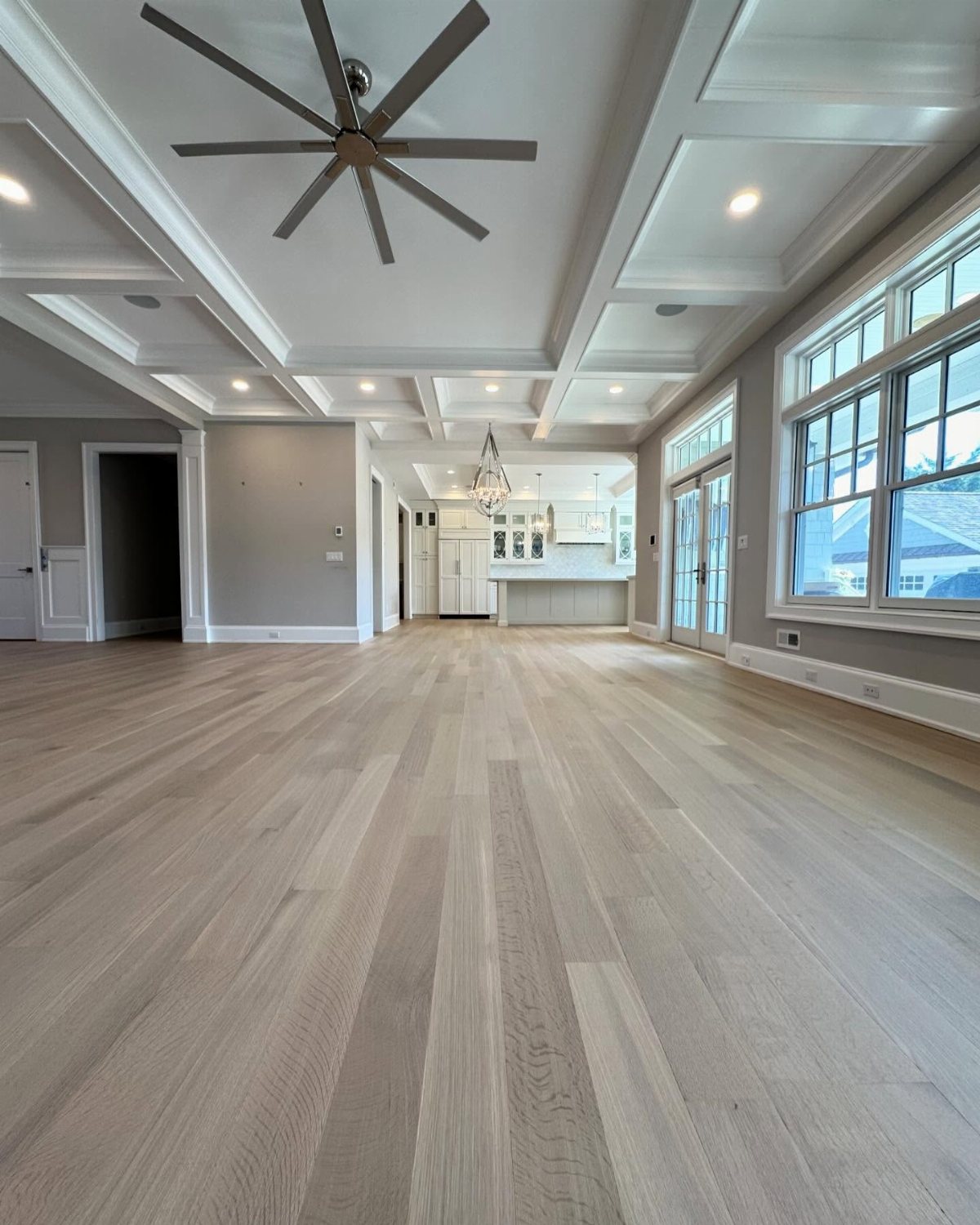
Wide plank hardwood runs fewer seams across your floor, which means fewer lines for sand to settle into and less visual busyness in an open room. Wide planks suit big living areas and long sightlines down hallways.
Solid hardwood like this can be sanded and refinished multiple times, so the floor outlasts whatever finish trends come and go. That matters if you own the house and plan to keep it.
Upfront cost and patience matter: you have to let it acclimate to your house’s humidity before installation, usually a week or more sitting in the space.
I would not put this in a ground-level room that floods or in a rental you manage from two states away.
The sand collects on top rather than grinding in, which makes for easy sweeping, but you still have to actually sweep.
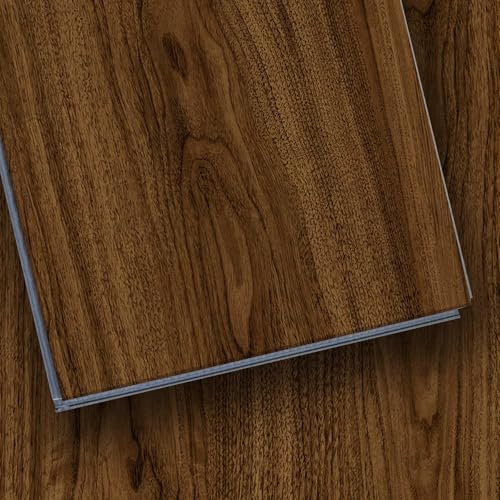
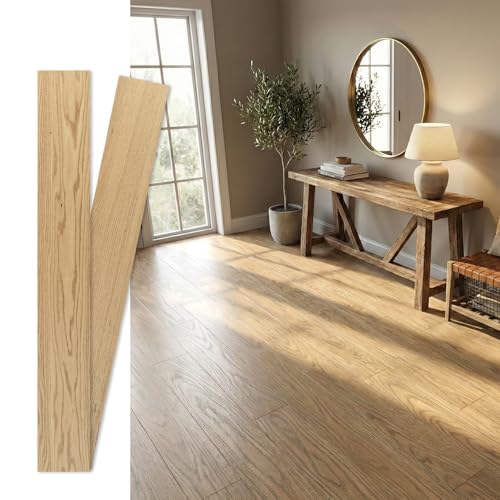
【Ultra-Durable & Pet-Friendly】With a 0.3mm wear layer tested over 15,000 abrasion cycles, this luxury vinyl plank flooring resists scratches, dents, and spills. Ideal for busy homes with pets and kids, it stays beautiful for years even in high-traffic areas.

Premium Design-Led Aesthetic: Authentic wood visuals in extra-wide 9” x 72” planks deliver a high-end, modern finish that elevates any space. Enhanced-Beveled edges highlight each plank for a premium look.

3. Ceramic Tile Flooring
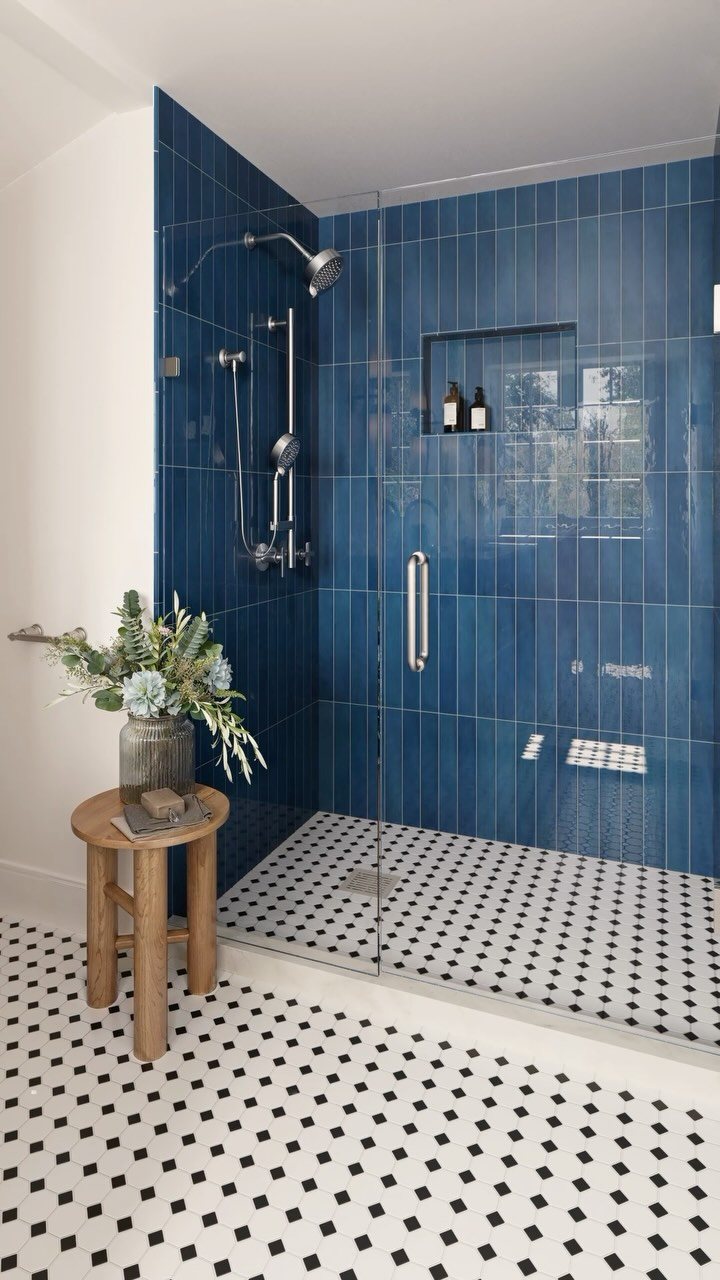
Ceramic tile laughs at wet feet, spilled drinks, and the salt air that corrodes other materials.
Small patterned squares work in bathrooms, but the same material comes as large planks that mimic wood grain if you want continuity with the rest of the house.
The cool surface is a genuine relief in August when everything else radiates heat. Maintenance is nearly nothing: damp mop and done.
Sand does not embed, stains do not penetrate, and if a tile cracks, you pry up one piece rather than refinishing a whole room.
I would run this in entries, kitchens, bathrooms, and any rental property where guests treat your house like a hotel. The grout lines need occasional scrubbing or sealing, and bare feet on cold mornings is the tradeoff you accept.

Comes with a Box of 5 Sheets Real Porcelain Pebble Tiles. NOT peel and stick fake tiles. Colors blue brown and beige.

Natural Himalayan Salt: Each tile is carved from 100% pure Himalayan salt, giving authentic mineral color and natural texture for a unique, high-quality finish.

AUTHENTIC HIMALAYAN WHITE SALT TILES: Crafted from genuine Himalayan rock salt sourced from the Himalayan Mountains, each 8" x 4" x 1" tile features natural white crystal tones and unique mineral patterns, making every installation one of a kind.
4. Laminate Flooring

Laminate at its best is a photograph of wood sealed under a tough plastic wear layer, which makes it cheap to produce and hard to scratch.
Light coastal oak reads warm and beachy, but the material itself is composite board with that protective top.
The waterproof lines now handle humid air and the occasional puddle, though I would still mop up standing water rather than test the claim.
A special anti-slip coating matters if you have kids or older guests running in from the pool; standard laminate can skate under wet feet.
I used this in a rental once and the sand did no visible damage across three summers. The downside is that you cannot refinish it; once the wear layer goes, the whole floor goes.
For a modest outlay per room, that is a fair bargain.

🏠DETAILS: 15.8x78.8 Inch, total 8.65 sq.ft (40cmX2m) Made of durable thin vinyl, thickness: 0.015 In (0.4MM). Peel and stick wood planks vinyl flooring roll, brown shiplap planks color. Waterproof. Removable.

[Realistic Wood Grain with DIY Options]: With a super realistic wood grain appearance and various color options, these tiles meet personalized decorative needs. They are versatile enough for use in homes or commercial spaces, suitable for shop decoration, rental renovations, and RV flooring projects.

Realistic Wood Look: Get the authentic look of real wood with grain texture. These floor planks blend seamlessly into any decor style, adding a touch of timeless elegance to your home.
5. Cork Flooring

Cork underfoot feels like standing on firm rubber, which your knees notice after a day of walking on hard tile.
The material is literally bark peeled from cork oak trees, so it regrows and you can call it sustainable without stretching.
It resists mold and mildew naturally, which matters in any house where you keep windows open to the sea air. The cellular structure traps air, so the floor stays cooler than wood in summer and warmer than tile in winter.
I would use this in bedrooms and low-traffic sitting areas, not entries or kitchens where dragging furniture or dropping pans dents the surface. Sealing every few years keeps it from staining.

Mohawk Elite hardwood flooring is the ultimate in enhanced and naturally gorgeous visuals for a premium contemporary look. Peanut Oak is a warm blend of golden browns, rich and invigorating. Plank has hand beveled edge.

Showcase the look of hardwood with rigid core performance: The Indoor Delight collection features the wood look, easy to clean, scratch resistant, sound tested.

Showcase the look of hardwood with WPC performance: The Seaside Summit Vinyl Flooring Collection brings coastal-inspired style with the oak hardwood look. Waterproof, easy to clean, indent resistant, sound tested.
6. Low Pile Carpet

Low pile carpet has short, dense fibers that sand falls onto rather than sinking into, which makes vacuuming actually effective. Herringbone pattern adds texture without demanding attention, a quiet choice for stairs or a guest bedroom corner.
I would keep this to low-traffic spaces and never put it in a bathroom, laundry, or entry where wet feet land. Even the best carpet holds moisture and grows musty if the air stays damp.
Commercial-grade versions hold up better than residential if you need it in a hallway or kids’ bunk room.
The real use case is sound absorption and softness underfoot where you want to feel at home rather than in a rental.
If your beach house is mostly hard surfaces, a small carpeted zone by the beds or on the stairs makes the place livable in winter.

5MMthickness (4MM rigid core + 1MM ixpe pad) x 7in. width x 48in. length.20 mil wear layer vinyl plank flooring. 100% Waterproof.10 vinyl planks per case. 23.9 sq. ft. per case
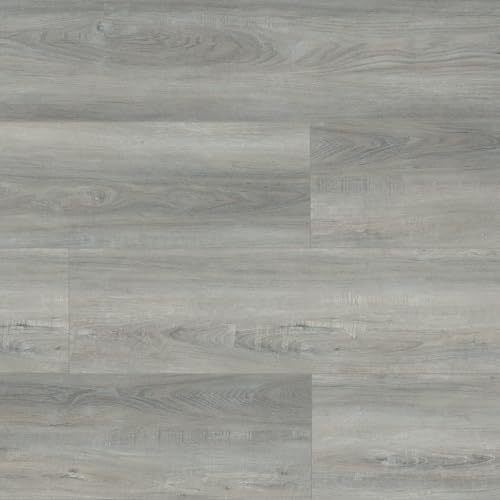
【Designer Styles】:The 3D printing embossing technology of dotfloor flooring captures the true texture of natural materials with 99% realistic visuals. From warm neutrals to bold statement tones, the variety of colors allows you to achieve a customized look without breaking the bank.

REALISTIC WOOD LOOK: Featuring luxury wood-grain texture, micro-bevel edges, and HD film prints, these luxury vinyl planks perfectly replicate real hardwood floors with a fraction of cost of wood flooring.
7. Luxury Vinyl Plank Flooring

Luxury vinyl plank gives you the look of wide oak boards without the panic when wet swimsuits hit the floor.
The planks lock together in a floating layer over concrete or plywood, and the wear layer on top shrugs off sand tracked in from the beach.
I would run the planks through the whole open space, kitchen to living room, rather than breaking it up with different materials.
Light driftwood or pale walnut planks keep a room feeling bigger under vaulted ceilings, and that color hides the film of dust that settles fast near sand.
The subfloor is the real issue: any bump or dip telegraphs straight through, so prep matters more than with tile. Spend the first day on leveling, not laying.
Coretec’s Angels Landing is one line that gets this balance right, but most brands now have a 20-mil wear layer option worth the slight upcharge for a rental or busy house.

AUTHENTIC HIMALAYAN WHITE SALT TILES: Crafted from genuine Himalayan rock salt sourced from the Himalayan Mountains, each 8" x 4" x 1" tile features natural white crystal tones and unique mineral patterns, making every installation one of a kind.

AUTHENTIC HIMALAYAN WHITE SALT TILES: Crafted from genuine Himalayan rock salt sourced from the Himalayan Mountains, each 8" x 4" x 1" tile features natural white crystal tones and unique mineral patterns, making every installation one of a kind.
Durability and Maintenance
Natural hardwood at the coast needs periodic sealing and finishing to survive moisture, stains, and sun damage, which is why I rarely recommend it for beach homes.
Stain-resistant materials make spilled wine or tracked-in mud easier to lift without permanent marks.
The less time you spend maintaining floors, the more time you actually live in the house. I look for surfaces that need only a quick sweep or damp mop, not annual treatments or special cleaners.
Engineered hardwood, ceramic tile, and luxury vinyl plank all fit that brief.

LUXURY WOOD-LOOK FLOORING: Authentic natural wood grain self-adhesive vinyl planks bring classic warm vibes to quick home refreshments and match all mainstream home decor themes

[Realistic Wood Grain with DIY Options]: With a super realistic wood grain appearance and various color options, these tiles meet personalized decorative needs. They are versatile enough for use in homes or commercial spaces, suitable for shop decoration, rental renovations, and RV flooring projects.

Realistic Wood Look: Get the authentic look of real wood with grain texture. These floor planks blend seamlessly into any decor style, adding a touch of timeless elegance to your home.
Aesthetic Appeal
Coastal flooring works best when it borrows from what is already outside. Bleached or sun-soaked wood tones, light oak, whitewash, and gray-washed finishes give that classic beach house feel without fighting the light.
Driftwood textures that mimic weathered boards bring in more drama if you want the floor to be the statement.
Neutral bases in beige, sand, or light gray stay quiet enough that your furniture and textiles do the talking. Wide planks emphasize grain and texture, a modern tilt on an old idea.
I would pick light, airy colors in rooms with big windows and vaulted ceilings; the floor reflects daylight rather than swallowing it.
Foot Traffic Considerations
Entryways and kitchens take the most punishment, so I put the toughest materials there. Waterproof tile or luxury vinyl plank handles wet boots, sandy paws, and the rush of people coming in from the beach.
Bedrooms and upstairs corners can take softer, warmer surfaces since the traffic is lighter and the feet are usually bare.
Hallways need thought too. A narrow passage to the back deck becomes a chute for grit every summer weekend.
Any corridor that connects outdoors to in should get ceramic or vinyl underfoot, while cork or low-pile carpet works better in spaces where people linger rather than pass through.

Authentic Wood Look: True classic Color. Blonde Oak blends sun-kissed blonde tones with elegant character. Featuring the rich texture and natural hues of oak, it seamlessly complements both traditional and modern interiors

100% Waterproof WPC – Great for Kitchens, Basements & Bathrooms

Premium Design-Led Aesthetic: Authentic wood visuals in extra-wide 9” planks and 72” lengths deliver a high-end, modern finish that elevates any space. Micro-beveled edges for a clean, seamless look.
Water and Sand Resistance
Sand finds every gap, and salt water leaves residue that eats at finishes not built for it. Moisture-resistant materials with sealed surfaces keep both from getting underneath where the real damage happens.
Abrasive grit on a wet shoe acts like sandpaper if the top layer is not tough enough.
I would check that the wear layer rating matches how hard you use the house. A rental or full-time beach place needs more protection than a cottage visited twice a year.
Frequently Asked Questions
What is the best flooring for a beach house?
Luxury vinyl plank, ceramic tile, and engineered hardwood are the top choices.
Tile in the entry takes wet feet and salt air without any trouble, vinyl stands up to sand tracked through the living room while keeping a wood look, and engineered hardwood won’t swell or shrink when the humidity swings between August and January.
My own mix would be tile at every door and in the kitchen, vinyl across the open living areas, and engineered wood for bedrooms and the upstairs hall.
What is the most trending flooring right now?
Luxury vinyl plank and large-format tile are what manufacturers and installers push hardest right now.
The vinyl has moved far past the thin sheets of decades ago; modern planks lock together, carry thick wear layers, and mimic wood grain well enough to fool a quick glance.
Tile has grown to plank sizes that run continuous across rooms, which reads cleaner and more modern than small squares.