
These ideas run from wide-plank hardwood you can source yourself to brass-inlaid herringbone that needs a CNC-equipped shop, and the deciding factor is how long you plan to stay in the home.
A weekend timeline gets you brushed oak or wide-plank hardwood; a full renovation with a flooring contractor opens up wood-and-marble inlay or terrazzo that lasts decades.
The 7-inch boards alone show how much scale matters, since the same species at standard width reads as an entirely different room.
1. Wide-Plank Hardwood Flooring

Wide planks change how a whole room breathes. At 7 inches or more, each board carries more grain and fewer seams, so the floor reads as one continuous surface rather than a grid of strips.
European oak and walnut are the species I see most often in high-end installs; the grain runs long and the tone stays even.
This suits anyone with a large living room that feels chopped up by too many visual breaks.
The boards cost more per square foot than standard planks, and the install takes longer because each piece is heavier and harder to level.
If your space runs smaller, scale down the plank width rather than forcing a board that overwhelms the room.

Genuine French Oak Construction: Crafted from authentic French Oak, offering natural elegance and character.

One 10" Sample Piece of Hurst Hardwoods European French Oak Prefinished Engineered Hardwood Flooring from The King's Table Collection

One 9" Sample Piece of Hurst Hardwoods European French Oak Unfinished Engineered Hardwood Flooring
2. Ceramic Tile

Ceramic tile lets you build a floor that does not look like anyone else’s. The color range runs from warm sand to near-black, and the surface can carry pattern or stay flat.
For a living room that sees heavy traffic, the hardness rating matters more than the color. Porcelain-grade ceramic resists chipping and staining; matte finishes hide dust better than polished ones.
The tile also pairs with underfloor heating, which turns a cool surface into something you want to walk on barefoot.
In hot climates, the thermal mass works in your favor. In cold ones, budget for that heating system or the floor stays unwelcoming half the year.
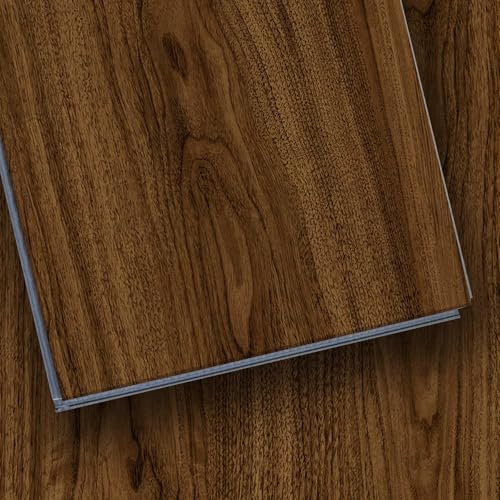
【Ultra-Durable & Pet-Friendly】With a 0.3mm wear layer tested over 15,000 abrasion cycles, this luxury vinyl plank flooring resists scratches, dents, and spills. Ideal for busy homes with pets and kids, it stays beautiful for years even in high-traffic areas.

THIS IS A FLOORING SAMPLE - Cut from an actual full-size plank so you can see the true color and texture before ordering.

THIS IS A FLOORING SAMPLE - Cut from an actual full-size plank so you can see the true color and texture before ordering.
3. Large-Format Porcelain Tile

Large-format porcelain starts big on the short side and runs up from there. Fewer grout lines mean the floor looks poured rather than pieced, and the surface can mimic marble, concrete, or limestone without the upkeep those materials demand.
Open living areas benefit most. A single visual plane stretches from kitchen to sofa to window wall, and the tile’s density handles the traffic of a space that never really closes off.
A matte finish keeps the gloss from competing with the light coming through those glass doors.
Install requires a flat subfloor; any dip telegraphs through a big tile. The cost sits below natural stone but above standard porcelain, and the weight means you need a crew that can handle oversized pieces without lippage.

Indoor radiant heating: Electric radiant floor heating mat designed for indoor residential applications. 120V System Compatibility: 120V underfloor heating system compatible with SunTouch thermostats.
Indoor radiant heating: Electric radiant floor heating mat designed for indoor residential applications. 120V System Compatibility: 120V underfloor heating system compatible with SunTouch thermostats.
Indoor radiant heating: Electric radiant floor heating mat designed for indoor residential applications. 120V System Compatibility: 120V underfloor heating system compatible with SunTouch thermostats.
4. Marble Natural Stone Flooring

Marble floors carry a warmth that porcelain has not managed to copy. The golden tone comes from the stone itself, not a surface glaze, so the color stays true even where the polish wears.
Travertine runs more rustic, granite harder and colder; this particular warmth is marble’s territory.
The maintenance is real. Acid etches the surface, grit scratches it, and the polish needs refreshing every few years in a high-traffic room.
Sealing helps but does not eliminate the work.
I would only commit to this in a formal living room that sees controlled use, not the main path between kitchen and backyard. The investment shows, but only if the floor stays intact enough to display.

8x8 Matte Porcelain Square Tile: Oasis Tile Geometric Calm Eco Green is a green matte porcelain floor and wall tile with a timeless, classic look. Dense, low-absorption porcelain resists moisture, stains and daily wear.

Elegant marble veining available in five timeless colors

Stunning Azurite Hexagon Mosaic Tile: Luxurious blue porcelain tile measuring 10 x 11 inches, perfect for adding elegance to any space.
5. Herringbone Patterned Flooring

Herringbone and chevron read as custom work even when the material itself is standard.
The pattern comes from how the boards or tiles meet at an angle, creating a zigzag that pulls the eye across the floor and makes the room feel larger than its footprint.
The layout suits a defined sitting room better than an open family space that bleeds into breakfast and kitchen. The visual rhythm needs room to complete itself; cut short by a threshold, it looks interrupted rather than intentional.
Hardwood, stone, and porcelain all take the pattern, though wood shows the joint lines most clearly.
Installation costs more than straight plank because every cut is angled and waste runs higher. For resale, herringbone is the safer choice; chevron’s sharper geometry can feel dated faster.

One package contains 10 tiles that each measure .06-in in depth. Each tile measures 12 x 12 inches


DURABLE MATERIAL: Ceramic tiles are crafted from natural clay and minerals, fired at high temperatures for long-lasting strength and resilience.
6. Natural Oak Brushed UV Lacquered Flooring

Brushed oak with a UV lacquer finish gives you the texture of hand-worked wood without the vulnerability of oil.
The brushing raises the grain so light catches it, and the lacquer layer sits on top rather than soaking in, which means spills pool instead of penetrating.
At 14mm thick, this engineered board has enough real oak to sand once or twice if the surface scars. The wide, random lengths avoid the repeating pattern that makes cheap flooring look like a photograph of wood.
It floats or glues down, and the compatibility with underfloor heating matters in climates where bare wood would feel cold half the year.
The natural tone works with both warm and cool wall colors, which is why I see it so often in open plans where the living room needs to agree with a kitchen already chosen.

One 10" Sample Piece of Hurst Hardwoods European French Oak Prefinished Engineered Hardwood Flooring from The King's Table Collection

One 10" Sample Piece of Hurst Hardwoods European French Oak Prefinished Engineered Hardwood Flooring from The King's Table Collection

One 10" Sample Piece of Hurst Hardwoods European French Oak Prefinished Engineered Hardwood Flooring from The King's Table Collection
7. Terrazzo Tile

Terrazzo tile brings back a material I mostly saw in old school hallways, but the new versions feel completely different. The chips are larger, the colors are quieter, and the overall effect reads as texture rather than pattern.
The surface is impervious to impact and stains, which matters when the living room sees daily traffic.
Installation needs to be right; gaps or uneven polishing ruin the look fast. Once set, though, this floor lasts decades with basic care.
I’d point this toward households with kids, dogs, or anyone who wants something distinctive without committing to a bold color.

THIS IS A FLOORING SAMPLE - Cut from an actual full-size plank so you can see the true color and texture before ordering.

THIS IS A FLOORING SAMPLE - Cut from an actual full-size plank so you can see the true color and texture before ordering.

THIS IS A FLOORING SAMPLE - Cut from an actual full-size plank so you can see the true color and texture before ordering.
8. Wood and Marble Inlay Flooring
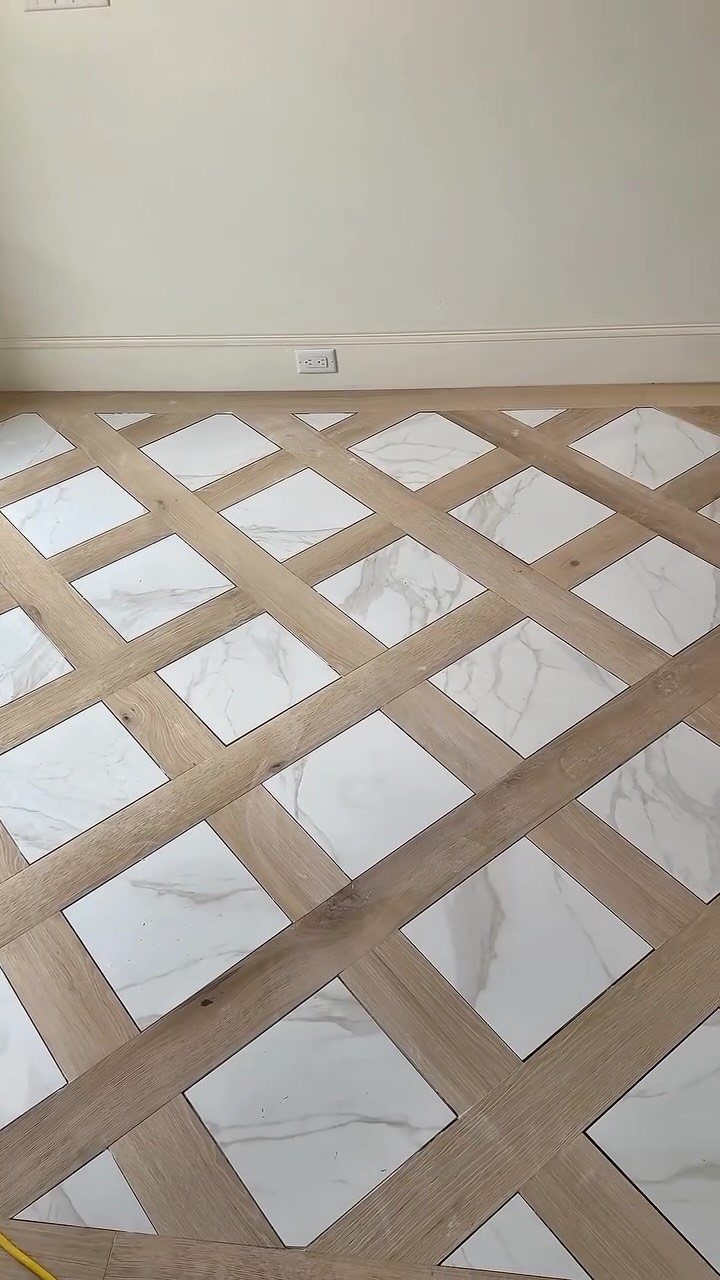
A geometric inlay of white marble-look tiles set inside light wood strips creates a floor that reads as custom without the full custom price tag.
The diamonds or squares break up the expanse of a large living room better than either material alone.
Wood and stone respond differently to humidity, so engineered hardwood makes the safer choice for the wood portions. It gives the visual warmth of timber with more stability against swelling or gapping.
The install is not a weekend project. The pattern has to be mapped, the cuts are precise, and one misaligned strip throws off the whole field.
This suits someone planning to stay in the home long enough to justify the labor, or a buyer working with a flooring contractor on a full renovation.
Indoor radiant heating: Electric radiant floor heating mat designed for indoor residential applications. 120V System Compatibility: 120V underfloor heating system compatible with SunTouch thermostats.
Indoor radiant heating: Electric radiant floor heating mat designed for indoor residential applications. 120V System Compatibility: 120V underfloor heating system compatible with SunTouch thermostats.
Indoor radiant heating: Electric radiant floor heating mat designed for indoor residential applications. 120V System Compatibility: 120V underfloor heating system compatible with SunTouch thermostats.
9. Wood Herringbone with Brass Inlay
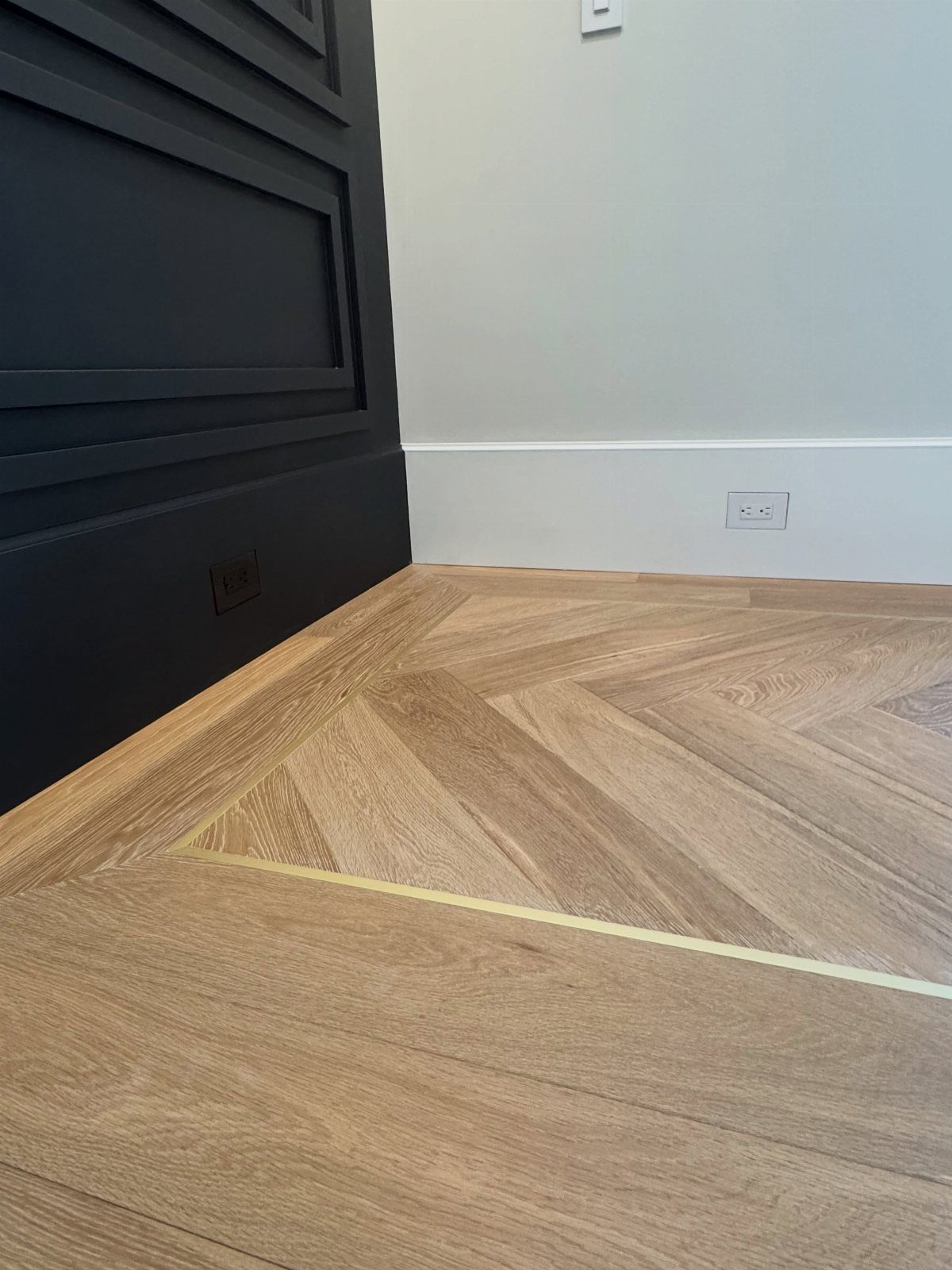
A brass strip running between herringbone wood and straight border planks is a small detail that changes how the whole room feels. The metal catches light differently throughout the day and gives the eye something to follow along the edge.
The herringbone itself is already labor-intensive; adding the inlay means either very steady hand-cutting or a shop with a CNC router. Most homeowners will want this specified and installed by the same crew that sources the materials.
Light brown wood with a warm metallic line pairs naturally with navy or charcoal walls, though I think it would fight against a room full of warm beiges.
This is for someone who wants the floor to be the design statement and is willing to pay for the hours it takes.
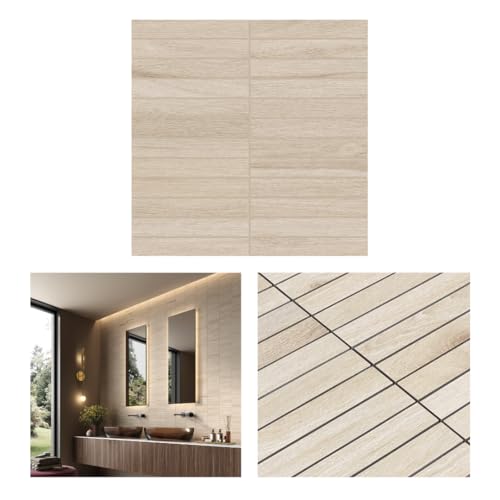
Premium Porcelain Mosaic Tile: Crafted from high-quality porcelain with a matte beige finish, delivering a stunning wood-look design that complements any home or office décor.

Coverage: One 12x12-inch mesh-mounted sheet = 1 sq ft — order by square footage and add 10% overage.

Includes 12 Pieces per Case | 5.16 Square Ft. Per Case | Case Weight 34.8 lb | TILE SIZE: 8 in. W x 8 in. L x 0.55 in. T
10. Checkered Marble Tile Flooring

A checkerboard of white and reddish-brown marble tiles gives a room immediate structure without needing much else. The pattern itself becomes the architecture.
Marble needs sealing on schedule; without it, the stone stains. The hard surface resists chipping and cracking once protected, which makes it practical despite the luxury association.
The reddish tone here warms what can otherwise feel cold. In a room with cream curtains and natural light, the floor holds its own without demanding attention.
Grout color matters more than people expect. I’d match it closely to the darker tile so the lines define the shapes without shouting.
Best for formal living rooms or anyone who treats the floor as the starting point for everything else.

PREMIUM PORCELAIN CONSTRUCTION – Durable 8x8 inch porcelain tile designed for long-lasting performance in both residential and commercial applications. Suitable for floor and wall installations.

MATERIAL: Made of sturdy, polished natural non-toxic mother of pearl

DESIGNER COLLABORATION- CHRIS LOVES JULIA - Beige tones and the bonneville pattern bring distinctive style and personality to your space.
11. Rich Red-Brown Hardwood Flooring

Rich reddish-brown hardwood carries a warmth that lighter oaks have lost in recent years. The color works with tan leather, dark railings, and white rugs without feeling like a showroom set.
Species like Brazilian cherry or sapele mahogany give this depth naturally, though exotics cost more and travel farther.
The Forest Stewardship Council or Sustainable Forestry Initiative label is worth checking if you go that route, since illegal harvesting is still common in some supply chains.
A glossy finish reflects more light but shows every scratch. I’d consider a satin sheen for a house with active use.
This floor suits someone building around warmth and traditional luxury rather than the cooler palettes that dominate right now.
Choosing the Right Flooring
Durability, maintenance, and style are the three filters I run any living room floor through, in that order. A material that looks perfect but needs sealing twice a year will drain your weekends fast.
Start with how you actually live. High-traffic households need hardwood or laminate that can take the wear; if you want softness underfoot, carpet is the tradeoff.
A rustic room already has the grain and wear built in, so hardwood feels like it belongs there. In a modern space, laminate, vinyl, or tile sit cleaner and don’t compete with the lines.
Maintenance tolerance is honest work; laminate and vinyl ask less of you than stone or solid wood. Budget last, because it is easier to find a cheaper version of a right material than to make the wrong one behave.
Maintenance Tips
Daily sweeping or vacuuming with a soft brush head keeps surface grit from becoming surface damage. For wet cleaning, mild soap in water is enough; anything stronger risks the finish.
The two things that kill a floor fastest are grit walked in from outside and chairs that drag. A rug at the door and felt pads on the legs cost almost nothing and buy you years.
Skip the all-purpose cleaners, even the ones that promise heavy duty. Match the product to the specific material you installed, or you will strip the sealant or cloud the lacquer.
Sealing schedules vary by material, but the principle does not: put it on your calendar before you notice the stain.
Flooring for High Traffic Areas
Luxury vinyl tile and plank belong in this conversation more than they used to. The high-end versions now come in colors and patterns that read as stone or wood, and they feel warmer underfoot than ceramic or natural stone.
Porcelain large-format tile handles the same traffic with a harder surface. Italian marble works for living areas that see controlled use; engineered hardwood suits bedrooms better than main paths.
For statement areas, herringbone pattern wood flooring carries the visual weight without the fragility of more delicate materials.
Visual Flow in Open Spaces
In an open layout, the eye travels farther and notices every seam. Bigger planks or larger tiles mean fewer seams catching the eye, so the floor looks like one continuous surface instead of a grid.
Wide plank flooring, at 7 inches or more, grounds a big room with longer continuous lines.
Large-format tile or stone does the same from the other material direction; fewer grout lines mean less visual clutter across the stretch from kitchen island to sofa to window wall. The continuity matters more than the specific material.
Whatever you choose, scale the piece size to the room size: a format that feels calm in a small bedroom will look busy and broken when repeated across 600 square feet of open living area.
Frequently Asked Questions
What is the most luxurious type of flooring?
Natural stone and exotic hardwood are the most luxurious choices. Marble has a warmth that porcelain still hasn’t matched; the golden tone is in the stone itself, so it holds even where the surface dulls.
Brazilian cherry and sapele mahogany carry that deep reddish-brown color in the grain itself, though you’ll pay more and the boards cross more ocean than oak or maple.
What is the best flooring to put in a living room?
Hardwood, porcelain tile, and natural stone are the best choices for most living rooms. Wide-plank hardwood at 7 inches or more reads as one continuous surface and suits large rooms that feel chopped up by too many visual breaks.
Porcelain tile takes a beating without chipping or staining, and you can run heat underneath it, which matters in a room you actually live in.
The right choice depends on your climate, traffic level, and whether the room needs to stay warm underfoot year-round.
What do high end homes use for flooring?
High-end homes use natural stone, wide-plank hardwood, and large-format porcelain tile. Italian marble shows up in living areas, engineered hardwood in bedrooms, and herringbone pattern wood flooring in statement areas.
These materials cost more upfront but hold value because they wear well and stay visually coherent over decades.