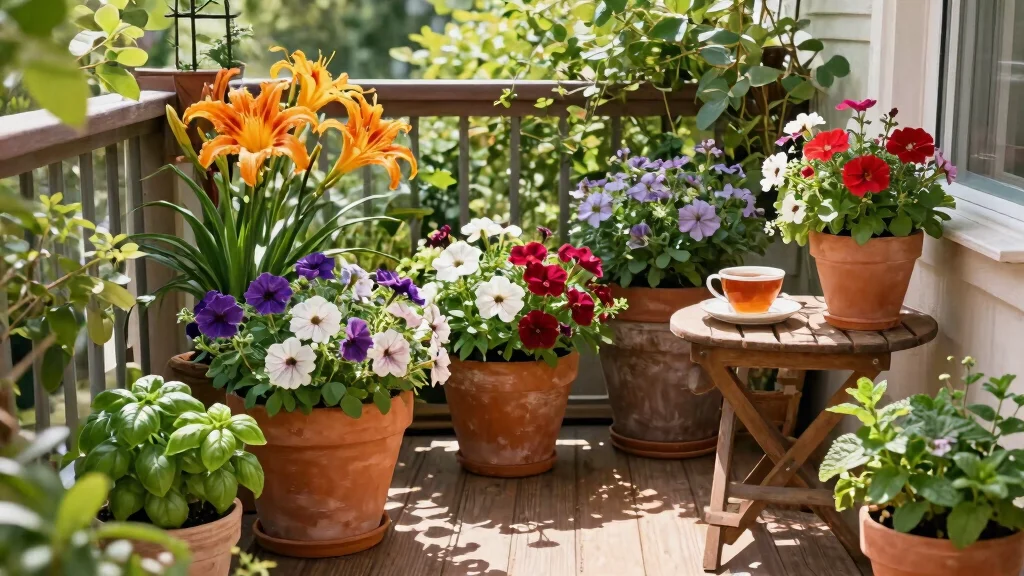
Gardening has a way of bringing joy and beauty into our lives. The thought of vibrant blooms and lush foliage can spark excitement, especially when you imagine stepping into your own little green oasis. If you’re craving a garden that stays colorful all season long without the hassle of constant replanting, you’re in the right place. This post is crafted just for you, the busy gardener or novice plant lover, who wants to enjoy the beauty of a perennial flower planter without the relentless upkeep.
Imagine a small space transformed into a stunning floral display that requires minimal effort. If you care about creating a low-maintenance garden that thrives all year, these flower planter ideas will inspire you. I’ve gathered twelve unique concepts that are not only beautiful but also practical for container gardening. You’ll discover how to curate vibrant arrangements that will brighten your surroundings while saving you time and energy.
From classic cottage vibes to whimsical fairy gardens, these ideas cater to every taste and style. You will learn how to select seasonal flowers that thrive together, create mixed container gardens, and enjoy year-round blooms that keep your space lively and inviting. Let’s dive in and turn your gardening dreams into a reality!
Key Takeaways
– Discover twelve creative flower planter ideas that require minimal maintenance and bloom throughout the season.
– Learn how to choose the right perennial flowers that complement each other, ensuring a beautiful display all year round.
– Get tips on container gardening to maximize small spaces, making your gardens more functional and appealing.
– Explore unique themes such as rustic farmhouse charm and tropical oases to suit your personal style and preferences.
– Find practical advice on mixing seasonal flowers for color shifts, ensuring your garden remains fresh and exciting across different seasons.
1. Classic Cottage Style
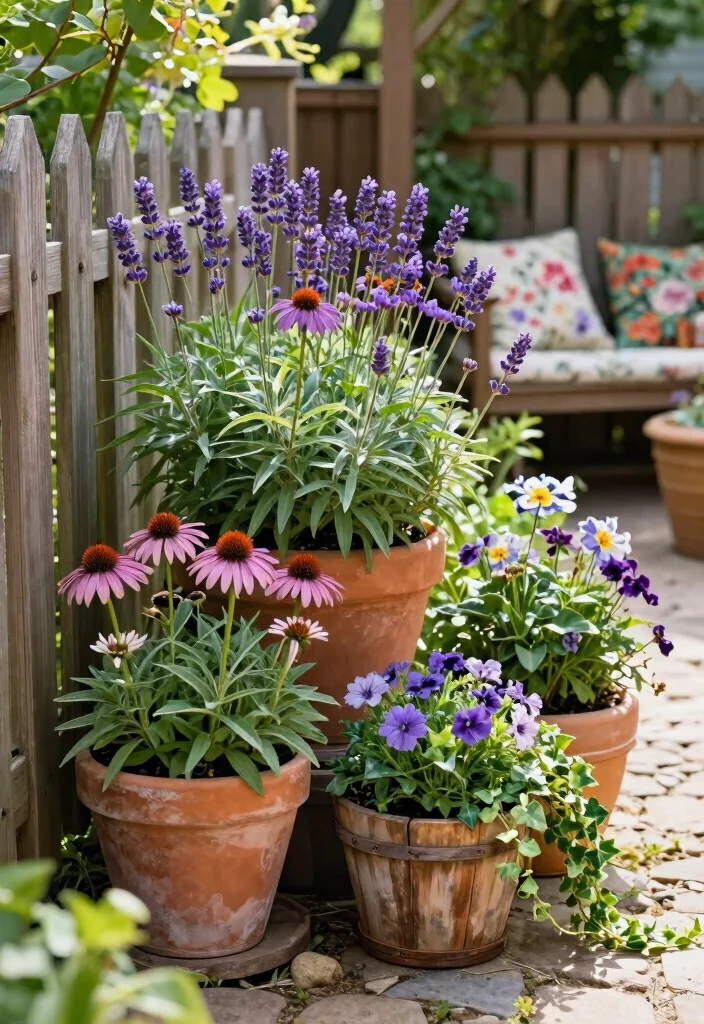
Imagine stepping into a charming cottage garden filled with delightful blooms. A classic cottage style uses flowers like Lavender, Echinacea, and Sedum to create a cozy and inviting atmosphere. These plants not only offer captivating colors but also fill the air with soothing scents, perfect for relaxation.
To enhance your garden’s appeal, arrange plants at varying heights for added dimension. Mixing in trailing vines like Ivy can add a whimsical feel, while rustic containers made from earthenware or weathered wood complete the aesthetic.
Key elements to consider:
– Combine plants of different heights for visual interest
– Add trailing vines for a playful touch
– Use rustic containers to enhance the cottage vibe
With these tips, your garden will become a serene retreat, bursting with color and fragrance throughout the seasons.

Imagine the possibilities! This accessible and inviting resource introduces you to bulbs annuals biennials perennials shrubs and vines that will perk up your space and season. Browse the 32 plants profiled in vivid detail (from asters irises and coneflowers to hydrangeas roses and wisteria); for each you’ll find beautiful photos and essential information on planting care disease and pest problems cut-flower harvesting and recommended varieties. There are also helpful chapters on summer-flowering shrubs tiny bulbs flowers for constant color throughout the season and more! |Invite birds to your garden! Discover flowering annuals perennials and shrubs that offer food and shelter to make feathered friends feel right at home.|Go native! Native plants offer many advantages such as requiring little to no maintenance or water once established. They also provide nectar for native pollinators. Read about native flower options for various parts of North America and you’ll get a feel for which ones you might like to grow.|Want to bring the joy indoors? Find out the best ways to cut and preserve your garden’s floral bounty or to dry your blossoms for long-lasting enjoyment.|Don’t have the yard space to grow flowers or just want to keep things simple? Containers to the rescue! Learn the “pot-ticulars” about sizes types and growing mediums and then get ready to pot up your prized petunias!|Nurturing flowers from seeds can be an inexpensive way to fill up a flower bed and offers more options for variety and color than you’ll likely see in transplants available locally. Choose your favorites and then discover how to get your plant babies off to a great start.|Moving to a new location can take it out of us and the same goes for plants. Whether you grow your own or purchase just-the-right flowers at your local garden center find out when they can be safely transplanted to their permanent homes.|True success starts at ground level—or even deeper. Learn about soil structure texture pH nutrients and fertilizers as well as how to improve your existing soil so that your plants grow up healthy and happy.|Water is a precious resource. Gardeners just about everywhere can face periodic drought as well as high water bills and seasonal water restrictions so water-saving practices in the garden not only make good “green” sense but also save time energy and effort. Read about ways in which you can be water-wise!|Diseases and pests like flowers too. The Flower Gardener’s Handbook provides detailed easy-to-understand information on how to identify and control a host of troublemakers. |Write it down! Take advantage of occasional journal pages to jot down important notes such as your soil’s pH seed-starting details planting dates and pest problems and treatment. Record your observations about plant performance bloom times and more to help you keep track of which varieties work well and which you’d like to switch out in the following year.|What’s an Old Farmer’s Almanac guide without a little folklore and fun? Inside you’ll learn how to interpret Latin plant names (Did you know that mirabilis means “wonderful”?) the symbolism in the language of flowers (a peony can express “happy life”) and what your birth flower is (hint: some months have two!).|Plus much more!

524 PREMIUM SEEDS – BRILLIANT COLOR, FAST GROWTH: This large pack includes 524 USA-packed, high-germination Zinnia Dahlia seeds that bloom into stunning double flowers in red, pink, orange, white, and more. Easy to grow, beginner-friendly, and perfect for bouquets, borders, and containers. Blooms in just weeks and lasts all summer!

2. Vibrant Color Schemes
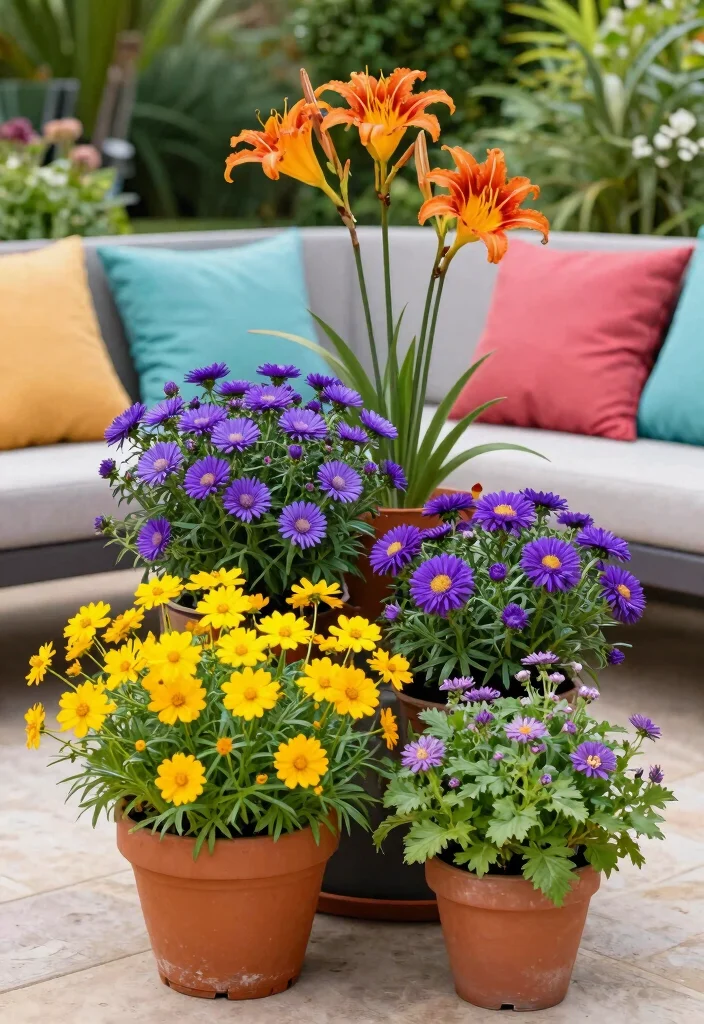
If you love bold and bright colors, a vibrant color scheme can transform any space into a lively oasis. Choose perennial blooms like Coreopsis, Daylilies, and Asters, mixing contrasting shades for a dynamic display. This colorful arrangement not only brightens your patio but also energizes your mood.
To maximize the effect, use complementary colors such as purple and yellow for stunning contrasts. Adding greenery, like ferns or ornamental grasses, creates balance and depth. Layering your plants can also add visual intrigue to your containers.
Steps for creating your vibrant display:
– Pair contrasting colors for maximum impact
– Incorporate greenery for balance
– Layer plants to create depth
This colorful approach will not only enhance your outdoor area but also uplift your spirit with its cheerful blooms throughout the season.
Bold color doesn’t overwhelm a small space—it invites you outside. Mix perennial blooms like Coreopsis, Daylilies, and Asters, using purple and yellow for striking contrasts. These vibrant color schemes turn your patio into a welcoming oasis and make flower planter ideas feel practical and fun.

Mixed Hosta Seeds:Features blue/purple/white hues with unique leaf patterns for year-round color.

VARIETY: Painted Daisy (Chrysanthemum Carinatum) seeds produce vibrant, colorful blooms with distinctive rings of various hues around the center

Premium Ranunculus Bulbs: Each pack includes fully screened, plump and healthy ranunculus bulbs with consistent size, ensuring high germination rate; These buttercup bulbs produce stunning blooms , bringing rich, vibrant mixed colors to your garden
3. Minimalist Zen Garden
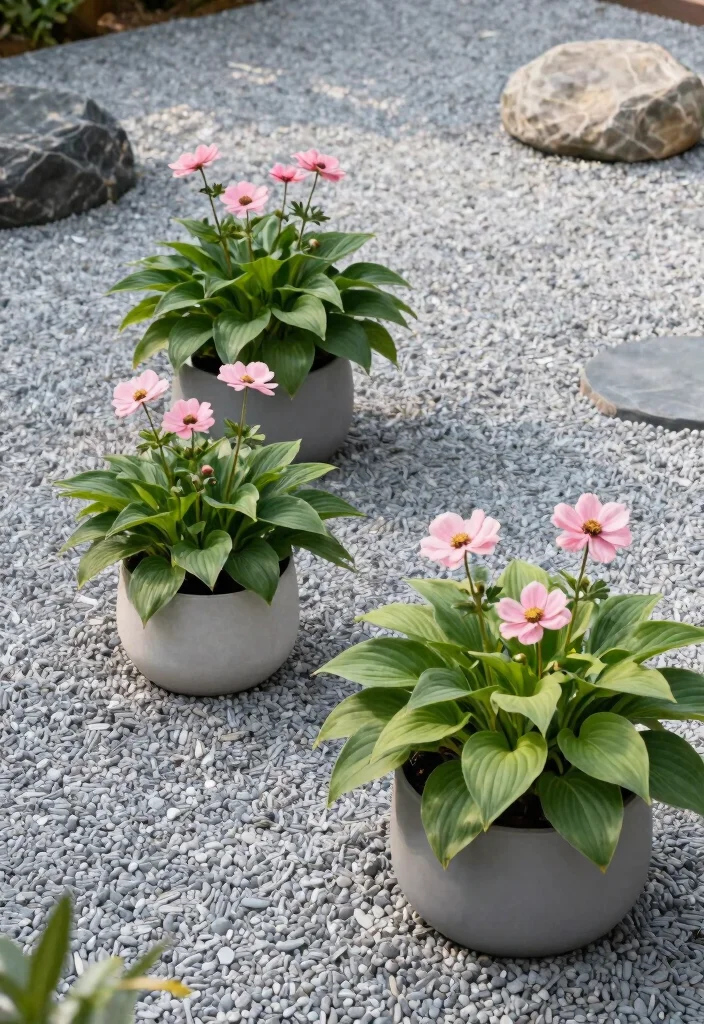
Find peace and simplicity with a minimalist zen garden that promotes tranquility. Utilize perennial plants like Japanese Anemones, Hostas, and perennial grasses in a limited color palette for a calming effect. This design invites relaxation and mindfulness in your outdoor space.
For a serene look, stick to monochromatic or subtle shades. Surround your planters with smooth stones or gravel to enhance the zen appeal. Choosing sleek, modern containers adds a chic touch to your garden.
Design ideas to consider:
– Opt for monochromatic shades for a peaceful aesthetic
– Incorporate stones or gravel for a zen effect
– Use modern containers to maintain a chic appearance
This minimalist style encourages reflection and relaxation, making it an ideal spot for unwinding with a cup of tea.

Durable Window Boxes: We use 100% high-grade Polyethylene resin in the manufacturing process, which makes our products durable, lightweight and highly shock resistant

Self watering feature keeps plants consistently hydrated and healthy, reducing maintenance while ensuring lush, thriving displays that elevate any setting with effortless beauty
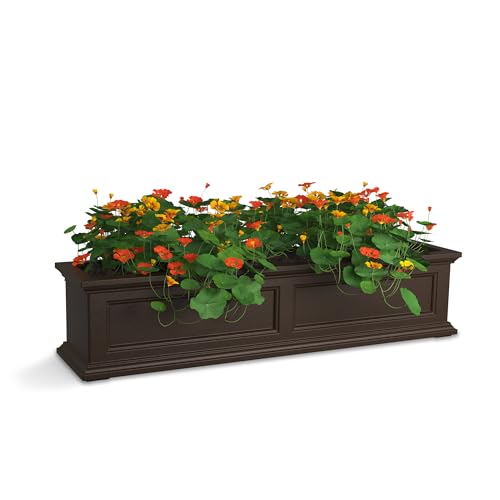
Durable Window Boxes: We use 100% high-grade Polyethylene resin in the manufacturing process - making our products durable, lightweight and highly shock resistant
4. Whimsical Fairy Garden
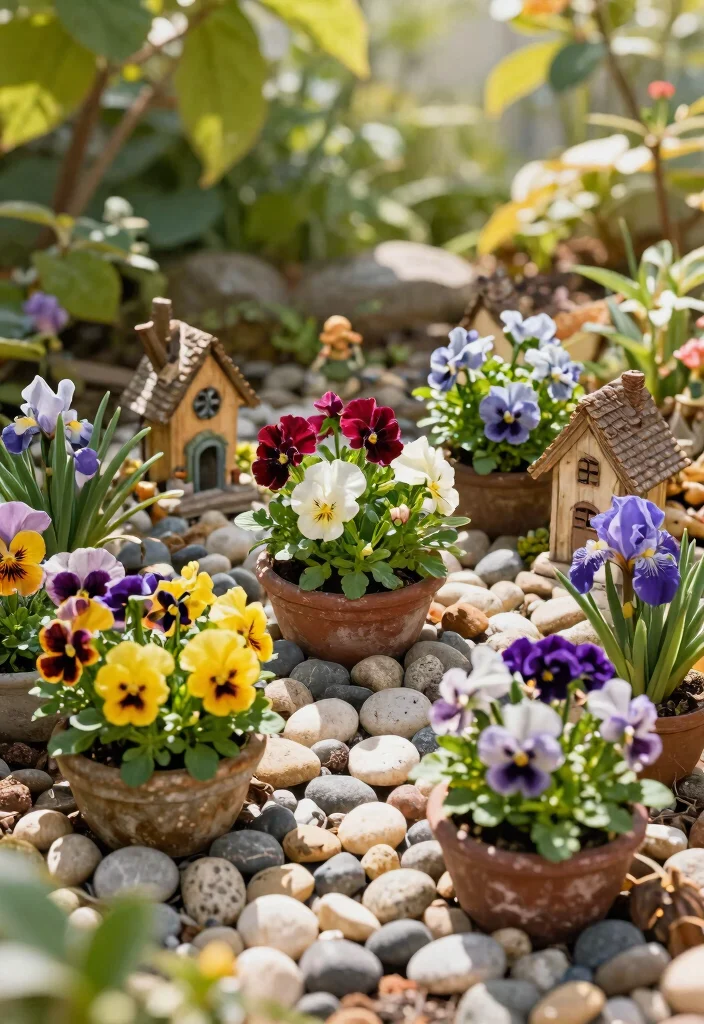
Bring a sprinkle of magic to your garden with a whimsical fairy garden design. Use small perennial plants like Creeping Thyme, Dwarf Iris, and Pansies in charming containers to create an enchanting atmosphere. This design not only sparks creativity but also invites playful imagination.
Add miniature decorations like tiny houses or figurines to enhance the magical vibe. Opt for colorful pots to add character, and vary the heights of your plants to create visual interest.
Whimsy tips to enhance your garden:
– Incorporate miniature decor for a magical touch
– Choose colorful pots to add personality
– Layer different heights for depth and intrigue
This delightful design captivates the spirit and encourages a sense of wonder, making it enjoyable for garden enthusiasts of all ages.

VINTAGE DECOR: This elegant ceramic planter combines functionality and timeless charm, making it perfect for enhancing any indoor space.

CERAMIC PLANTER WITH DRAINAGE HOLE: This premium durable ceramic planter features a practical drainage design to prevent root rot, with a 6.11-inch size that fits small to medium indoor and outdoor plants perfectly.
5. Rustic Farmhouse Charm
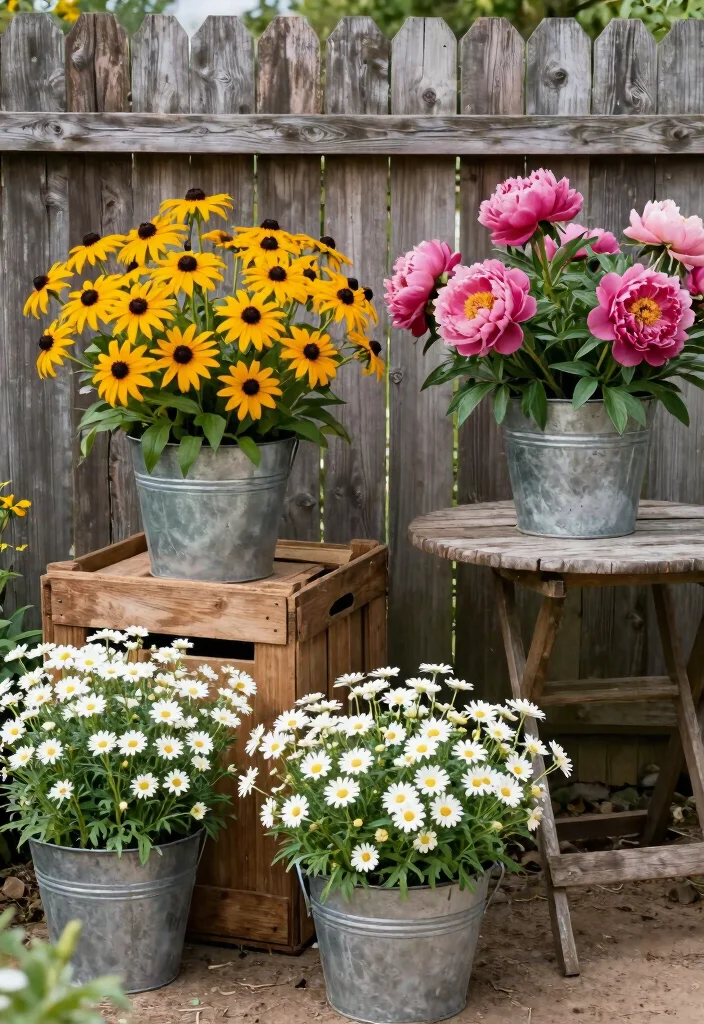
Embrace the cozy essence of a farmhouse with a rustic flower planter display. Use tough perennials such as Black-eyed Susans, Shasta Daisies, and Peonies in vintage-style containers to capture this look. The result is a warm and welcoming garden that feels like home.
Incorporate rustic elements like old wooden crates or tin buckets for an authentic touch. Pair blooming flowers with sunflowers or zinnias for that extra country charm. Arranging them in clusters creates a more natural, wildflower effect.
Farmhouse tips for your display:
– Use rustic items like crates or buckets
– Combine blooms with sunflowers for added charm
– Cluster plants for a wildflower effect
This style brings warmth and character to any area, making your garden a cozy retreat that feels like the countryside.
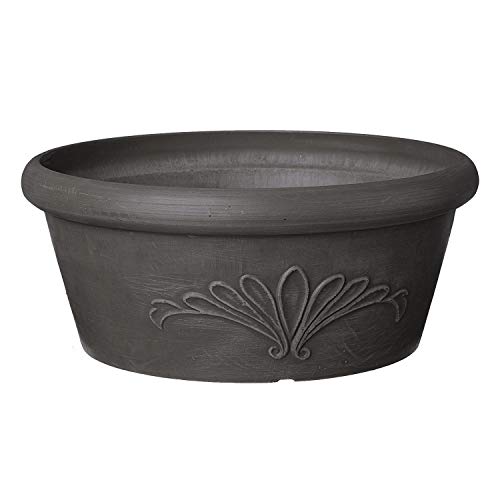
Made with Recycled Materials: A blend of recycled plastic, stone powder, and wood dust, PSW Pots are eye-catching and long-lasting for mindful gardening.


Used Book in Good Condition
6. Tropical Oasis
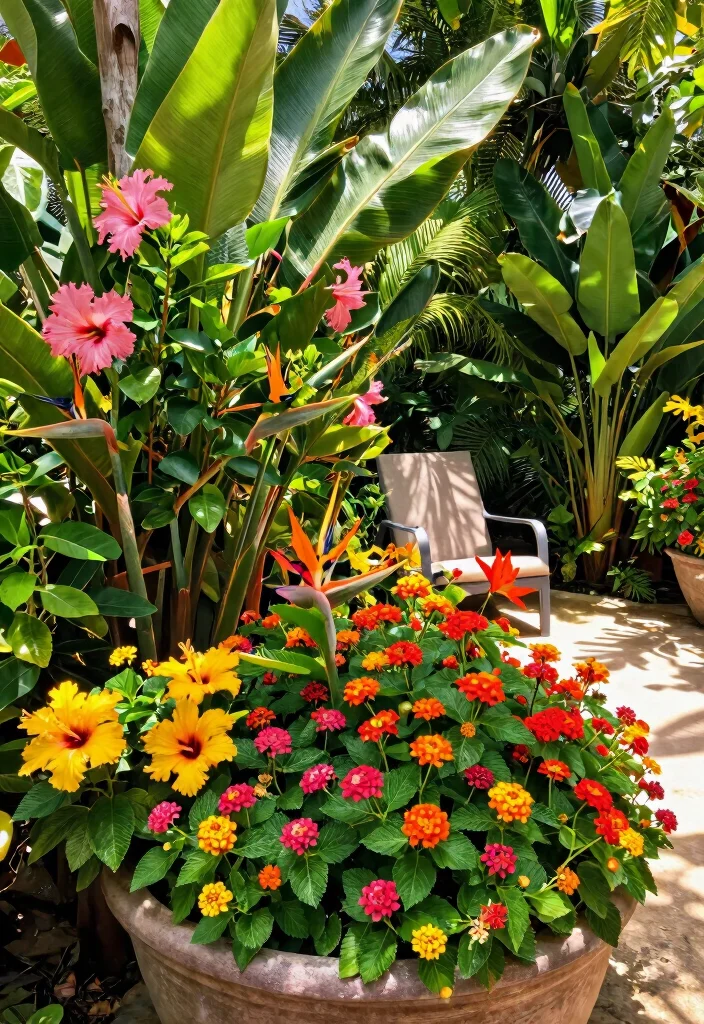
Create an exotic escape right at home with a tropical oasis filled with vibrant perennials. Choose bold flowers like Hibiscus, Bird of Paradise, and Lantana, which thrive in sunny spots and add a lively flair to your planters. This design instantly transforms your space into a lush paradise.
Opt for bright colors to make your garden pop, and mix in tropical leaves or ferns for added texture. Group pots at various heights to create a jungle-like atmosphere.
Tropical tips for your garden:
– Select bright colors for a vibrant feel
– Incorporate tropical leaves for texture
– Group pots at varied heights for depth
This approach not only creates a striking visual but also offers a refreshing getaway right in your backyard.

High-Value Wildflower: 10,000 Black eyed susan seeds perennial (tender) deliver masses of yellow daisy blooms for pollinator gardens. Great wildflower seeds for beds, borders, containers, and meadows, USDA 1-12.

[+] Popular bulbs for the home gardener

7. Vertical Planter Garden
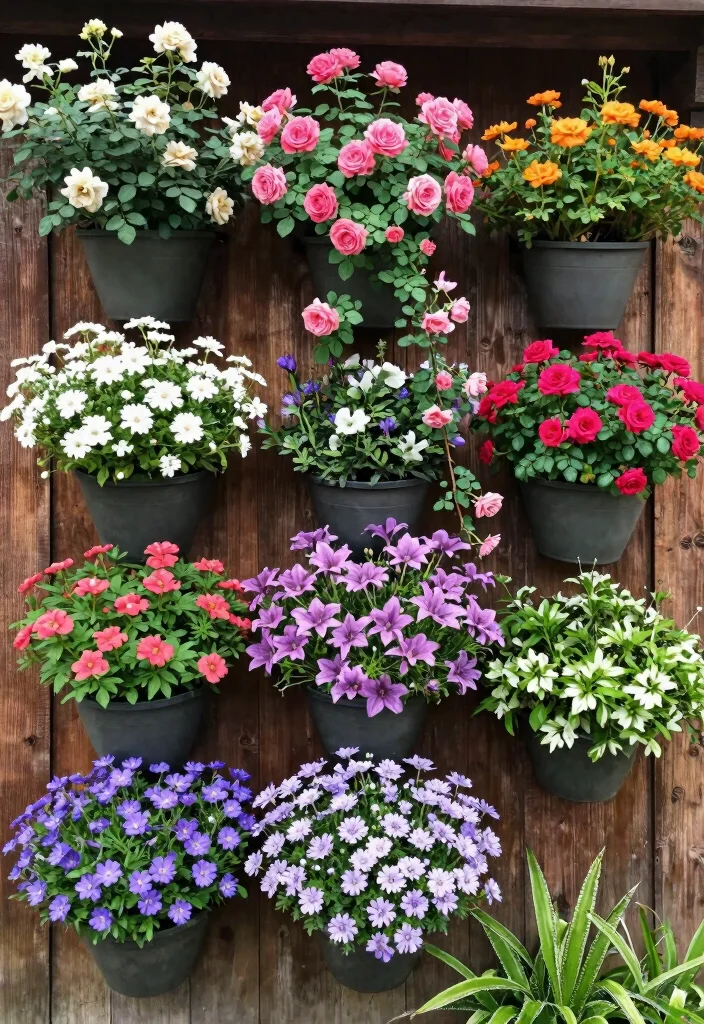
Make the most of limited space with vertical planters showcasing cascading flowers. Choose perennials like Climbing Roses, Clematis, and Sweet Alyssum to create a beautiful display without taking up ground space. This style adds dimensions and layers to your garden.
Use wall-mounted pots or trellises to achieve visual interest and choose trailing varieties to create a stunning cascade. Mixing textures and colors keeps your vertical garden engaging and lively.
Vertical gardening tips:
– Incorporate wall-mounted pots for space-saving
– Choose trailing plants for stunning cascades
– Mix textures and colors for visual intrigue
This technique not only saves space but also enhances your garden’s natural beauty, making it a captivating focal point.
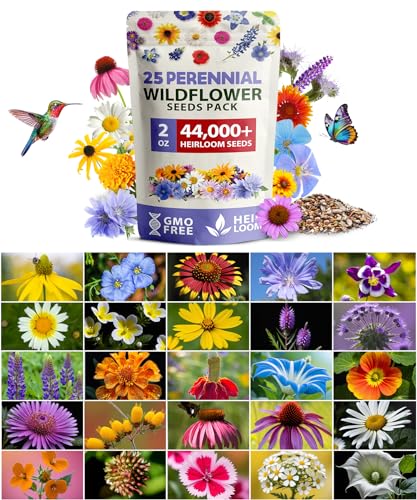
Pure Seed Quality: Two ounces of premium wildflower seeds with high germination rate; Covers 250 square feet with vibrant perennial wildflowers; Creates stunning butterfly garden with lasting blooms; Perfect for pollinator gardens


100% Pure, Non-GMO Seeds - No fillers, favorites only! Includes 19 easy-to-grow species: Siberian Wallflower, Shasta Daisy, Lance Leaf Coreopsis, Sweet William, Foxglove, Purple Coneflower, Blanket Flower, Blue Flax, Perennial Lupine, Mexican Hat, Gloriosa Daisy, Black Eyed Susan, Candytuft, Gayfeather/Blazing Star, Maltese Cross
Ongoing Maintenance & Care Guide
Maintenance Schedule:
Daily/Weekly Tasks:
– Watering: Check your flower planters daily, especially in hot weather. Ensure the soil is moist but not soggy. Estimate 15 minutes each session.
– Deadheading: Remove spent flowers weekly to encourage new blooms. This quick task takes about 10 minutes.
– Weeding: Look for weeds around your planters and remove them. Spend around 10 minutes each week keeping the area tidy.
– Pest Inspection: Check for signs of pests weekly. Look under leaves and on soil surfaces. This should take about 5 minutes.
Monthly/Seasonal Tasks:
– Fertilizing: Every month, apply a balanced fertilizer to promote healthy growth. This will take about 20 minutes to mix and apply properly.
– Soil Check: Every six months, check soil quality. If it appears compacted or depleted, plan to refresh it. This may take about 30 minutes.
– Pruning: Trim back any overgrown plants monthly to maintain shape and health. Expect this to take around 30 minutes.
– Repotting: Every spring, evaluate if your plants need more space. If so, repot them into a slightly larger container. Set aside about 45 minutes for this.
– Seasonal Swap: Change out any seasonal plants based on the time of year, adjusting combinations as needed. This can take around an hour.
Maintenance Summary Table:
| Task | Frequency | Difficulty | Time Needed |
|————————–|—————–|————-|—————|
| Watering | Daily | Easy | 15 minutes |
| Deadheading | Weekly | Easy | 10 minutes |
| Weeding | Weekly | Easy | 10 minutes |
| Pest Inspection | Weekly | Easy | 5 minutes |
| Fertilizing | Monthly | Easy | 20 minutes |
| Soil Check | Biannually | Moderate | 30 minutes |
| Pruning | Monthly | Easy | 30 minutes |
| Repotting | Annually (Spring)| Moderate | 45 minutes |
| Seasonal Swap | Seasonal | Moderate | 1 hour |
Common Issues to Watch For:
⚠️ Yellowing Leaves: Check for underwatering or nutrient deficiency. Yellowing can indicate that your plants need more water or food.
⚠️ Wilting: This may suggest your plants are not getting enough water or are root-bound. Give them a good soak and check the soil quality.
⚠️ Brittle Leaves: If leaves are crisp and breaking, they might be getting too much sun or not enough water. Adjust their placement or watering schedule.
⚠️ Pest Infestation: Look for holes in leaves or visible insects. Treat them immediately to prevent spreading. Use organic insecticides or hand-removal techniques.
⚠️ Mold or Fungus: If you notice any mold on the soil surface, reduce watering and increase airflow around the plants. This helps prevent fungal diseases.
Care Tips:
💡 Mulching: Add a layer of mulch around your planters. This helps retain moisture and suppress weeds. Aim for about 2-3 inches thick.
💡 Choose the Right Plants: Pick perennials suited for your climate zone. This will ensure they thrive and need less care year-round.
💡 Rotate Crops: If using edibles, rotate the plants each season. This helps prevent soil depletion and keeps pests away.
💡 Group Planters: Place your planters together. This not only creates a beautiful display but also helps maintain humidity and makes watering easier.
💡 Observe Daily: Spend a few minutes each day simply observing your planters. This helps you catch any issues early and enjoy your gardening efforts.

Durable Window Boxes: We use 100% high-grade Polyethylene resin in the manufacturing process, which makes our products durable, lightweight and highly shock resistant

REMOVABLE DRAINAGE PLUGS: Drainage holes come with removable plugs, so you choose the setup. Leave them open outdoors to let excess water escape, or close them indoors to protect floors and shelves. One planter for porch, patio or living room.

Durable Window Boxes: We use 100% high-grade Polyethylene resin in the manufacturing process - making our products durable, lightweight and highly shock resistant
8. Edible Flower Planters
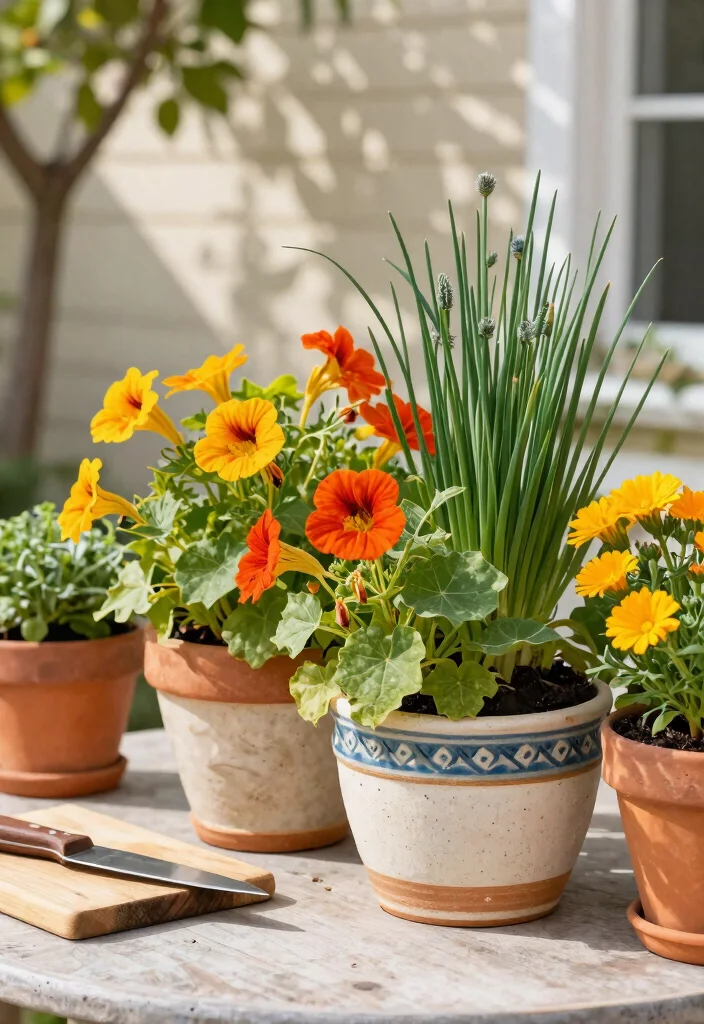
Combine beauty and functionality with flower planters featuring edible blooms. Use plants like Nasturtiums, Calendula, and Chives that not only beautify your garden but also enhance your dishes. This approach adds both color and flavor to your culinary creations.
Select flowers that thrive in your region and ensure they are safe to eat. Creating distinct sections for herbs and flowers makes harvesting easy. Choose decorative pots that complement your home’s style.
Edible flower tips:
– Pick flowers that thrive in your climate
– Create sections for easy harvesting
– Use decorative pots that match your decor
This unique combination allows you to enjoy fresh flavors while maintaining a vibrant and aromatic garden.

ELEGANT DESIGN: These ceramic planters for indoor plants feature a timeless look that complements any décor, making them perfect flower pots for indoor plants.


VINTAGE TUSCAN STYLE DECOR: Inspired by Tuscan countryside aesthetics, this indoor planter adds a touch of rustic elegance to any room. Its vintage, shabby chic finish perfectly complements a variety of home decor styles, from farmhouse to bohemian.
9. Bold Monochrome
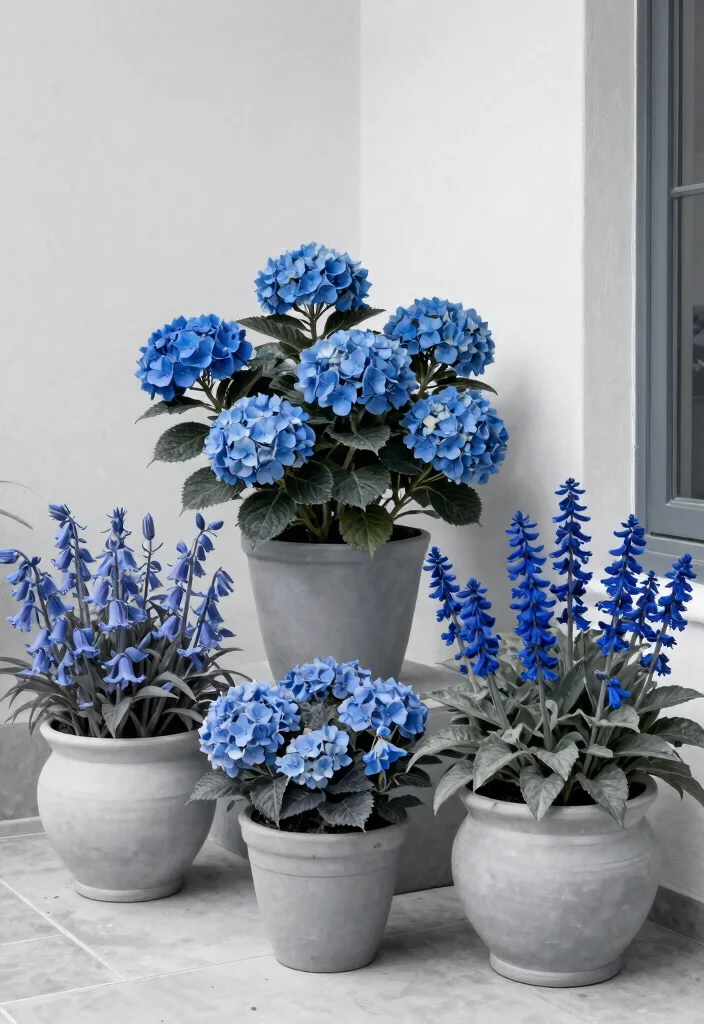
For a striking and modern look, consider a bold monochrome flower planter arrangement. Select perennials in different shades of a single color, such as various hues of blue with Hydrangeas, Bluebells, and Salvia. This design creates a cohesive and stylish garden aesthetic.
Mix in different textures alongside the blooms for added depth and use planters in complementary shades to enhance the overall look. Arranging plants in clusters emphasizes each flower’s beauty.
Monochrome tips for your arrangement:
– Mix textures for added depth
– Use complementary planters to enhance visual appeal
– Cluster plants for emphasis
This chic design not only makes a bold statement but also creates a harmonious look that elevates your garden theme.
Bold monochrome is a practical game changer in small spaces. Pick one color family, mix textures, and pair planters in complementary shades. With blues from Hydrangeas, Bluebells, perennials, and Salvia, your flower planter ideas become chic and cohesive.

Made with Recycled Materials: A blend of recycled plastic, stone powder, and wood dust, PSW Pots are eye-catching and long-lasting for mindful gardening.
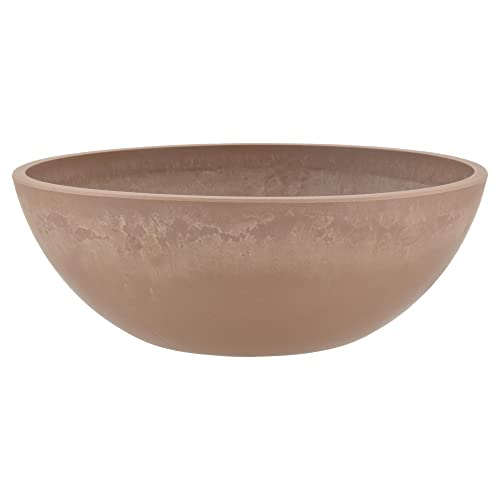
Made with Recycled Materials: A blend of recycled plastic, stone powder, and wood dust, PSW Pots are eye-catching and long-lasting for mindful gardening.

10. Colorful Succulent Planters
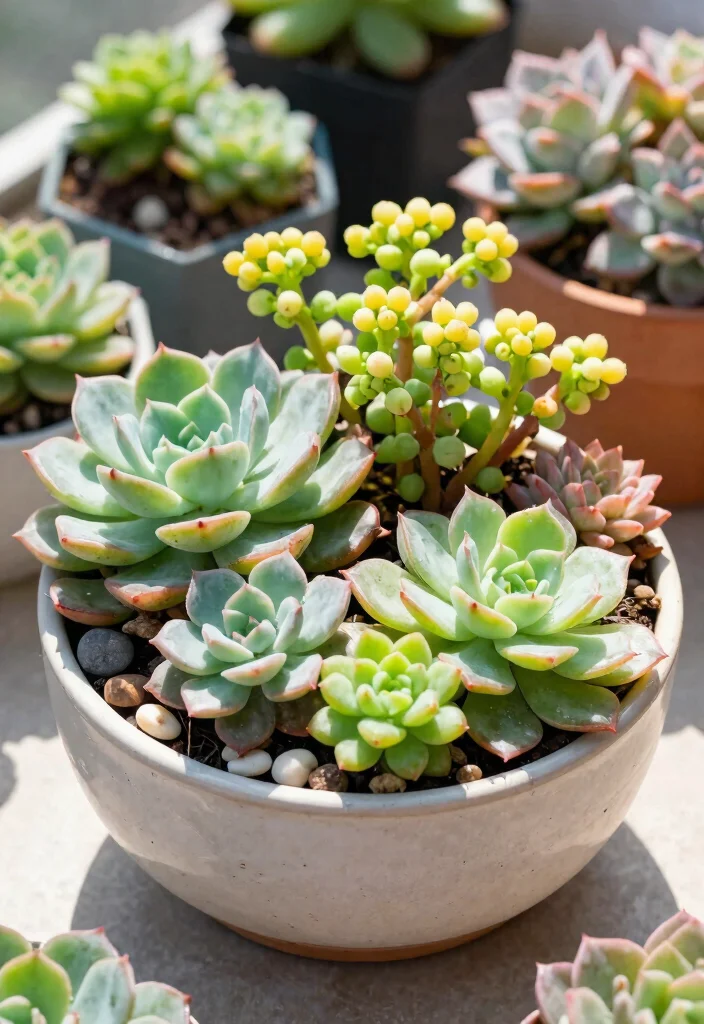
Combine the beauty of flowers with the hardiness of succulents for a low-maintenance planter that stays colorful year-round. Pair flowering succulents like Echeveria and Sedum with tough perennials for a varied and stunning look. This combination is perfect for busy gardeners.
Ensure your containers have good drainage to keep plants healthy, and consider mixing in colorful pebbles or sand for added texture. Grouping pots in varying shapes creates visual interest.
Succulent planter tips:
– Choose containers with drainage for healthy plants
– Mix in pebbles for added texture
– Group pots in different shapes for interest
This arrangement requires minimal care yet offers stunning visual appeal, making it an ideal choice for any busy gardener.
11. Seasonal Color Shifts
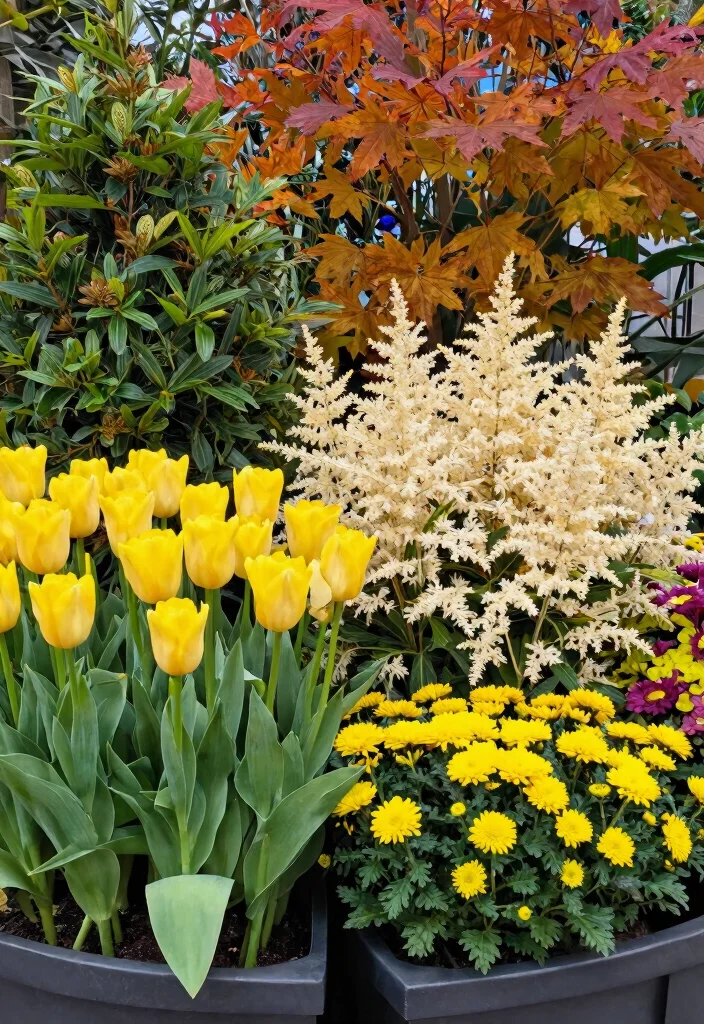
Make the most of seasonal changes by selecting perennials that bloom at different times throughout the year. Combine plants like Tulips, Astilbe, and Chrysanthemums for a continuous display of color that evolves with the seasons. This planning creates a dynamic garden experience.
Research bloom times to ensure a cohesive arrangement, and mix textures and heights to keep things interesting. You can also enhance your planters with seasonal decorations for celebrations.
Seasonal tips for your garden:
– Research bloom times for cohesive arrangements
– Mix heights for added interest
– Use seasonal decor to celebrate holidays
With thoughtful planning, your flower planters can beautifully transition from one season to the next, ensuring your garden is always vibrant and inviting.
Seasonal color shifts happen when perennials bloom at different times. Plant Tulips, Astilbe, and Chrysanthemums for a continuous display that evolves with the seasons. Pro tip: check bloom times, mix textures and heights, and tailor your flower planter ideas to your space.
12. Mixed Container Gardens
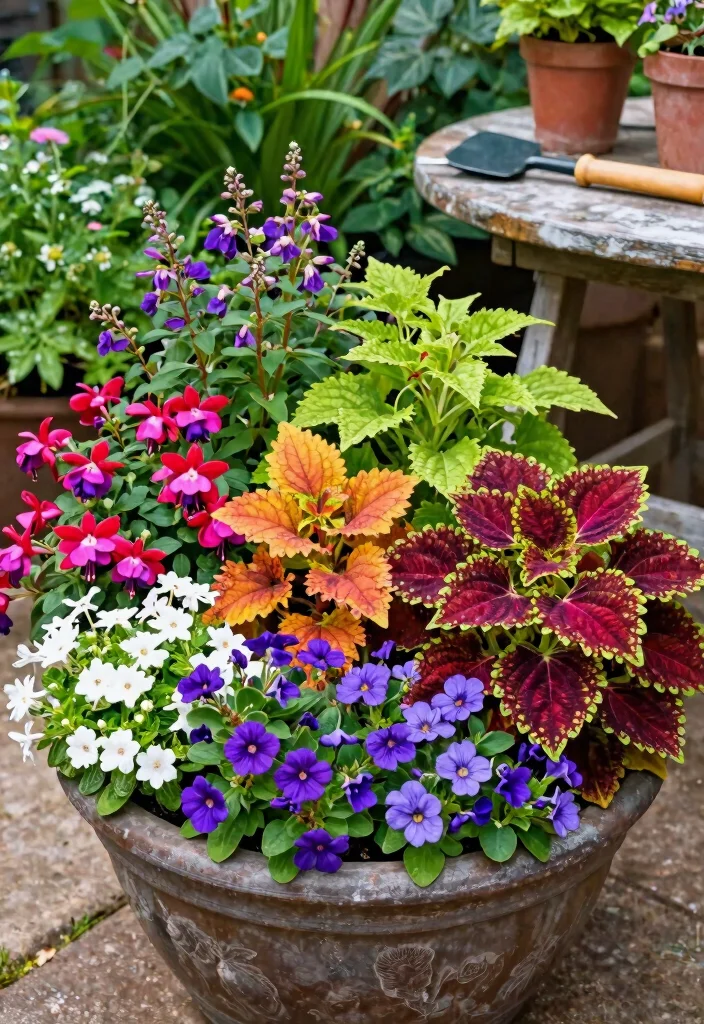
Create a vibrant tapestry of colors and textures with mixed container gardens featuring both flowers and foliage plants. Combine perennials like Fuchsia, Lobelia, and colorful foliage such as Coleus for a diverse and engaging display. This variety makes your garden visually exciting.
Use plants of varying heights to draw the eye and choose colors that complement and contrast for a lively feel. Regularly pruning your plants keeps the arrangement looking fresh and tidy.
Mixing tips for your container gardens:
– Use varying heights to attract attention
– Select colors that complement and contrast
– Prune regularly for a neat appearance
This diverse approach not only makes your planters interesting but also provides a unique visual experience as plants bloom and grow throughout the seasons.
Conclusion
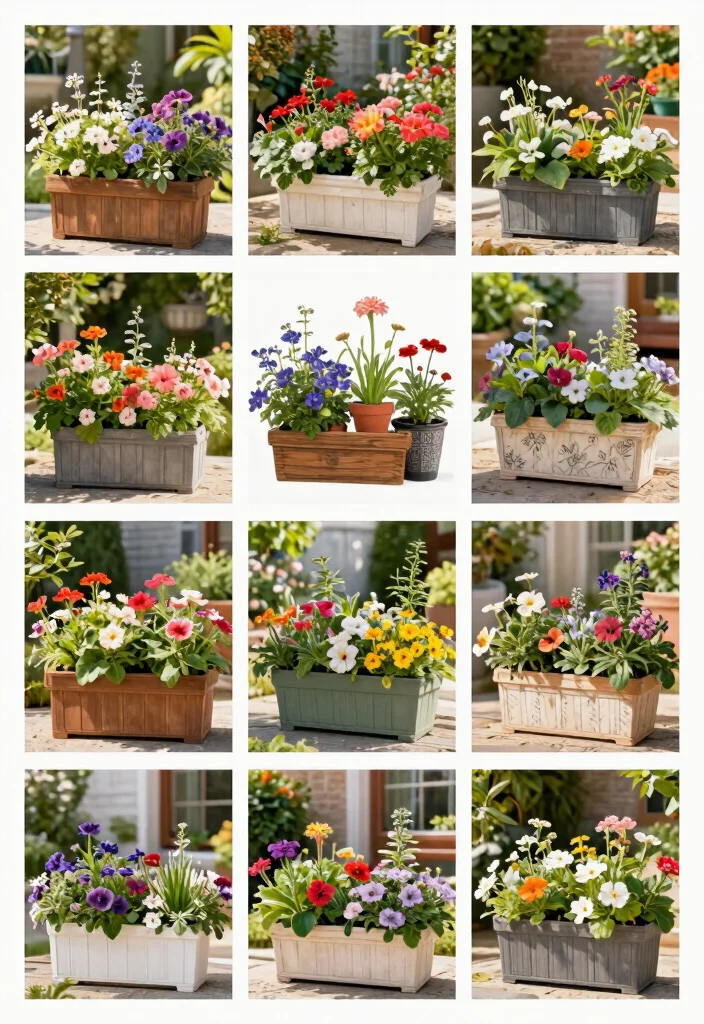
With these 12 flower planter ideas, you can turn any small space into a blooming paradise that lasts all year. Embracing perennial plants not only ensures your garden is low-maintenance but also rewards you with stunning visuals that enliven your environment.
Let your creativity flow and experiment with these diverse styles, making your garden a personal sanctuary where beauty thrives and joy blooms.
Note: We aim to provide accurate product links, but some may occasionally expire or become unavailable. If this happens, please search directly on Amazon for the product or a suitable alternative.
This post contains Amazon affiliate links, meaning we may earn a small commission if you purchase through our links, at no extra cost to you.
Frequently Asked Questions
What are the best flower planter ideas for small spaces that bloom all season without replanting?
To maximize bloom in small spaces, start with perennial flower planters that offer staggered bloom times. Choose 2–3 compact perennials plus a contrasting foliage plant for year-round interest.
Plant in layers (tall in the center or back, shorter at the edges) and group by sun needs to simplify care. Use a high-quality potting mix in a drainage-friendly container, water consistently, and top with mulch to reduce evaporation.
Include a few seasonal flowers as accents that bloom at different times for continuous color. With this approach you’ll enjoy year-round blooms without replanting.
How can I choose seasonal flowers for a low-maintenance flower planter that blooms year-round?
Look for a backbone of hardy perennial flower planters plus reliable seasonal flowers that come back each year or self-seed where appropriate.
Pick varieties that suit your climate, sun exposure, and water needs, and emphasize foliage for off-season structure.
Keep maintenance low with well-draining soil and containers, plus a simple watering routine or a drip irrigation setup. For extra ease, apply container gardening tips such as self-watering planters or moisture-retentive potting mix.
Plan color changes across the seasons so your flower planter ideas stay eye-catching with year-round blooms.
What container gardening tips help create perennial flower planters that bloom throughout the year in a small space?
Start with the right containers: sturdy, lightweight pots with drainage holes sized for your plants.
Use a high-quality potting mix and mulch to retain moisture but avoid soggy soil.
Position containers to match sun needs and consider self-watering or drip irrigation to cut maintenance.
Group plants with similar water needs to simplify care, and use vertical space or modular planters to maximize small spaces.
With good drainage, regular deadheading, and a little mulch, your planters will stay vibrant across seasons.
Which plant combinations work best for low-maintenance, year-round color in a single planter?
Try a triad like Echinacea purpurea for bright summer color, Salvia nemorosa for long-lasting mid-season blooms, and Sedum or Helleborus for fall and winter interest.
Add evergreen foliage such as Hosta or Heuchera to keep texture when blooms pause.
For shade, swap in Astilbe and Ajuga. The mix should be drought-tolerant, disease-resistant, and grouped by sun exposure—this keeps year-round blooms with minimal fuss.
How do I maintain year-round blooms with minimal replanting?
Build a reliable backbone of perennials that repeat bloom across seasons and avoid large replanting tasks.
Deadhead regularly and divide crowded clumps every 2–3 years to keep plants vigorous.
Feed lightly with a slow-release fertilizer in spring and again mid-summer if needed.
Mulch to conserve moisture and suppress weeds, and protect containers in winter if you’re in a frost-prone area.
With these container gardening tips and sensible watering, you’ll enjoy year-round blooms with little replanting.
Related Topics
flower planter ideas
perennial flowers
low-maintenance gardening
container gardening tips
seasonal blooms
small space gardening
year-round flowers
easy gardening
urban gardening
colorful planters
drought-tolerant plants
beginner friendly